Ayatollah Reza Ramezani Speaks on Life, Self-Knowledge and Irans Strength at Muharram Mourning Ceremony
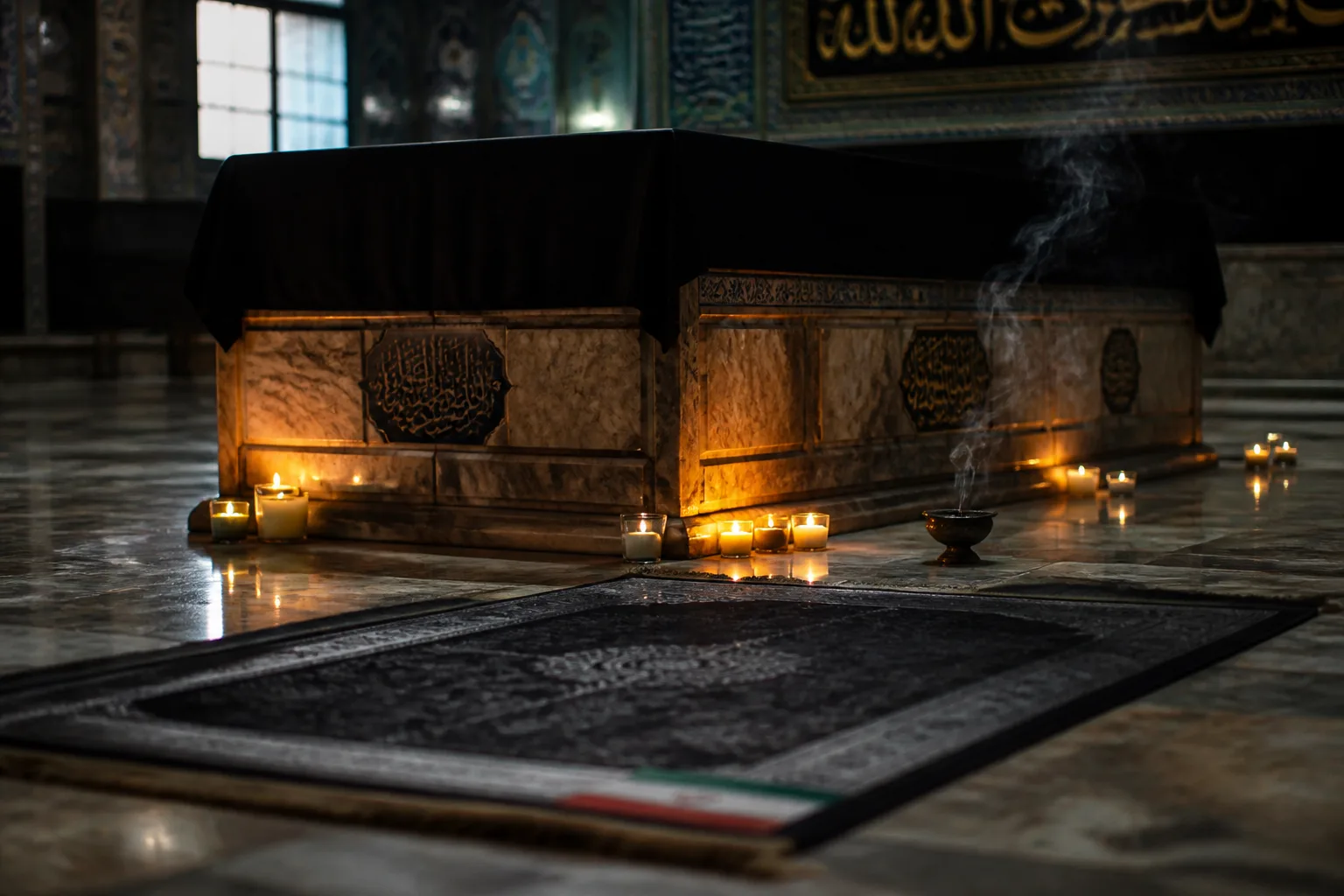
On the morning of the seventh day of Muharram, the ancient streets of Qom gathered around a solemn stage to hear a message that blended spiritual reflection with national resolve. Ayatollah Reza Ramezani, Secretary‑General of the Ahl al‑Bayt World Assembly, addressed the mourners at a ceremony that commemorates the martyrdom of Husayn ibn Ali at Karbala. According to the AhlulBayt News Agency (ABNA), his speech turned the traditional lament into a call for self‑knowledge and a reminder of Iran’s enduring strength.
Ramezani opened by stressing that a true grasp of the Islamic way of life begins with an understanding of the Quranic and Ahl al‑Bayt view on life and death. He declared that humans are a “divine phenomenon and a great capital,” and that God has provided the means for human growth and excellence. The Ayatollah then turned to the heart of his message: the most essential knowledge for any person is knowledge of oneself. He cited Islamic tradition, which holds self‑knowledge as the highest form of wisdom, because the value of knowledge depends on the value of its subject.
He highlighted the role of prophets and divine saints as teachers who help people discover their true selves. The Holy Prophet Muhammad and the Ahl al‑Bayt, he said, serve as exemplary models of a life that fully utilizes human capacities.
To illustrate his points, Ramezani outlined four fundamental relationships that shape human existence: 1. Relationship with God – a deeper connection with the divine leads to a more divine human life. He noted that many saints have devoted themselves entirely to introducing God. 2. Relationship with oneself – many people mistake their outward appearance for their true self. Spiritual and heavenly assets, he said, endure beyond death. 3. Relationship with nature – nature displays God’s signs; observing the sky, earth, seas, plants and animals leads to a deeper knowledge of God. He urged environmental stewardship. 4. Relationship with fellow humans – he criticized colonialist and hegemonic attitudes that exploit people, contrasting them with the Islamic ethic of service, guidance and help.
In a critique of contemporary geopolitics, Ramezani condemned hegemonic thinking and the crimes of the Zionist regime, arguing that such thinking treats people as tools for a superior race, resulting in oppression, war and massacres, citing Gaza as an example.
He then turned to the Iranian nation, stating that enemies believe they can subdue Iran through threats and pressure. Ramezani said that Iran’s strength derives from the culture of Ashura and the doctrine of Wilayah, and that the nation has shown it will not surrender to external pressures.
The Ayatollah paid tribute to Imam Khomeini, Martyr Ayatollah Raisi, Martyr Sayed Hassan Nasrallah, and other figures he described as having preserved the dignity and independence of the Islamic Ummah through sacrifice. He concluded that adherence to Wilayah and the teachings of the Ahl al‑Bayt preserves the dignity and strength of Islamic society, and that societies committed to this path will enjoy power and steadfastness.
Ramezani’s remarks reflect his longstanding role as a religious and political commentator. He has served as a representative of Gilan in the Assembly of Experts since 2006 and has led the Ahl al‑Bayt World Assembly, an international non‑governmental organization founded in 1990 under the supervision of Supreme Leader Ali Khamenei.
The speech was delivered in the context of the annual Muharram mourning, a period of reflection for Shia Muslims worldwide. Ramezani’s emphasis on self‑knowledge, environmental stewardship, and the resilience of the Iranian nation aligns with the broader themes of the Ashura commemorations.