Qatars Prime Minister Highlights US-Iran Memorandum as Key to Ending War, Calls for Regional Cooperation
On 22 June 2026, Qatar’s Prime Minister Sheikh Mohammed bin Abdulrahman bin Jassim Al Thani addressed the nation in a televised statement. He described the United States‑Iran memorandum of understanding (MoU) signed the previous day as a platform for halting the war that had raged across the Middle East since 28 February 2026. The MoU, signed by U.S. President Donald Trump and Iranian President Masoud Pezeshkian, formally ended the conflict and lifted the dual naval blockade that had been imposed on Iranian ports.
The Prime Minister emphasized that the MoU provides an “important framework for negotiations” and that, despite remaining disagreements, both sides have shown a willingness to find a solution. He highlighted key elements of the agreement, including the reopening of the Strait of Hormuz, the resumption of nuclear talks, and the establishment of mechanisms to keep the waterway open, prevent the exchange of fire, and de‑mine the strait.
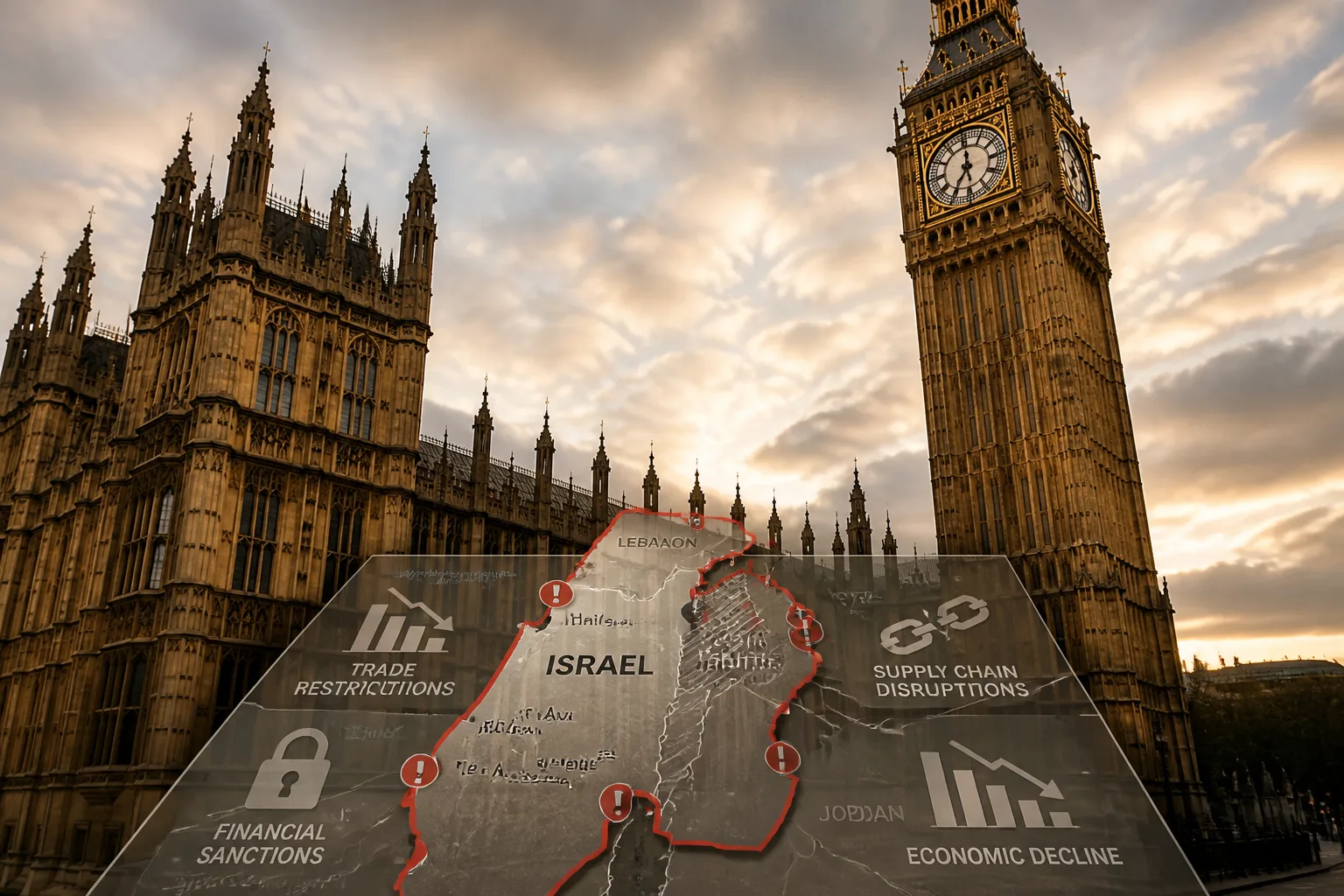
In the same address, Sheikh Mohammed criticized Iran’s recent actions toward other Gulf states. He urged Tehran to cooperate with its neighbors on the basis of mutual trust and warned that Iran’s behaviour could undermine regional stability. The Prime Minister also condemned Israel’s military operations in Lebanon, stating that the killing of civilians under a cease‑fire was unacceptable and calling for an end to occupation and respect for Lebanon’s sovereignty. He singled out Israeli Prime Minister Benjamin Netanyahu as a primary source of tension in the region.
The U.S. side of the negotiations has been led publicly by Vice President J.D. Vance. During a press conference at the Bürgenstock hotel in Switzerland on 17 June, Vance announced that Iran had agreed to invite International Atomic Energy Agency (IAEA) inspectors back into the country. He said that talks with IAEA Director General Rafael Grossi would begin that day and that the U.S. had established three key mechanisms: keeping the Strait of Hormuz open, preventing the exchange of fire, and de‑mining the strait.
However, Iranian officials have disputed the extent of progress. In an interview reported on 22 June, an Iranian source said that although the naval blockade had been lifted, the status of the Strait of Hormuz remained effectively the same as during the blockade. The source added that no formal negotiations had taken place regarding the nuclear file or talks with the IAEA.
The war between the United States, Israel, and Iran had begun on 28 February 2026 after a series of U.S. and Israeli airstrikes targeting Iranian military sites. Iran responded with missile and drone attacks on Israel, U.S. bases, and several Gulf states, and it closed the Strait of Hormuz, disrupting global oil and gas flows. The U.S. imposed a naval blockade on Iranian ports on 13 April 2026, which was lifted only after the MoU was signed.
The reopening of the Strait of Hormuz is significant for energy security. The waterway carries about 25 % of global seaborne oil trade and 20 % of liquefied natural gas shipments. Its closure had caused a sharp rise in oil prices and forced tanker fleets to reroute. The MoU’s provisions for keeping the strait open and de‑mining it are expected to restore normal shipping lanes.
The nuclear aspect of the agreement remains a key point of contention. While the U.S. claims that Iran has agreed to allow IAEA inspections, Iranian officials have denied that any formal nuclear negotiations have taken place. The IAEA has not yet confirmed the resumption of inspections.
The diplomatic fallout from the war and the MoU has affected several Gulf states. Qatar, which has historically maintained diplomatic ties with both Iran and the United States, has positioned itself as a neutral mediator. The Prime Minister’s remarks reflect Qatar’s broader strategy of promoting dialogue while condemning actions that threaten regional stability.
In summary, the United States‑Iran memorandum of understanding, signed on 17 June 2026, formally ended the war that had begun in February and lifted the naval blockade on Iranian ports. The agreement includes provisions for reopening the Strait of Hormuz, resuming nuclear negotiations, and establishing security mechanisms for the waterway. While the U.S. and Qatar emphasize progress, Iranian officials remain skeptical about the extent of the agreement’s implementation.