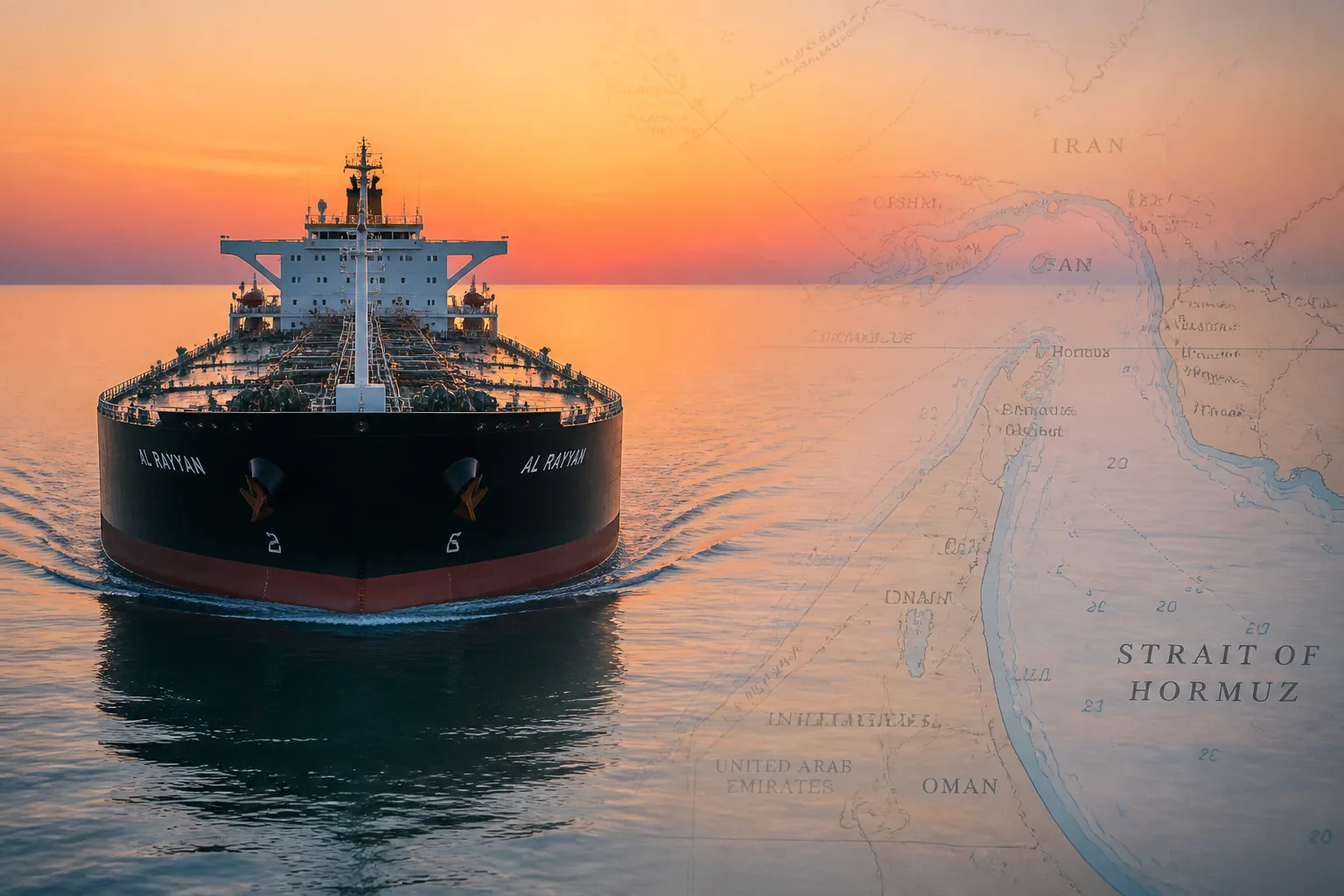
US and Iran Reach 60-Day Ceasefire, Strait of Hormuz Reopens After Six-Month War
On 14 June 2026, Washington and Tehran signed a memorandum of understanding that extends the existing ceasefire for another 60 days and lifts the blockade of the Strait of Hormuz, the world’s most critical oil chokepoint. The accord, brokered by Pakistan and Qatar, ends a six‑month confrontation that began on 28 February 2026 when the United States and Israel launched a joint airstrike campaign against Iranian military and nuclear sites.
The conflict erupted after U.S. and Israeli forces struck key Iranian facilities—including the Natanz and Fordow enrichment plants—and carried out an assassination of Iranian Supreme Leader Ali Khamenei. Iran retaliated with missile and drone strikes on Israel, U.S. bases in the Gulf, and several Arab states. The Iranian blockade of the Strait, coupled with Israeli attacks on Iranian oil infrastructure, halted the passage of roughly 25 % of global seaborne oil and 20 % of LNG, sending energy prices soaring.
According to the U.S. Department of Defense, U.S. naval forces maintained a blockade of Iranian ports until the agreement was signed, and the U.S. lifted its own blockade of the Strait, enabling the removal of mines laid during the conflict. The International Energy Agency’s latest report estimates that the strait’s closure cost the global economy about $30 billion in lost oil throughput.
The memorandum does not resolve the underlying disputes. Instead, it creates a 60‑day window to negotiate limits on Iran’s nuclear program, the disposal of its highly enriched uranium, sanctions relief, and the release of frozen Iranian assets. The U.S. and Iran will also discuss re‑introducing IAEA inspections. Iranian officials have expressed caution, and the Iranian negotiation team has not yet agreed to allow nuclear inspectors into the country.
The deal was signed by President Donald Trump in the United States and President Masoud Pezeshkian in Iran. Trump described the agreement as a “peace deal” that would prevent an economic catastrophe, while Iranian officials warned that the terms were still under review.
The reopening of the Strait of Hormuz carries immediate economic implications. Oil prices fell by 10 % in the first week after the agreement, and the EIA reported a 6‑million‑barrel reduction in the strait’s quarterly loss of throughput. Gulf states that rely on the waterway for their oil exports—Saudi Arabia, Kuwait, and Bahrain—issued statements welcoming the resumption of shipping.
Beyond energy markets, the war’s toll was felt worldwide. Airlines filed for bankruptcy amid soaring fuel costs, and tourism in the Middle East suffered a 20 % decline in the months before the ceasefire. The United Nations Office for the Coordination of Humanitarian Affairs noted that the conflict displaced over 1.5 million people in the region.
In the United States, the war prompted a review of the Selective Service System. While the draft remains in place for men aged 18 to 25, the 2026 National Defense Authorization Act introduced an automatic registration mechanism using federal databases.
The ceasefire also reverberates diplomatically. Israel’s Prime Minister Benjamin Netanyahu maintains a hard‑line stance, insisting that Israel must continue to defend itself against Iranian threats. The U.S. faces pressure from allies to ensure that the agreement does not compromise regional security.
The 60‑day extension is intended to provide a framework for a permanent settlement. Analysts note that the agreement’s success will hinge on both sides’ willingness to comply with the terms, especially regarding nuclear inspections and sanctions relief.
The United Nations Security Council has called for a full resolution of the conflict, and several European states have urged both parties to adhere to international law. The U.S. and Iran’s accord marks a significant, if tentative, step toward ending the most destructive conflict in the region since the 1979 revolution.
The situation remains fluid. The U.S. and Iran will continue negotiations during the 60‑day period, with the next phase expected in late July. The global community watches closely, as the outcome will shape energy security, regional stability, and the future of the Middle East’s geopolitical landscape.