Carnival Corp Cuts 2026 Net-Yield Outlook Amid Middle East Conflict, Shares Drop 5%
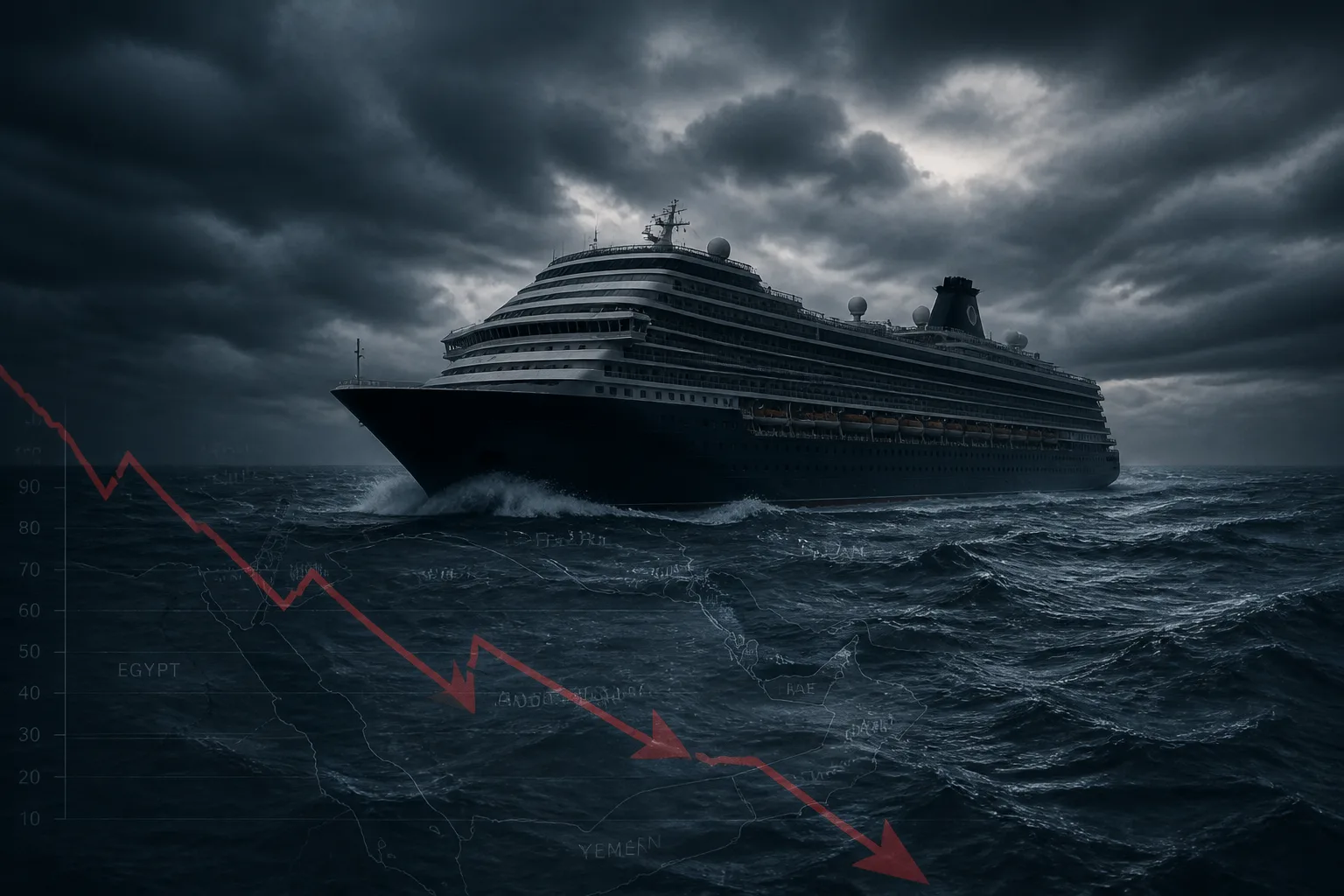
On June 23, 2026, Carnival Corporation & plc released its second‑quarter earnings, announcing a record net income of $569 million and a 12‑month run of record net yields. The headline‑making numbers were quickly tempered by a revised forecast: the company now expects net‑yield growth of 3.2 % for the remainder of the fiscal year, a full percentage point below the previously projected rate of above 4 %. The downgrade sent the stock tumbling nearly 5 %.
The earnings report also highlighted that Carnival’s adjusted net income, revenues and net yields all reached new highs, while customer deposits climbed to an all‑time $9 billion. Costs rose in line with expectations, with gross margins slipping mainly due to fuel price volatility. The company said it had implemented tighter cost discipline and that fuel costs, after an earlier sharp increase linked to the Middle East conflict, had come in lower than projected.
Chief Financial Officer David Bernstein explained that the downgrade was driven by “extreme geopolitical volatility and historically low consumer sentiment” during the quarter. The ongoing Middle East conflict had disrupted European deployments, leading to slightly lower occupancy and revisions in ticket and onboard revenue. Higher crew travel costs and freight expenses, also tied to the conflict, added to the pressure on earnings.
CEO Josh Weinstein countered investor concerns by noting that the company’s cruise lines were 93 % booked for the year, leaving less inventory than at the same time last year. He said Carnival would still achieve record net yields and that the outlook for 2027 and beyond remains strong. Weinstein highlighted that the company had delivered over 20 % more to the bottom line and that the 12‑quarter streak of record net yields continued.
Capital‑expenditure plans were also detailed. Carnival spent $600 million on new‑build capital this year, a reduction from earlier plans because the company has paused deliveries of new ships. Ten vessels are on order – five for Carnival Cruise Line, two for AIDA and three long‑term for Princess Cruises – but the figure does not include potential stage payments for future orders. New‑build capital currently represents half of the non‑new‑build capital expenditures, which total $1.3 billion.
The market reaction was swift. After the announcement, CCL shares fell about 5 %, but the stock remains up 7 % year‑to‑date and 20 % over the past year. The company has outperformed Royal Caribbean Group, which is up 13 % year‑to‑date, although Royal Caribbean began the year at a higher valuation and recovered more quickly from the pandemic. Norwegian Cruise Line Holdings shares are down more than 10 % this year, though they are up 10 % year‑to‑date, and Viking Cruises is the strongest performer, up more than 100 % year‑to‑date.
Despite the revised outlook, industry analysts note that the three largest public cruise operators – Carnival, Royal Caribbean and Norwegian – have collectively committed nearly $100 billion in ship‑building orders over the next decade. The consensus among investors remains that the cruise industry’s long‑term growth prospects are intact, even as short‑term headwinds from geopolitical tensions and cost pressures persist.
In summary, Carnival Corp’s Q2 2026 results were record‑setting, but the company’s lowered net‑yield growth forecast reflects the impact of the Middle East conflict on European itineraries and broader cost pressures. The stock’s decline has been offset by a solid year‑to‑date performance, and the company’s long‑term ship‑building commitments suggest confidence in future demand.