U.S. Treasury Grants 60-Day License for Iranian Oil Sales Amid Post-War Diplomacy
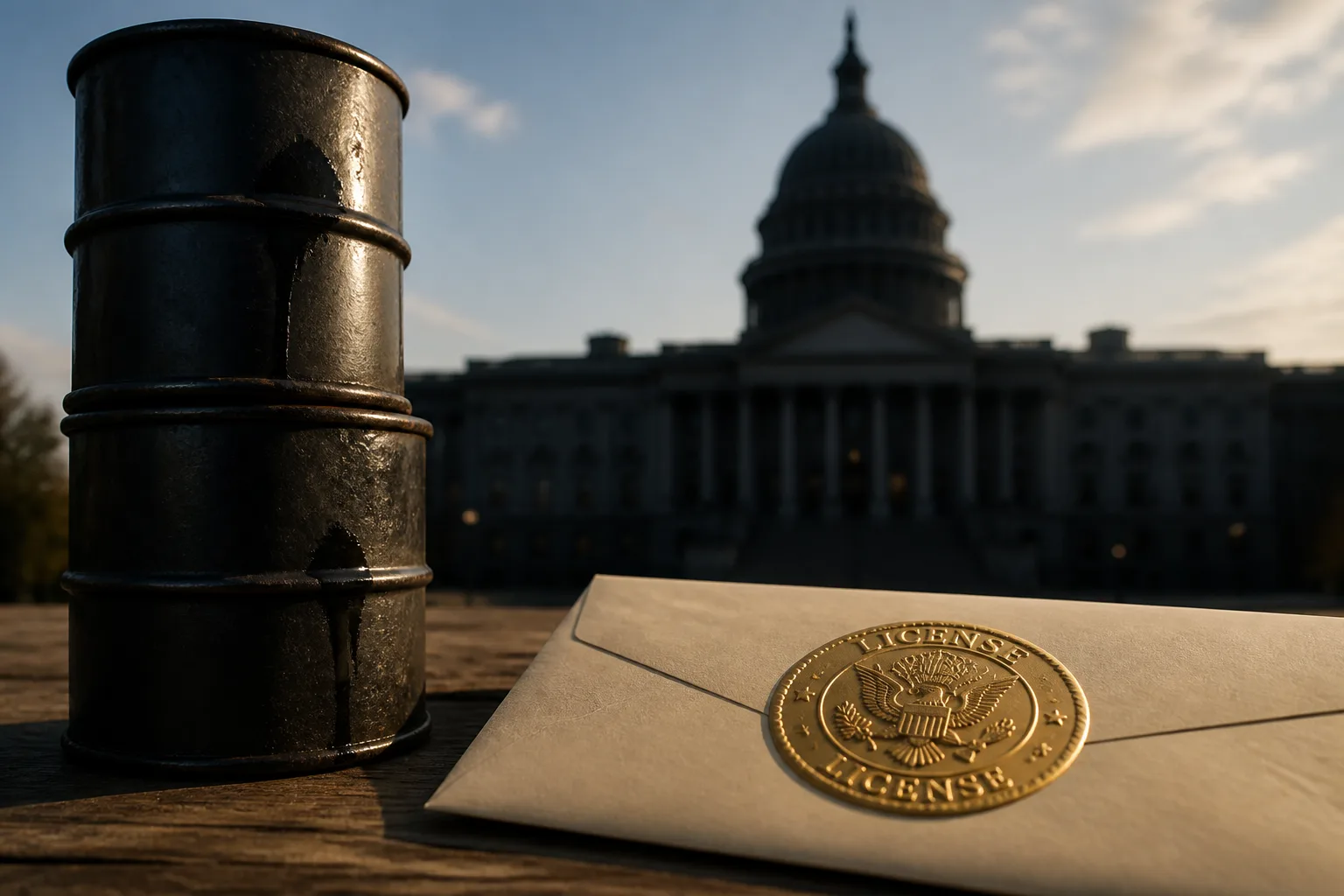
On June 22, 2026 the U.S. Treasury Department issued a 60‑day general license that permits Iran to export and sell crude oil on the world market. The move follows a memorandum of understanding signed on June 14 by President Donald Trump and Iranian officials, a document that ended hostilities between the two countries and lifted the U.S. naval blockade of the Strait of Hormuz.
For almost a decade, Tehran has been unable to market its crude openly. After President Trump withdrew the United States from the Joint Comprehensive Plan of Action (JCPOA) in May 2018, sanctions barred the sale of Iranian oil to American entities and forced the regime to rely on a shadow fleet of vessels and non‑U.S. currencies for payments. The new waiver restores the ability to sell Iranian oil in U.S. dollars – a payment method that has been unavailable since 2007.
Under the license, Iranian oil may enter the United States only for “ordinary incident and necessary” purposes, such as shipping, processing, or storage before delivery to a third‑country buyer. The Treasury has not issued detailed guidance, and many American refiners have expressed caution, citing the risk of violating sanctions law. The wording of the waiver mirrors earlier temporary licenses, including the one issued on March 20, 2026 for oil loaded on vessels as of that date.
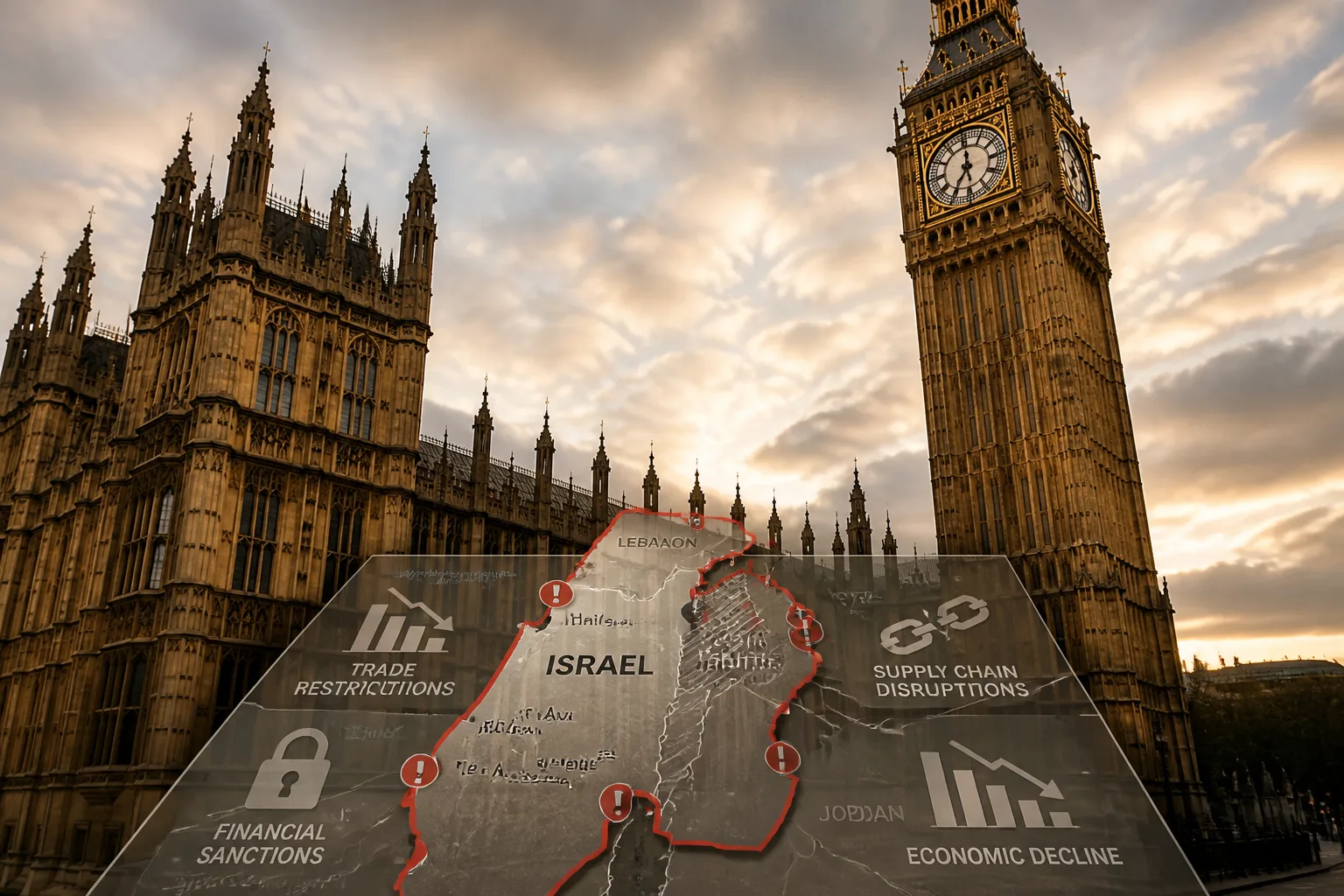
The decision marks a sharp pivot in U.S. policy. Trump’s administration had long pursued a “maximum pressure” campaign, re‑imposing sanctions in 2018 and targeting Iran’s energy, financial, and shipping sectors. The 60‑day license is the first broad relief granted by the Treasury since those sanctions were reinstated. Analysts note that the waiver could unlock billions of dollars in revenue for Tehran, as the country can now sell at higher prices without the discount buyers previously demanded to offset sanctions risk.
The license is part of a broader diplomatic framework. The memorandum of understanding that led to the license also lifted the U.S. blockade of the Strait of Hormuz, cleared the waterway of mines, and opened it to international shipping. The agreement provided a 60‑day window for negotiations on limits to Iran’s nuclear program, the disposal of highly enriched uranium, and the release of frozen Iranian assets. While the license is temporary, it signals a willingness by the Trump administration to ease economic pressure in exchange for progress on security issues.
Iran’s oil industry has been a cornerstone of its economy. Prior to the 2018 sanctions, the sector accounted for a significant share of government revenue and foreign‑exchange earnings. The 2018 withdrawal of the JCPOA led to a sharp decline in oil exports and a collapse of the Iranian rial. Since the 2026 ceasefire, Iranian officials have indicated that the temporary license could help stabilize the central bank by bringing foreign currency into the financial system.
The U.S. Treasury’s action also has implications for global oil markets. By allowing Iranian oil to be sold in U.S. dollars, the license removes a key barrier that has limited the country’s ability to compete on price. The waiver may encourage new buyers, particularly in Asia, to purchase Iranian crude at market rates. However, the short duration of the license and the lack of clarity on whether it will be extended mean that the impact on long‑term trade flows remains uncertain.
The license does not lift all sanctions. The Treasury has not waived restrictions on Iranian financial institutions, shipping companies, or the broader energy sector. It also does not authorize the sale of Iranian oil to U.S. refiners or consumers. The U.S. remains committed to monitoring compliance and will likely issue further guidance as the 60‑day period progresses.
In summary, the Treasury’s 60‑day license represents a significant, albeit temporary, easing of U.S. sanctions on Iranian oil. It is a concrete step in the broader diplomatic effort to resolve security and economic tensions between the United States and Iran following the 2026 ceasefire.