CAIR Welcomes Rep. Adam Smiths Move to Remove U.S.-Israel Military Merger from 2027 NDAA
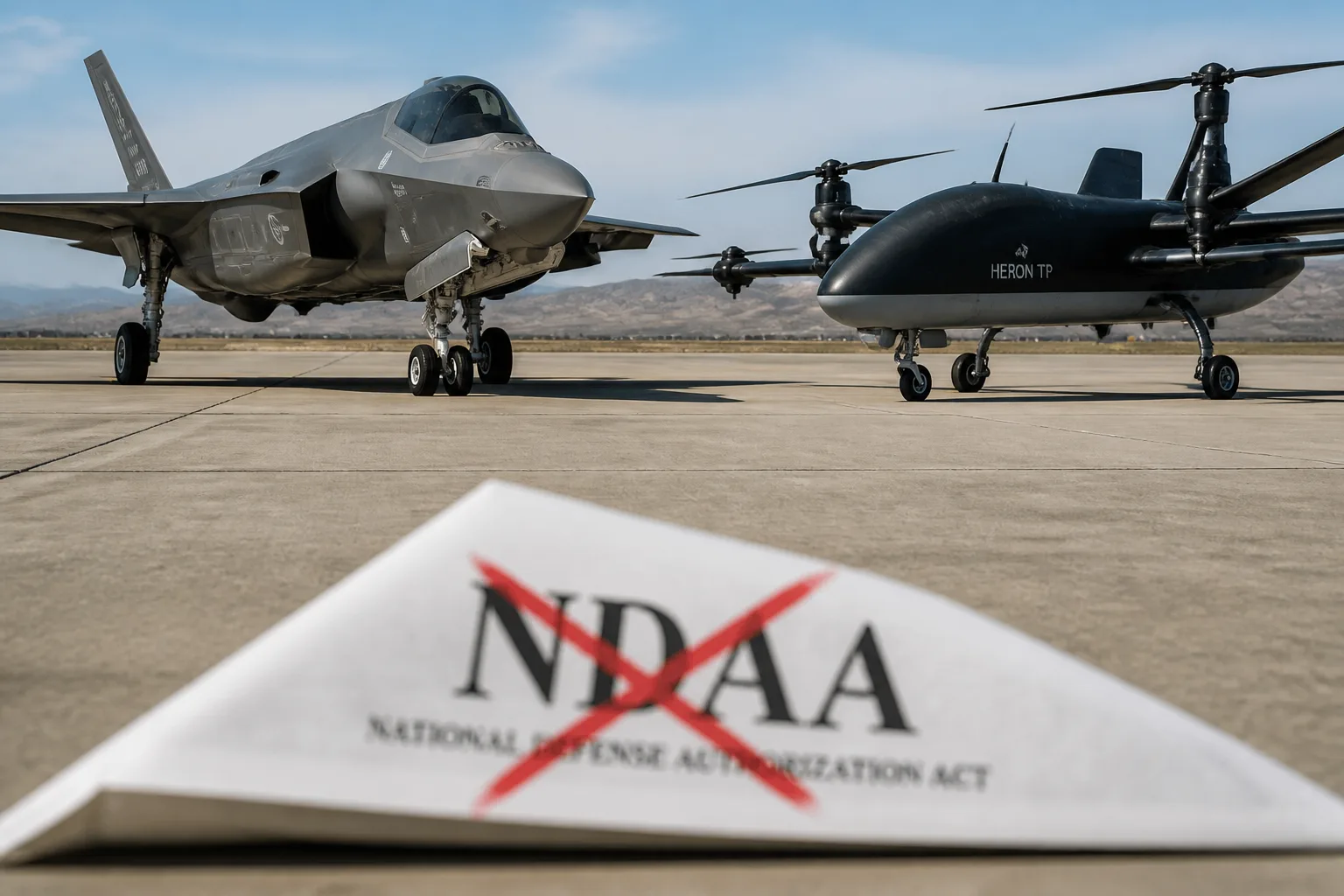
On June 29 2026, a surprising shift rippled through Washington’s congressional corridors when the Council on American‑Islamic Relations (CAIR) and its Washington chapter (CAIR‑WA) announced that Representative Adam Smith (D‑WA) would back efforts to strip a controversial U.S.–Israel military merger clause from the Fiscal Year 2027 National Defense Authorization Act (NDAA). The move follows Smith’s earlier support for the provision, which would deepen defense‑technology integration with Israel.
The clause in question—Section 224 in the Senate draft and Section 219 in the House version—was carved into the bill as part of the United States‑Israel FUTURES Act. Introduced by Senators Ted Budd and Kirsten Gillibrand alongside Representative Ronny Jackson in 2026, the act seeks to cement U.S.–Israel defense cooperation. The language obliges the U.S. Department of Defense to coordinate research, intelligence, and technology development with Israeli partners and to share data and systems.
CAIR argues that the merger would “force future U.S. presidents to make U.S. military technology available to Israel regardless of its human‑rights violations.” In a statement posted on its website, the organization noted that the American public has expressed opposition to using U.S. resources to back foreign governments that commit human‑rights abuses. CAIR urged other members of Congress to oppose the merger and to mobilize their constituents.
The amendment CAIR champions—Amendment #2 to the FY 2027 NDAA—was submitted by Representatives Thomas Massie (R‑KY), Ro Khanna (D‑CA), Jim McGovern (D‑MA), Jesús “Chuy” Garcia (D‑IL), and Rashida Tlaib (D‑MI). It seeks to excise Section 224 entirely. The proposal surfaced during the House Armed Services Committee’s markup session of the NDAA.
The U.S.–Israel military integration has long been a flashpoint in Washington. In 2026, the House Armed Services Committee voted to retain the provision, but the amendment failed to pass. Critics label the clause a “military merger” that would forge a close operational link between the two forces, while supporters contend that the collaboration bolsters U.S. security and strengthens Israel’s defense capabilities.
The debate also mirrors wider anxieties about defense spending and foreign policy. The FY 2027 NDAA earmarks roughly $1.14 billion for defense technology and research. Some see Section 224 as a formalization of U.S.–Israel ties in the wake of the 2026 Iran conflict.
CAIR’s public letter, published on its site, urges members of Congress to “block the U.S.-Israel Military Merger Bills” and calls on citizens to contact their representatives. Executive director Imraan Siddiqi stressed that the American people have made it clear they do not want U.S. resources diverted to support foreign governments’ human‑rights abuses.
Sponsoring lawmakers argue that removing Section 224 would free the U.S. from a binding partnership that could curtail presidential discretion. They also contend that keeping defense technology under U.S. control protects national security interests.
At present, the amendment remains pending in the House. The House Armed Services Committee has not yet taken a vote, and the Senate has not considered the proposal. The final version of the NDAA will be decided in the next congressional session.
Meanwhile, U.S. and Israeli defense collaboration continues through joint research projects, intelligence sharing, and technology development. The FY 2027 NDAA remains the primary legislative vehicle for U.S. defense policy, and the fate of Section 224 will likely remain a contentious issue as the bill advances.
The amendment’s next steps hinge on the outcome of the committee’s forthcoming markup. If it passes, the merger provision would be removed from the final NDAA. If it fails, the clause would remain in the bill and become law once the President signs the NDAA.
The debate over the U.S.–Israel military merger underscores the ongoing discussion about U.S. defense policy, foreign alliances, and Congress’s role in shaping military cooperation agreements.