Iran Declares No U.S. Talks Scheduled Amid Qatar Visit, Citing Focus on Memorandum Implementation
On Monday, 29 June 2026, Iran’s foreign‑ministry spokesperson Esmaeil Baghaei announced that no technical or political talks with U.S. officials are scheduled in the coming days. The statement also confirmed that an Iranian technical delegation would travel to Qatar this week, a visit that Tehran said is unrelated to any U.S. officials expected in Doha.
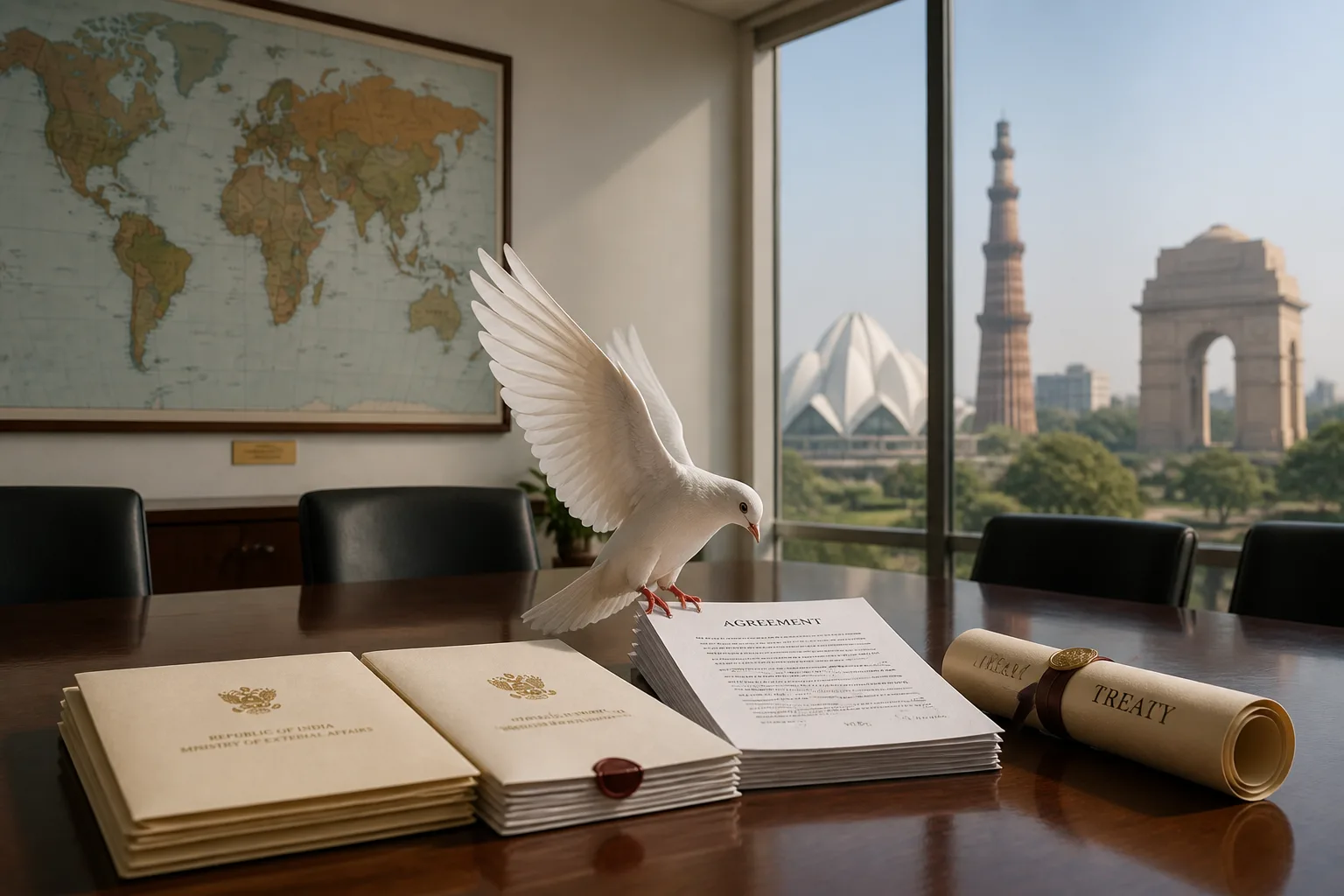
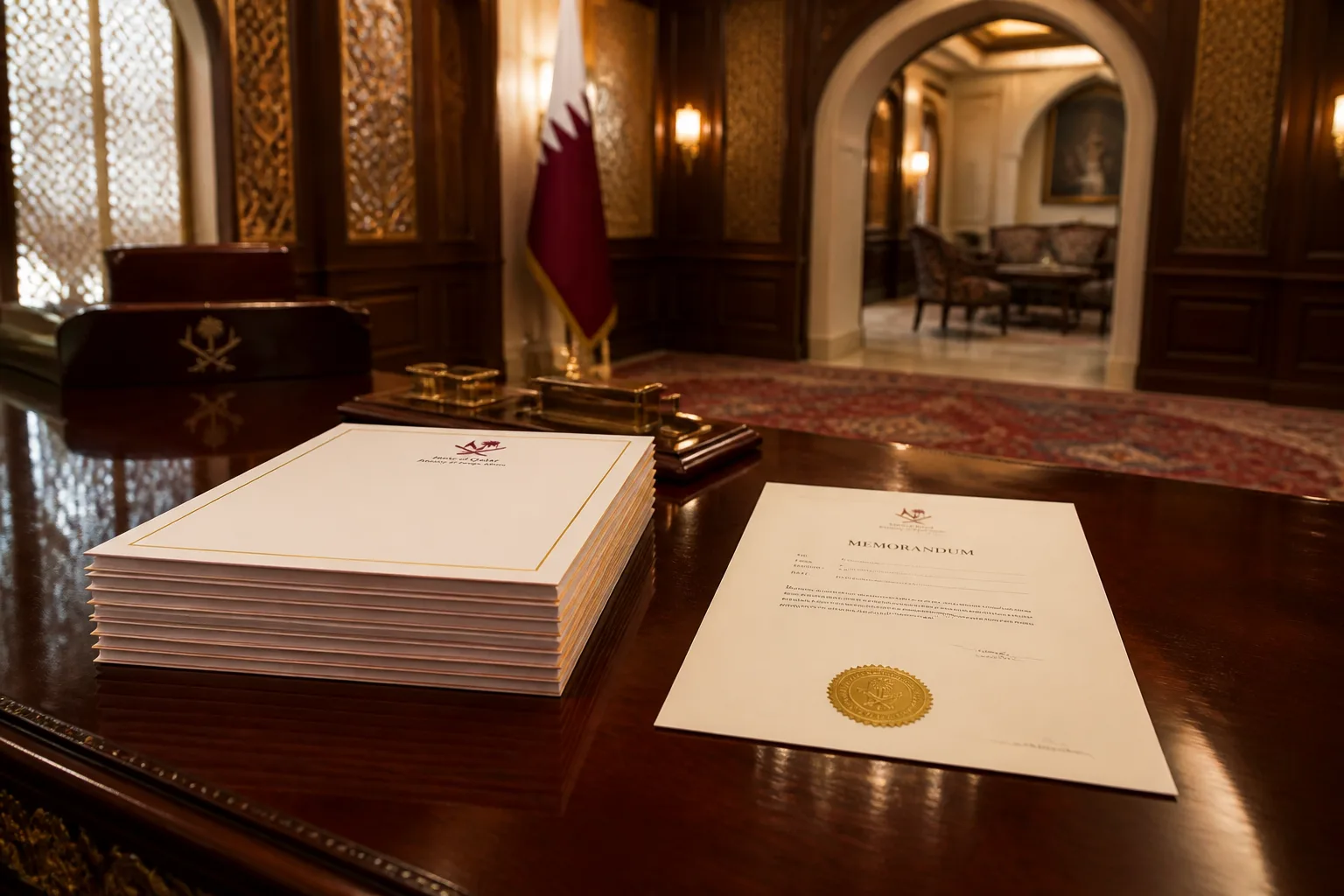
The clarification followed President Donald Trump’s social‑media claim that the United States and Iran would hold fresh talks in Qatar on Tuesday. Tehran’s response was that the delegation’s visit is part of a broader effort to implement the Memorandum of Understanding (MoU) signed on 14 June 2026, which extended the ceasefire that ended hostilities beginning 28 February 2026.
The MoU, brokered by Pakistan and Qatar, outlines a 60‑day extension of the ceasefire and sets a framework for a final settlement. Tehran has said it will not initiate negotiations for a final deal until the specific provisions of the MoU are fully implemented. Baghaei emphasized that Iran’s priority is to see the agreed‑upon steps—sanctions relief, maritime access, and the release of Iranian assets—carried out.
The war that erupted in February followed a joint Israeli‑U.S. strike on Iranian military sites, including the assassination of Supreme Leader Ali Khamenei. The conflict lasted three months before the ceasefire was announced. Since the ceasefire, Iran has maintained that it will not allow International Atomic Energy Agency inspections of its bombed nuclear facilities, a position reiterated by the spokesperson in earlier statements.
Qatar’s role as a mediator has been central to the current diplomatic window. The country hosts the Iranian embassy in Doha and has historically maintained close economic ties with Tehran, especially in the natural‑gas sector. The collapse of energy cooperation in early 2026, following Iranian missile strikes on Qatari territory, has added urgency to the need for a stable diplomatic process.
The technical delegation will meet with Pakistani and Qatari officials to discuss the practical aspects of the MoU, including the lifting of sanctions and the restoration of maritime routes. Baghaei stressed that the delegation’s visit is not linked to any U.S. diplomatic presence in Doha.
Against this backdrop, the United States has continued its military buildup in the Middle East, and tensions remain high. The U.S. has also announced that it will allow Iran to sell oil and gas for 60 days, a move the Iranian ministry described as part of the "Conflict Control Unit" aimed at stabilizing front lines.
Iran’s denial of any talks with the United States at any level in the coming days reflects a cautious approach. The ministry’s statement aligns with earlier remarks by Deputy Foreign Minister Kazem Gharibabadi, who also confirmed that no U.S. officials were scheduled to meet Iranian counterparts in Doha.
The current diplomatic landscape is therefore defined by Iran’s insistence on the implementation of the MoU before any new negotiations can begin, the scheduled technical visit to Qatar, and the absence of U.S. engagement in the immediate future. The next phase of talks, if any, will likely depend on progress in the areas outlined in the memorandum and the evolving security situation in the region.
The situation remains fluid, with the international community closely monitoring developments in Doha and the broader Middle East.