US-Led Military Dialogue in Bahrain Includes Syria and Lebanon, Reaffirms Commitment to Strait of Hormuz
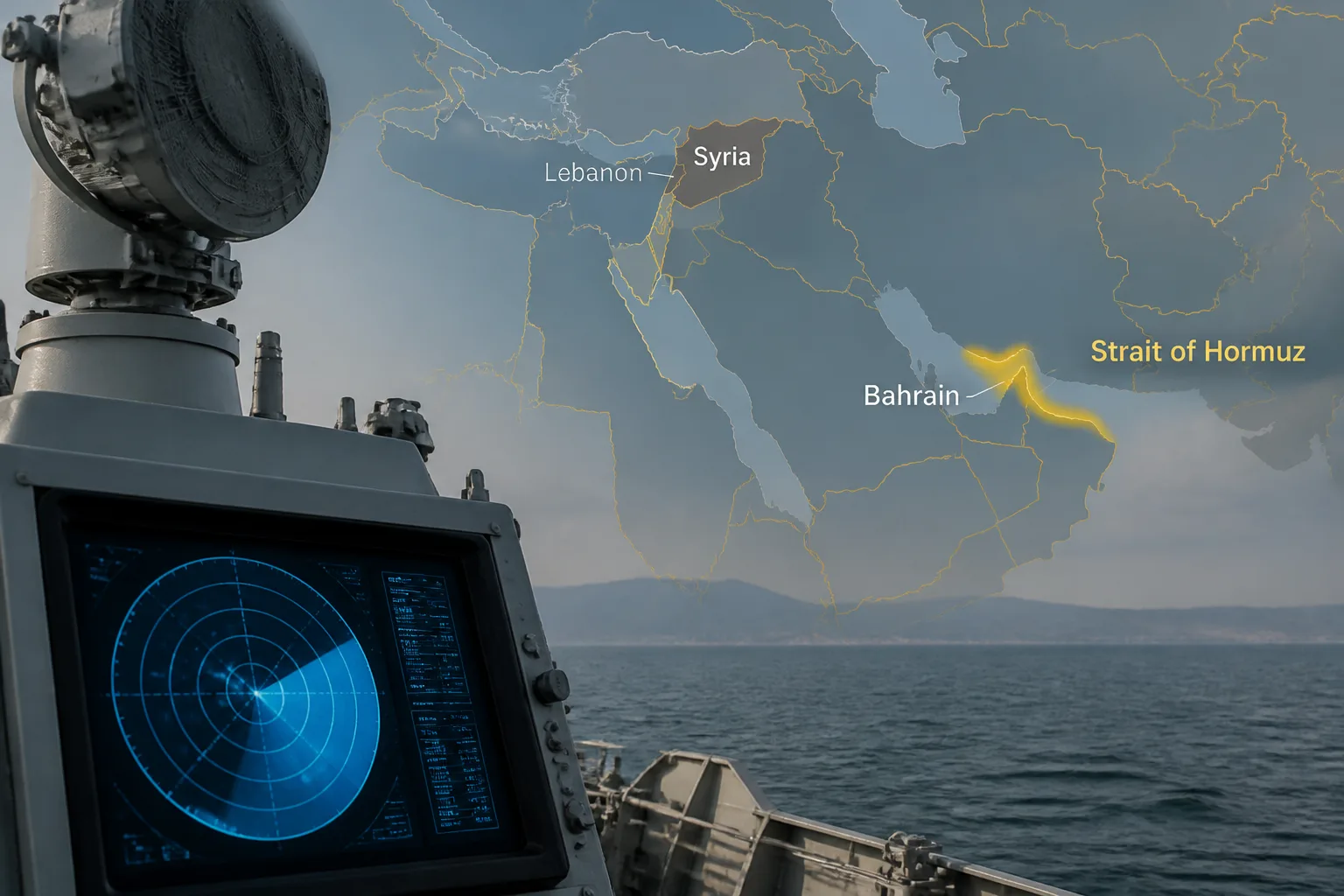
When the sun rose over Bahrain’s desert horizon on Thursday, a quiet but historic gathering unfolded on the island’s military base, bringing together a dozen Middle Eastern states for a U.S. Central Command‑led Strategic Military Partners Dialogue. For the first time, senior officers from Syria and Lebanon joined the forum, marking a milestone in U.S. engagement with countries that had previously been excluded from such events. The delegation from the Syrian Arab Republic was led by Colonel Ahmad Saeed Issa, director of the Department of International Cooperation in the Ministry of Defense. Syria’s appearance followed its participation in the Efes 2026 joint land, naval, and air drills in Turkey, the first time the Syrian Army has trained alongside NATO members since the fall of the Bashar Assad regime in December 2024. In November, Syria also joined the Global Coalition to Defeat Daesh as its 90th member, signalling a renewed commitment to international security efforts. The dialogue gathered representatives from Bahrain, Egypt, Jordan, Kuwait, Lebanon, Oman, Qatar, Saudi Arabia, the United Arab Emirates, Syria, and Yemen. According to a CENTCOM statement, all participants reaffirmed a shared commitment to ensuring the free flow of commerce through the Strait of Hormuz. Admiral Brad Cooper, commander of CENTCOM, emphasized that the discussions underscored a collective pledge to regional security and stability. Including Syria and Lebanon in a CENTCOM‑led forum is unprecedented, with no prior military leaders from either country attending such an event. Syria’s new transitional government, which replaced the caretaker administration in March 2025, has been actively working to restore international ties and lift sanctions that had crippled the country’s economy. Colonel Issa’s presence in Bahrain is widely viewed as a step toward normalizing relations with Western‑aligned partners and reintegrating Syria into regional security dialogues. Lebanon, still grappling with a fragile political and economic crisis, has traditionally maintained a cautious stance toward external intervention. The decision of Lebanese officers to participate signals a willingness to engage with a broader array of security partners despite domestic uncertainties. The delegation’s attendance also reflects the growing influence of Qatar’s forward headquarters, which has been central to U.S. efforts to maintain stability in the Persian Gulf. By opening the dialogue to Syria and Lebanon, CENTCOM signals a shift toward greater inclusivity in its regional security initiatives. The move underscores the importance of broadening partnership networks amid heightened tensions in the Gulf and the broader Middle East. The Strait of Hormuz, the narrow waterway that connects the Persian Gulf to the Gulf of Oman, remains a critical maritime corridor for global trade. Roughly 20 % of the world’s oil and an equivalent share of its liquefied natural gas transit the strait daily, making it one of the most strategically important choke points on the planet. In early 2026, Iranian forces temporarily blocked commercial shipping through the strait, triggering a broader crisis that threatened global energy supplies. The blockade prompted swift diplomatic responses from Gulf states and the United States, leading to negotiations that eventually resulted in a 60‑day exemption from tolls for commercial vessels announced by Iran in June. The Bahrain dialogue carried both symbolic and practical significance, as participants reaffirmed their collective commitment to keeping the strait open for commerce. The discussion highlighted the need for coordinated maritime security measures to deter future disruptions and protect vital trade routes. CENTCOM’s forward headquarters in Qatar and its longstanding presence in the Gulf region have been instrumental in supporting these security efforts. The meeting reinforced the view that maintaining the free flow of commerce through the Strait of Hormuz is essential for regional stability and global economic resilience. Beyond the Strait of Hormuz, the dialogue touched on broader regional security challenges, including the ongoing conflict with Iran and the threat posed by non‑state actors. Delegates discussed the importance of joint training, intelligence sharing, and interoperability to enhance collective defense capabilities. While no new military agreements were announced during the meeting, the participants laid the groundwork for future cooperation through detailed planning for joint exercises. CENTCOM emphasized the value of establishing liaison mechanisms to facilitate continuous dialogue among the participating states. The inclusion of Syria and Lebanon in a CENTCOM‑led forum has opened new avenues for information exchange and strategic coordination. The meeting also underscored the necessity of maintaining robust intelligence networks to counter asymmetric threats in the region. Participants reaffirmed that collective security efforts must adapt to evolving geopolitical dynamics, including the resurgence of proxy conflicts. The dialogue concluded with a joint statement reaffirming the commitment to uphold the free flow of commerce through the Strait of Hormuz and to strengthen collective defense capabilities. The next steps will likely involve detailed planning for joint exercises and the establishment of liaison mechanisms to ensure continuous dialogue among the participating states. The timing of the meeting aligns with renewed diplomatic efforts to reopen the Strait of Hormuz, following Iran’s temporary exemption from tolls for commercial vessels. The Bahrain dialogue represents a significant development in the Middle Eastern security architecture, bringing together a diverse group of partners to address shared maritime and regional challenges. By engaging Syria and Lebanon, CENTCOM has broadened its partnership network amid heightened tensions in the Gulf. The inclusion of these countries signals a shift toward greater inclusivity in U.S. regional security initiatives. The forum’s outcomes may influence future policy decisions regarding maritime security and counterterrorism cooperation. Ultimately, the dialogue underscores the importance of collaboration among regional actors to safeguard critical trade routes and maintain stability. As the Gulf states and their allies continue to navigate complex security dynamics, the Bahrain meeting sets a precedent for inclusive and coordinated defense efforts.