Middle East Tourism Shifts: International Arrivals Drop 14% as Domestic and Regional Travel Rise
In 2026, the Middle East experienced a 14‑percent drop in international tourist arrivals, a figure reported by a UN Tourism study. The decline, linked to ongoing geopolitical uncertainty, has not left the region idle. Instead, travel patterns are shifting, with a surge in domestic and short‑haul trips that keep the tourism sector vibrant and the local economy moving forward.
The study attributes the fall to lingering political tensions that deter long‑haul travel, yet it also highlights a clear trend toward closer, more convenient destinations. Travelers are now favoring weekend city breaks, coastal resorts, mountain retreats, and cultural sites spread across the Gulf and its neighbors. Rather than a collapse, the data point to a reshaping of preferences that keeps tourism alive in the region.
Dubai remains a magnet, with the Burj Khalifa, Dubai Mall, Palm Jumeirah and Dubai Marina continuing to draw crowds. The city’s airport, one of the world’s busiest, handles a steady stream of regional flights. Abu Dhabi’s Sheikh Zayed Grand Mosque, Louvre Abu Dhabi, and Yas Island stay open, while Doha’s Hamad International Airport, just 15 km from the city center, keeps its extensive network running. These hubs showcase that major attractions remain accessible.
Muscat’s charm endures through its historic Mutrah Souq, Al Alam Palace, and pristine coastline, all within easy reach of Muscat International Airport, located about 32 km from the waterfront. Hotels, restaurants, shopping malls, and museums in the capital continue to welcome both residents and the remaining international visitors, underscoring the city’s ongoing hospitality appeal.
In response, tourism authorities across the region have rolled out campaigns that spotlight local experiences, seasonal festivals, and cultural attractions designed to encourage residents to explore their own borders. Hotels, airlines, tour operators, and visitor sites are recalibrating their offerings, placing a stronger emphasis on regional visitors, stay‑cation packages, and flexible travel options that cater to shorter itineraries.
Transport infrastructure continues to underpin this shift. Major airports in Dubai, Abu Dhabi, Doha, Riyadh, and Muscat sustain extensive international and regional flight networks, while newly upgraded road links between Gulf states enable seamless cross‑border travel wherever border arrangements permit. These connections ensure that the region’s mobility remains robust even as visitor flows reconfigure.
The 14‑percent decline in international arrivals is therefore part of a broader pattern, with domestic and regional demand strengthening across several Middle Eastern destinations. Staycations and short‑haul holidays are becoming increasingly popular among regional travelers, reflecting a growing preference for nearby experiences that combine convenience with cultural enrichment.
Cooperation among Gulf partners—UAE, Qatar, Saudi Arabia, Kuwait, and others—has intensified to sustain tourism activity amid the downturn in long‑haul arrivals. Joint marketing initiatives, shared infrastructure projects, and harmonised visa policies are examples of the collective effort to keep the region firmly on the global tourism map, ensuring that major attractions and hospitality services remain fully operational.
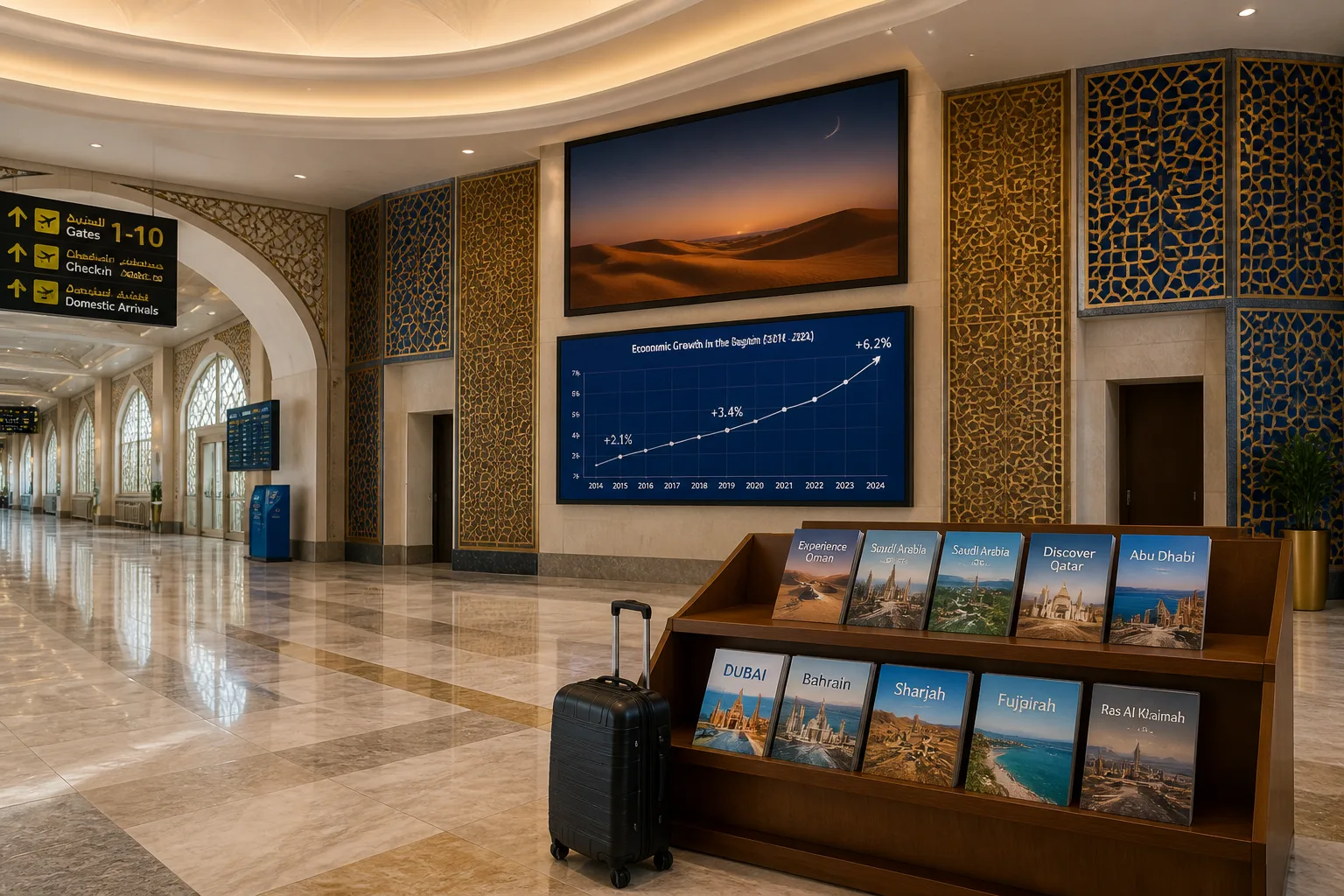
Looking at the numbers, the Middle East’s tourism sector is not only surviving but adapting. International arrivals have slipped, yet domestic and regional travel are filling the gap, sustaining revenue streams for hotels, airlines, and local businesses. The resilience of the hospitality industry is evident as visitor patterns shift, and the region continues to thrive as a destination for both nearby and global travelers, to support emerging tourism trends.
In short, while the 14‑percent drop in international tourists highlights a shift in global travel habits, the Middle East’s robust infrastructure, proactive authorities, and regional cooperation keep the industry buoyant. As domestic and regional journeys rise, the region’s cultural heritage, modern amenities, and strategic connectivity continue to attract visitors, sustaining economic momentum across the Gulf and beyond.