Israels Parliament Dissolves Ahead of October Election, Following Controversial Legislation
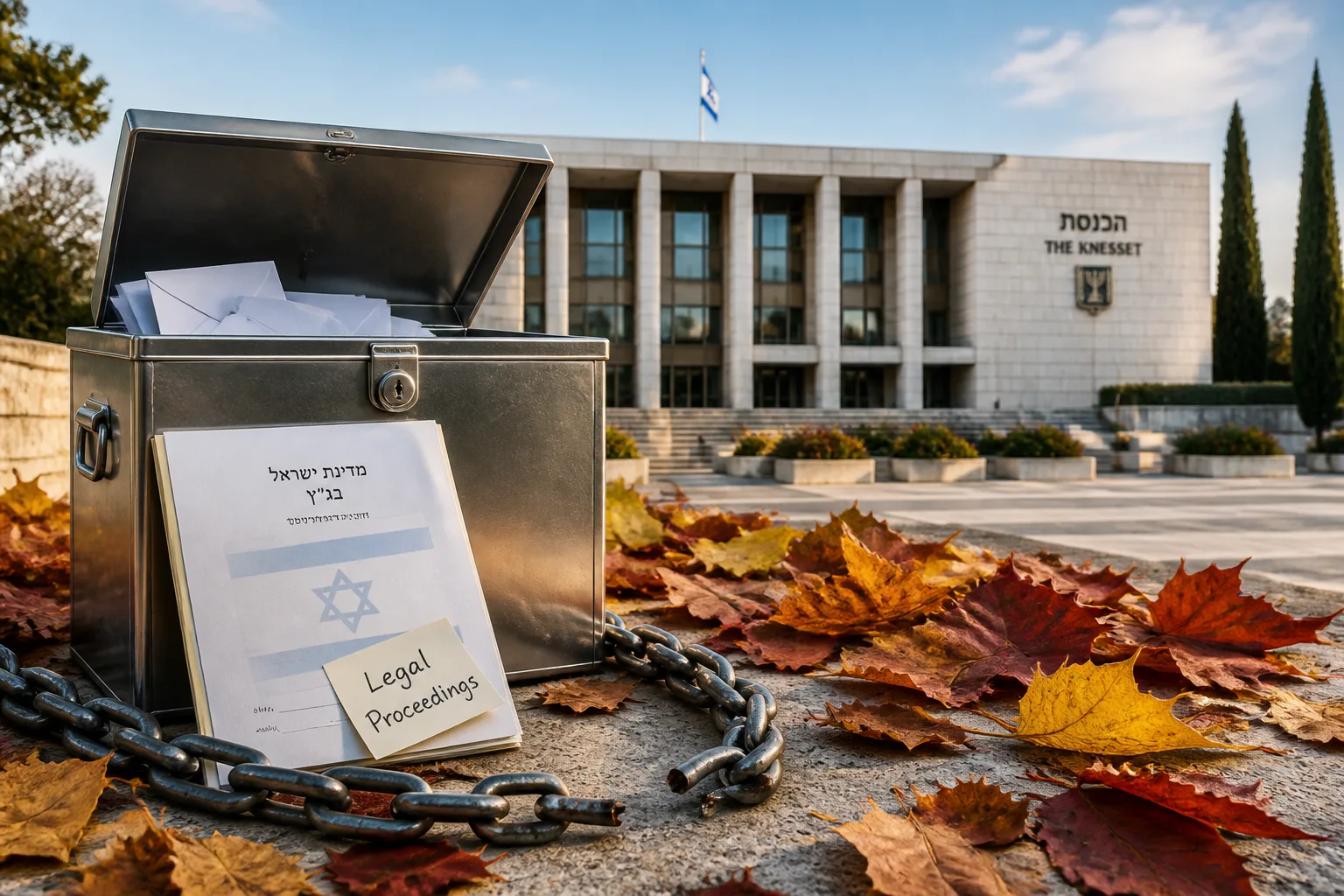
In a dramatic 62‑to‑zero vote that left the Knesset’s chamber hushed, Israel’s parliament dissolved itself, setting the stage for a national election on 27 October 2026. The motion was attached to a financing bill that expands state subsidies for parties during campaigns, a measure critics say was engineered to secure the loyalty of Netanyahu’s far‑right and ultra‑Orthodox allies.
The 25th Knesset, which had been in session since the 2022 elections, now closes its chapter. After a brief recess, a 26th Knesset will convene. Prime Minister Benjamin Netanyahu, who has led the country in three separate terms, is seeking re‑election. If he remains in power until the October vote, he will become the first Israeli prime minister to complete a full term since 1988.
The financing bill, passed in the final days of the Knesset’s term, increases state subsidies for parties during election campaigns. Opposition leader Avigdor Liberman, a member of the Likud party, denounced the legislation as an abuse of taxpayer money and a “contemptible attempt to tie the end of the session to increasing funding.” Analysts have argued that most of the legislation passed in the closing days of the 25th Knesset was aimed at appeasing Netanyahu’s coalition partners.
The coalition, which includes Likud, Otzma Yehudit, Noam, the Religious Zionist Party, United Torah Judaism, and Shas, relies heavily on the support of ultra‑Orthodox (Haredi) parties. Political analyst Nadav Eyal noted that Netanyahu’s moves are intended to signal to Haredi parties that he will support their interests.
In addition to the financing bill, the Knesset passed several other measures. A law reducing the powers of the attorney general was approved, easing the government’s ability to pursue legal actions. Another bill relaxed restrictions on Haredi draft‑dodgers, allowing more leniency for men exempt from mandatory military service. A separate piece of legislation increased government oversight of media companies, granting authorities greater control over content.
The dissolution motion was adopted unanimously by the 110 lawmakers who participated in the vote, with no opposition. The decision follows a period of political instability that saw the 36th government lose its majority, prompting snap elections in 2022. Those elections returned Netanyahu’s bloc to power, but the coalition remains fragile.
The upcoming election is widely regarded as a referendum on Netanyahu’s handling of security issues, including the October 7 attacks by Hamas‑led groups and the ongoing Israel‑Hamas war. Analysts expect the election to be highly contentious, with the opposition bloc projected to hold 67‑69 seats and Netanyahu’s coalition 49‑53 seats.
The dissolution of the Knesset and the passage of the financing bill raise questions about the balance between political financing and democratic accountability. The legislation has been criticized by opposition parties and civil society groups as a means to consolidate power and reward coalition partners.
The Israeli public will vote on 27 October to elect the 120 members of the 26th Knesset. The outcome will determine whether Netanyahu can continue his tenure or whether a new government will be formed.
The current situation is that the Knesset has dissolved, the election date is set, and the political landscape remains highly polarized. The next steps will involve campaign preparations, coalition negotiations, and the eventual convening of the new parliament.