Oil Prices Surge Over 4% as Iran Threatens US Naval Units Amid Escalating Conflict
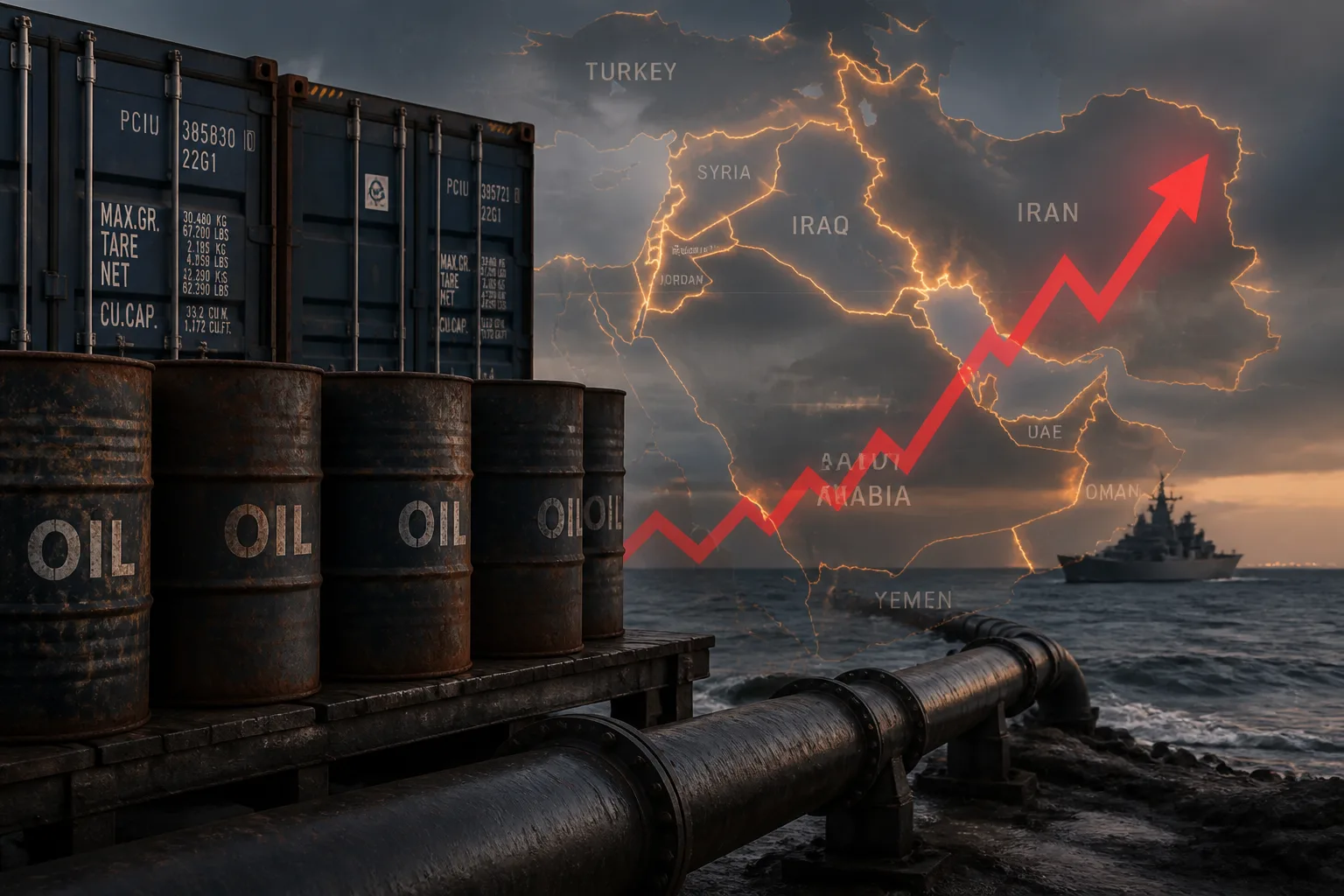
Crude oil prices surged more than 4% on Friday, as West Texas Intermediate (WTI) for August deliveries climbed 4.22% to $82.28 a barrel and Brent for September deliveries rose 4.12% to $87.70 a barrel.
The rally follows a stark warning from Iranian officials that the Islamic Republic could target United States Central Command (CENTCOM) naval units and deploy ground forces in Kuwait and Bahrain if Washington sends troops to Iran. The threat comes amid a protracted confrontation that began on 28 February 2026, when the United States and Israel launched a joint strike on Iranian targets following the assassination of Supreme Leader Ali Khamenei.
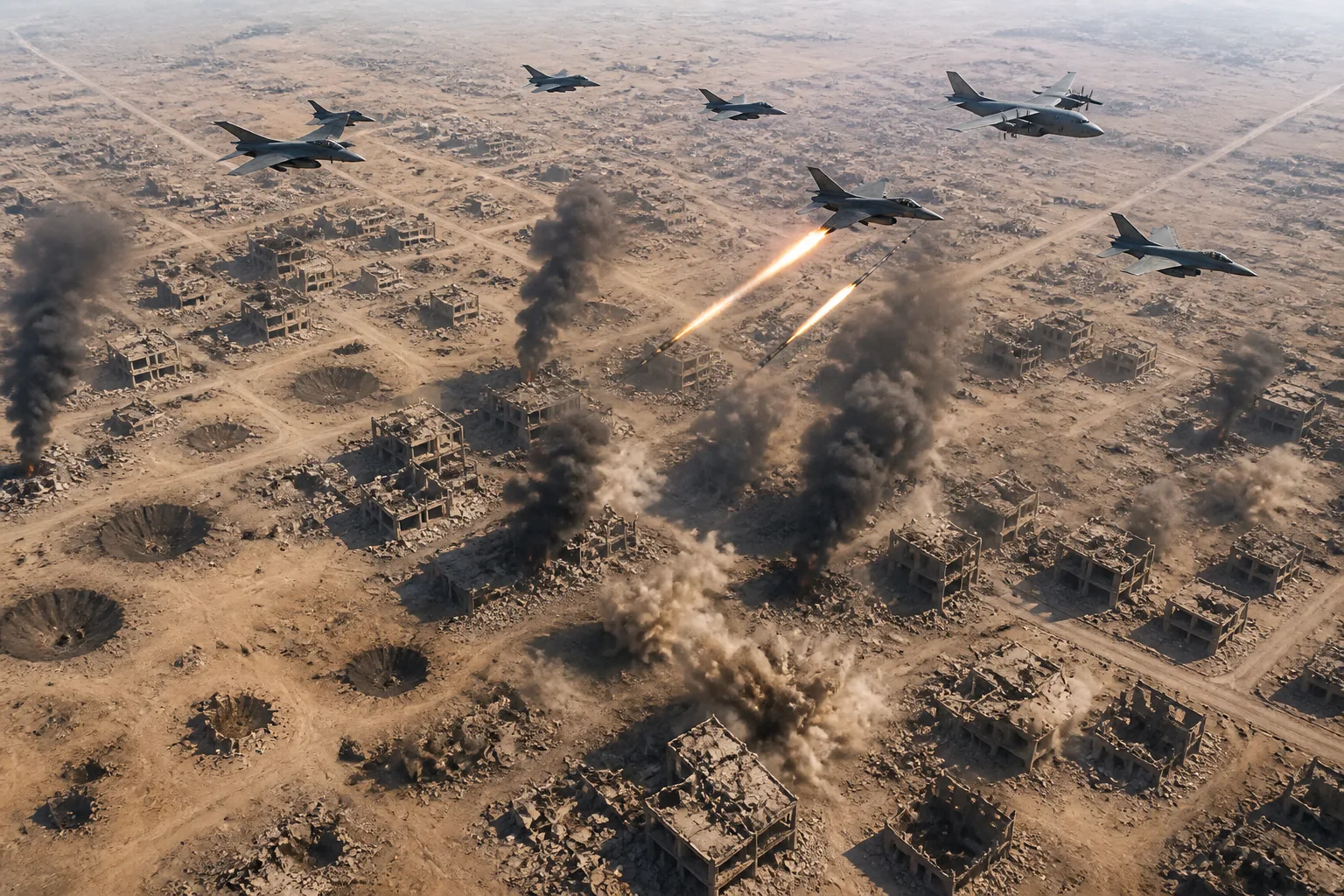
Since that day, the U.S. has carried out daily strikes on Iranian military sites—missile and coastal‑defence facilities, bridges, airports, power plants and even a train station in southern Iran—and reinstated a naval blockade of Iranian ports to safeguard commercial shipping through the Strait of Hormuz.
On 17 July, U.S. forces struck an Iranian maritime surveillance tower at Shahid Kalantari Port in Chabahar, Iran’s sole oceanic gateway on the Gulf of Oman. The precision strike destroyed the tower, which the U.S. military said was used to track and target commercial vessels. The same day, U.S. forces disabled the Curacao‑flagged oil tanker M/T Belma near Kharg Island, Iran’s primary oil export hub. Hellfire missiles slammed into the tanker as it sailed, marking the first enforcement action of the renewed blockade.
Iran’s threat to strike CENTCOM units and deploy troops follows a series of U.S. actions that have intensified the conflict. Reports indicate the U.S. has conducted its sixth consecutive night of strikes on Iranian infrastructure, targeting a range of facilities from bridges to power plants. In response, the Iranian government has warned of regional retaliation if its infrastructure is attacked.
The Trump administration has reportedly been weighing an expansion of the military operation in Iran. Officials say the administration is preparing to broaden U.S. actions to tighten control over the Strait of Hormuz, a key shipping lane that carries a significant portion of the world’s oil. In a recent move, the U.S. announced it would send additional refueling planes to Israel, a decision that could signal a broader escalation.
Oil market participants reacted swiftly to the latest developments. WTI, which had been trading around $78 a barrel earlier in the week, jumped to $82.28 after the Iranian threat and the U.S. strikes. Brent, hovering near $84, rose to $87.70. Analysts note that the price increase reflects heightened uncertainty about the security of shipping lanes and the potential for further disruptions to oil production and export.
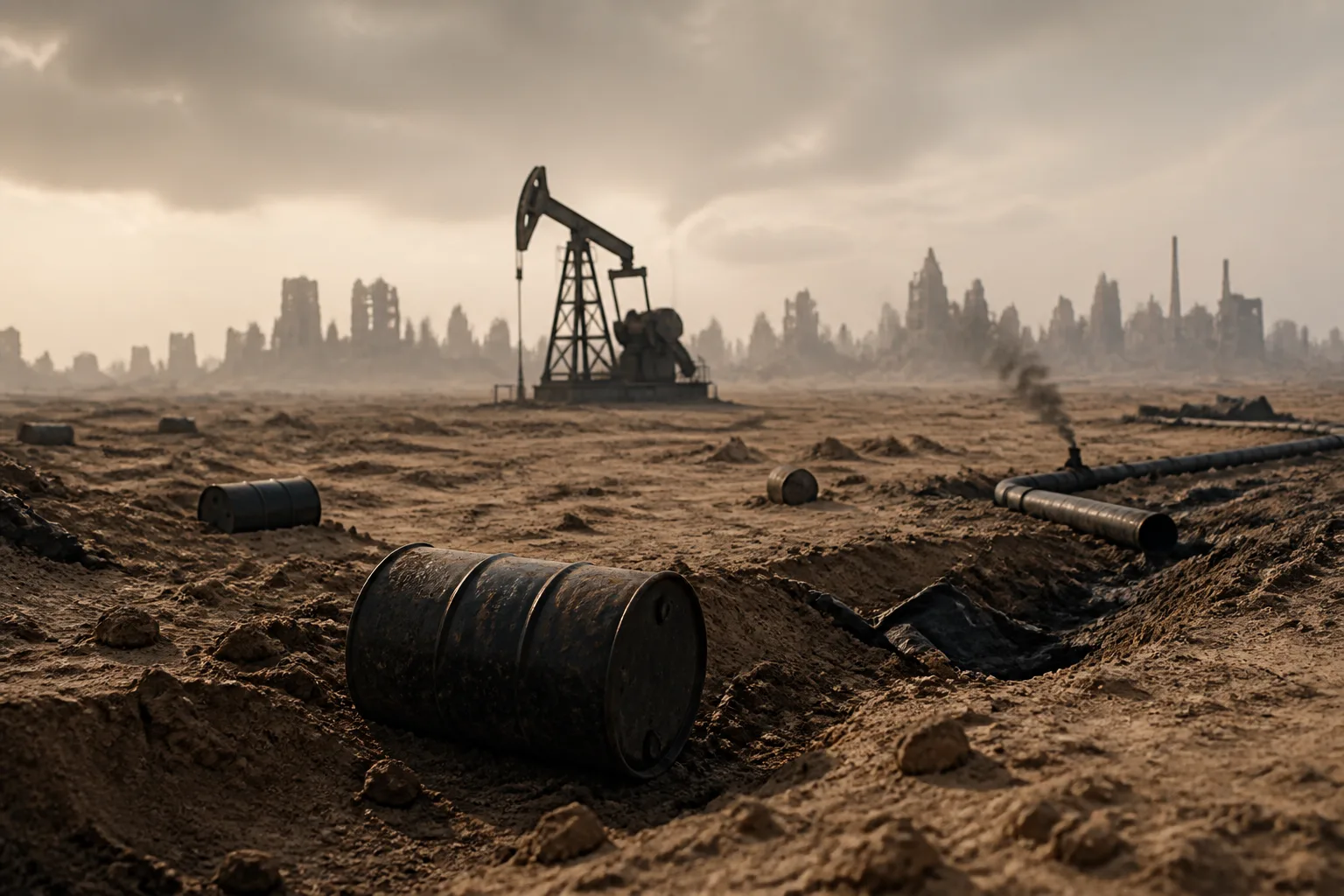
The conflict has also visibly impacted Iranian oil exports. Satellite imagery and maritime tracking data show that Kharg Island, Iran’s main crude‑oil export facility, has recorded no major tanker loading activity for at least ten days. The U.S. naval blockade has forced Iranian oil exports to shift to alternative terminals, such as Jask.
The United Nations and several regional actors have called for restraint, but the U.S. and Israel have maintained a firm stance, citing the need to protect their interests and counter Iranian influence in the region. Iran has reiterated its readiness to retaliate against any further U.S. military action.
In summary, crude oil prices have surged over 4% following Iran’s threat to target U.S. naval units and the U.S. military’s recent strikes on Iranian surveillance infrastructure and a tanker. The escalation, which began in February 2026, continues to affect regional security, shipping lanes and global oil markets.
The situation remains fluid. The next steps will depend on the responses of the U.S., Iran and regional partners, and any potential diplomatic initiatives that could de‑escalate tensions.