U.S. Oil Inventories Shrink as Middle East Tensions Rise, Brent Prices Surge
In a stark reminder that Middle‑East conflict still reverberates across global markets, U.S. crude inventories fell sharply in the week ending July 10, 2026. The Energy Information Administration (EIA) reported that the United States received no imports from Iraq or Saudi Arabia—two key suppliers that historically delivered 244,000 and 231,000 barrels per day (bpd), respectively.
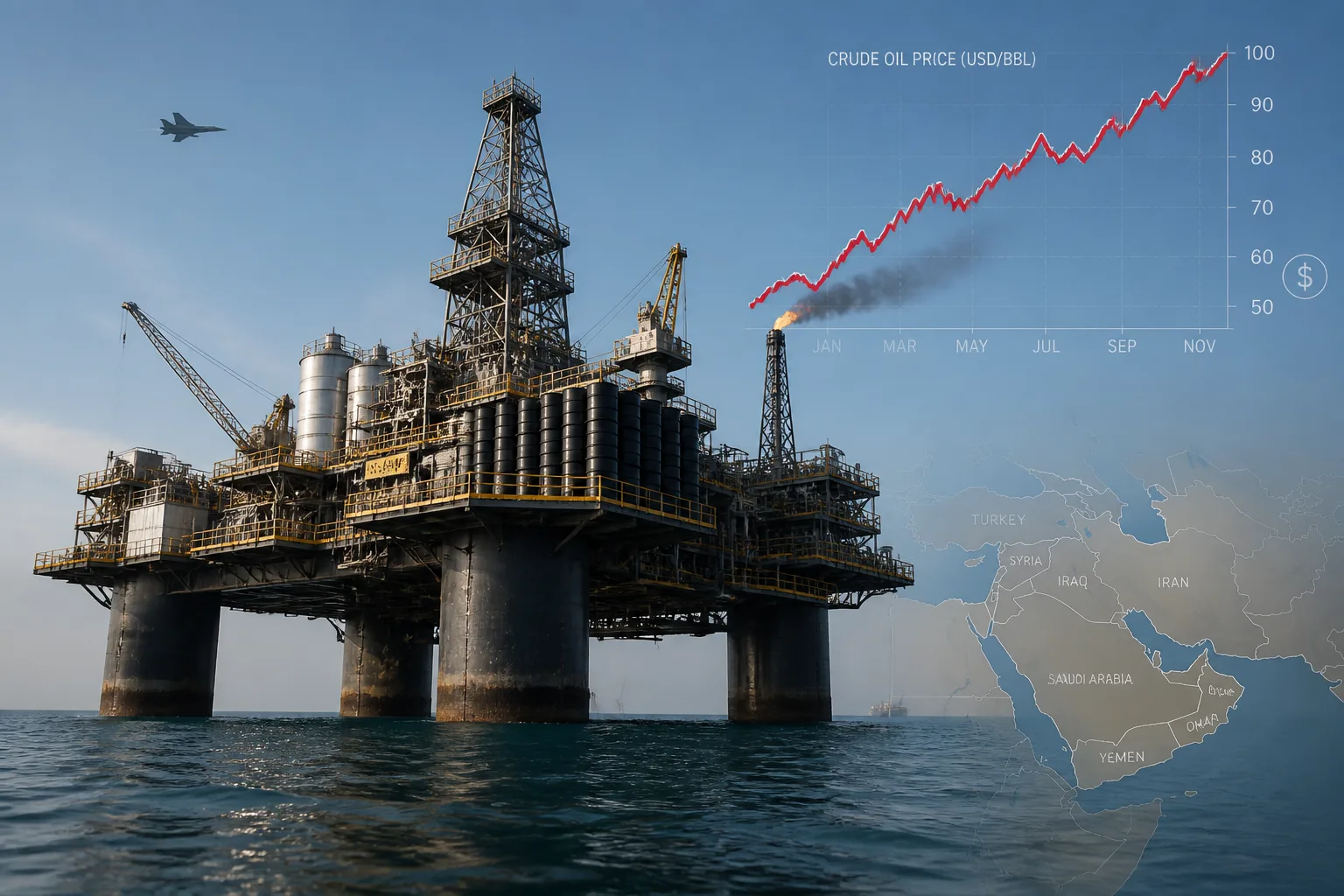
Brent crude, the international benchmark, surged to roughly $85 a barrel, about $10 higher than the previous Friday’s close. The jump underscores how quickly market sentiment reacts to geopolitical developments.
The EIA’s weekly petroleum status, released on Friday, showed U.S. crude imports totaling 5.3 million bpd for the week ending July 10, down from 6 million bpd at the same time a year earlier. Commercial inventories dropped by 1.7 million bpd, leaving stocks 6 % below the five‑year average for this period.
The Strategic Petroleum Reserve (SPR), the federal underground stockpile that cushions supply shocks, fell to 316.5 million barrels—roughly half of its 40‑year high. The depletion has raised alarms that the United States may have a tighter supply cushion if hostilities in the region intensify.
The current downturn follows a brief lull in June, when a memorandum of understanding between Iran and the United States temporarily eased tensions and allowed safe passage through the Strait of Hormuz. That agreement collapsed after President Donald Trump announced that war would resume, prompting the U.S. Navy to re‑establish a blockade of vessels attempting to reach Iran. The blockade, combined with the threat from Yemen’s Houthi rebels—who have been urged by Iran to close the Bab al‑Mandeb Strait—has disrupted shipping lanes that carry a significant share of global oil and gas.
In the same week, the EIA’s data confirmed zero imports from Iraq and Saudi Arabia, a sharp departure from the normal flow of 244,000 bpd and 231,000 bpd. The Trump administration has been pursuing increased investment in Iraqi oil, with 38 active oil and gas production and pipeline projects totaling $14.45 billion, according to Industrial Info Resources.
The combination of reduced imports, falling domestic inventories, and a depleted SPR has pushed Brent prices upward. The International Energy Agency (IEA) remains cautiously optimistic about a return to normal shipping traffic, but its forecast hinges on the resumption of traffic through the Strait of Hormuz.
Regional implications are significant. A sustained reduction in Middle Eastern supply could tighten global markets, potentially driving up prices further and affecting energy‑dependent economies worldwide. The U.S. government’s focus on diversifying supply—through increased Iraqi projects and alternative sources—may mitigate some of the pressure.
At present, the United States is monitoring the situation closely. The EIA continues to track weekly imports and inventory levels, while the Department of Energy assesses the SPR’s status. The U.S. Navy remains on alert for potential disruptions in the Strait of Hormuz and the Bab al‑Mandeb corridor.
In summary, U.S. oil inventories are shrinking as Middle East tensions intensify, with no recent imports from Iraq or Saudi Arabia and a depleted strategic reserve. Brent crude has risen to $85 a barrel, reflecting market concerns over supply disruptions. The United States is closely watching developments in the region and adjusting its energy strategy accordingly.