UK Faces Accusations of Double Standards Over Israel and Russia Amid Starmers Resignation
The United Kingdom’s response to the Gaza war and the Russian invasion of Ukraine has come under sharp scrutiny, with critics arguing that the government has applied inconsistent standards of international law. The debate intensified as Prime Minister Keir Starmer announced his resignation and the Labour Party’s leadership transition to Andy Burnham.
Starmer, who has been in office since 2024, and Attorney General Richard Hermer have been accused of down‑playing Israel’s actions in Gaza while condemning Russia’s occupation of Ukrainian territory. The criticism stems from the fact that, since the start of the Gaza conflict in October 2023, about 74,000 Palestinians have died, a figure that has prompted calls for stronger condemnation from the UK.
According to reports, Starmer’s government issued limited statements on the Gaza war, focusing mainly on condemning Hamas. In a radio interview shortly after the October 7 attacks, Starmer refused to condemn the cutting of water supplies to Gaza, a stance that experts say set a tone of reluctance to criticize Israel’s military operations.
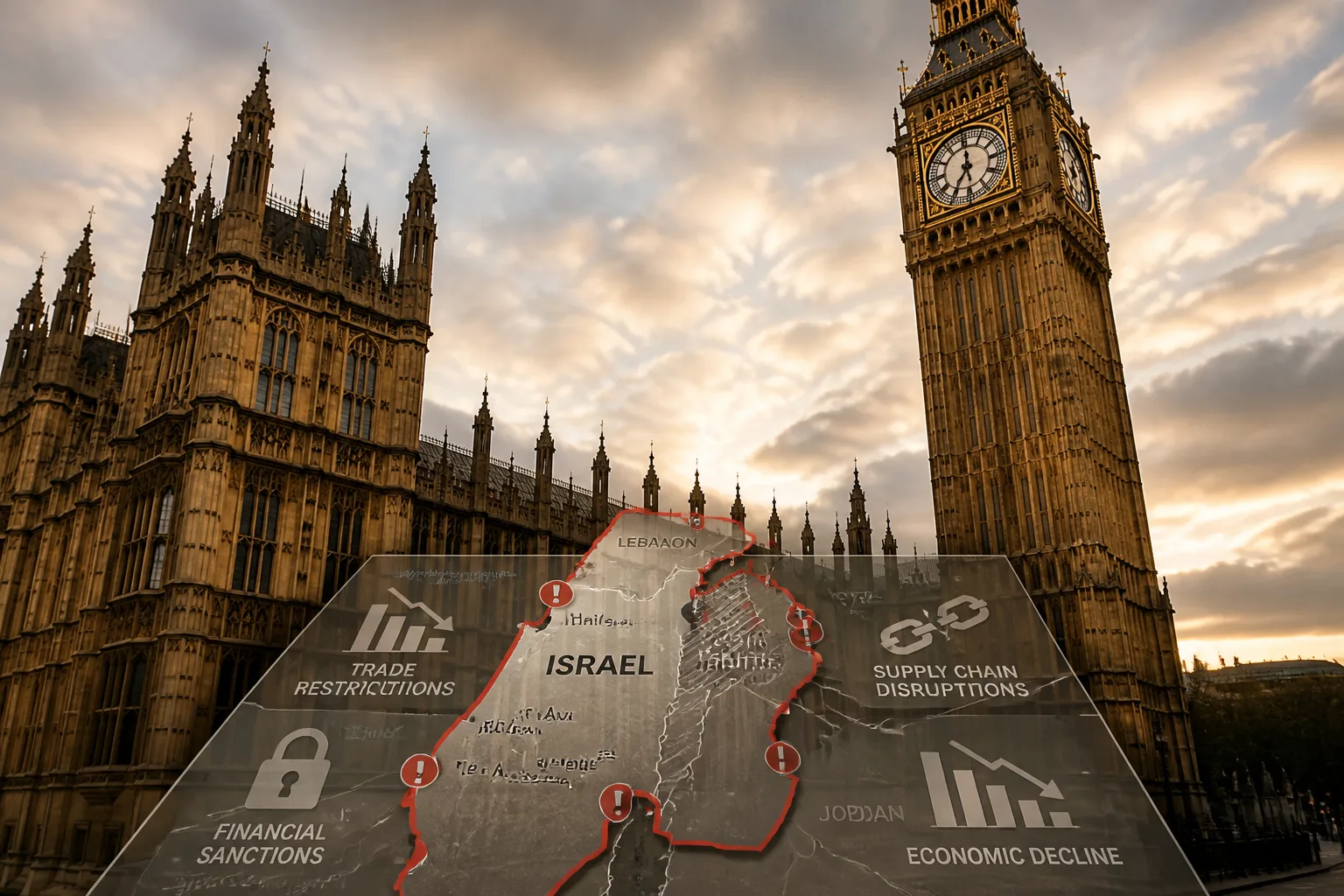
Hermer, who has a background in human rights law, has repeatedly stated that the UK should uphold international law. In a speech last week, he said, “the UK should stand firmly by international law.” He has also defended the government’s actions, citing the suspension of dozens of arms export licences to Israel, sanctions on Israeli ministers, and the UK’s support for the International Criminal Court’s arrest warrants against Israeli officials.
Despite these measures, critics argue that the UK’s response to Israel has been muted compared to its response to Russia. Hugh Lovatt of the European Council on Foreign Relations said, “If Starmer’s Britain had been stronger in their language towards Israel, that could have made a difference.” Sir Vincent Fean, former Jerusalem honorary consul, added that the UK should apply the same standards to both conflicts.
The International Court of Justice’s advisory opinion, which declared Israel’s occupation of Palestinian territories captured in 1967 unlawful, has also been a point of contention. Yvette Cooper, the Foreign Secretary, told the parliamentary foreign affairs committee that Britain would “take our own decisions about how we abide by international law” while respecting the ICJ opinion. She hinted at new sanctions aimed at deterring the construction of the illegal E1 settlement in the West Bank.
The UK’s military has conducted surveillance flights over Gaza, reportedly 200 since December, to assist in locating hostages taken by Hamas. Ministers have declined to provide details, citing national security. The flights have raised questions about the extent of the UK’s support for Israel.
The Labour Party’s Middle East Council, led by Miran Hassan, has called the UK’s approach a missed opportunity to lead globally. Hassan noted a “lack of experience within the immediate No 10 team” on Middle East policy and suggested that the UK’s alliance with Israel influenced its reluctance to criticize.
With Starmer’s resignation announced in June 2026, the government is expected to be succeeded by Andy Burnham on 20 July. Burnham has signalled a potential shift, including a possible ban on imports from illegal settlements and stronger sanctions on senior Israeli officials.
The debate over double standards reflects broader questions about the UK’s role in international law and Middle East diplomacy. While the government has taken steps such as suspending arms licences and imposing sanctions, critics argue that these measures have not matched the intensity of the UK’s condemnation of Russia’s actions.
As the UK prepares for a new leadership, the international community will watch how the incoming administration balances its commitments to allies, human rights, and the rule of law in the complex geopolitical landscape of the Middle East and Eastern Europe.