Bahrain Sounds Air Raid Sirens for Fifth Time Amid US-Iran Escalation
On Saturday, the Kingdom of Bahrain activated its air‑raid sirens for the fifth time in a matter of weeks, a stark reminder of the escalating tensions that have rattled the Gulf.
The Interior Ministry posted a calm‑to‑calm warning on X, urging residents and citizens to seek the nearest safe place while the sirens blared.
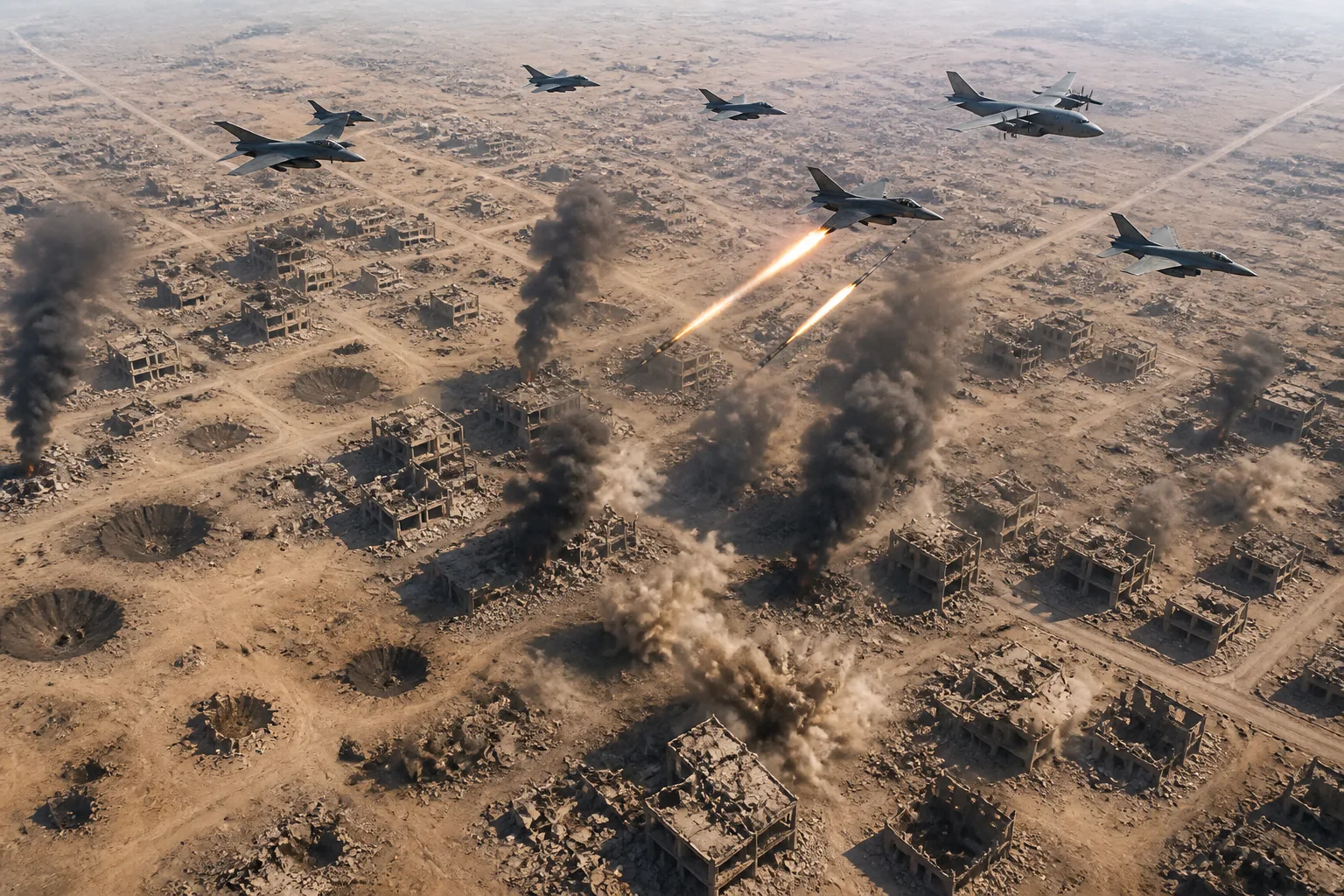
The sirens were triggered by a wave of Iranian strikes that began on 28 February 2026, when the Islamic Republic launched a coordinated missile and drone assault on the U.S. Naval Support Activity in Manama. The base—home to the headquarters of U.S. Naval Forces Central Command and the U.S. Fifth Fleet—was hit along with other U.S. assets in Bahrain, Kuwait, Jordan and Qatar. The attacks were retaliation for a joint U.S.–Israel strike on Iranian targets earlier in the month.
Since that initial assault, Bahrain has reported three fatalities and more than 51 injuries linked to the hostilities. The Interior Ministry’s latest alert follows similar warnings issued after attacks on 1 March, 10 June and 6 July, each time calling on civilians to seek shelter. The repeated sirens underscore the sustained threat posed by Iranian missile and drone activity.
The escalation comes as the United States and Iran have been locked in a high‑intensity conflict that began with the U.S. and Israel’s operation against Iranian military sites in February. Iran’s response has focused on striking U.S. forces and allied infrastructure across the Gulf, with the 2026 Iranian strikes on Bahrain proving the most damaging to U.S. naval assets in the area.
In June, a memorandum of understanding mediated by Pakistan and Qatar was signed to extend a ceasefire and lay the groundwork for a final settlement. Although intended to halt hostilities, the agreement has not prevented further Iranian attacks on Bahrain. The Interior Ministry’s repeated siren alerts highlight the fragility of the ceasefire and the continued volatility of the Gulf.
Bahrain’s strategic position—situated between Qatar and Saudi Arabia and linked to the mainland by the King Fahd Causeway—makes it a key staging point for U.S. naval operations in the Persian Gulf. The U.S. Fifth Fleet’s presence enables the United States to project power throughout the Gulf, Arabian Sea, Red Sea and surrounding waters. The attacks on the naval base have prompted the U.S. military to raise force‑protection measures, including deploying additional air‑defense assets and activating emergency response protocols.
The repeated siren alerts have also underscored the broader security concerns of Gulf Cooperation Council (GCC) members. Kuwait, Qatar and Saudi Arabia have reported increased interception of missiles and drones during the same period, and the GCC has intensified joint exercises to improve interoperability and rapid‑response capabilities.
The Interior Ministry’s message on X did not specify the exact nature of the threat that triggered the sirens, but it is widely understood to be a response to Iranian missile or drone activity detected by Bahrain’s air‑defense systems. The ministry’s call for calm and shelter is consistent with its previous advisories, which have emphasized following official channels for updates.
The situation remains fluid. While the memorandum of understanding provides a framework for de‑escalation, the continued activation of air‑raid sirens suggests that hostilities are still ongoing. Bahrain’s government has reiterated its commitment to protecting its citizens and maintaining the integrity of its national security apparatus.
In the broader context, the U.S.–Iran conflict has strained diplomatic relations across the Middle East. Several Gulf states have expressed concern over the potential for spill‑over effects, and international observers are monitoring the situation closely as it could impact regional stability, maritime security and global energy markets.
The latest siren activation serves as a reminder that the conflict between the United States and Iran remains unresolved, and that Bahrain continues to be a focal point for both U.S. military operations and Iranian retaliation.
The Interior Ministry has not announced any changes to its emergency protocols beyond the current advisories. The next steps will depend on the evolving security environment and any further developments in the ceasefire negotiations.
The Kingdom of Bahrain remains on high alert as the international community watches for any escalation that could affect the broader Gulf region.