Belgium Approves Import Ban on Goods from Occupied Palestinian Territories Amid Gaza Conflict
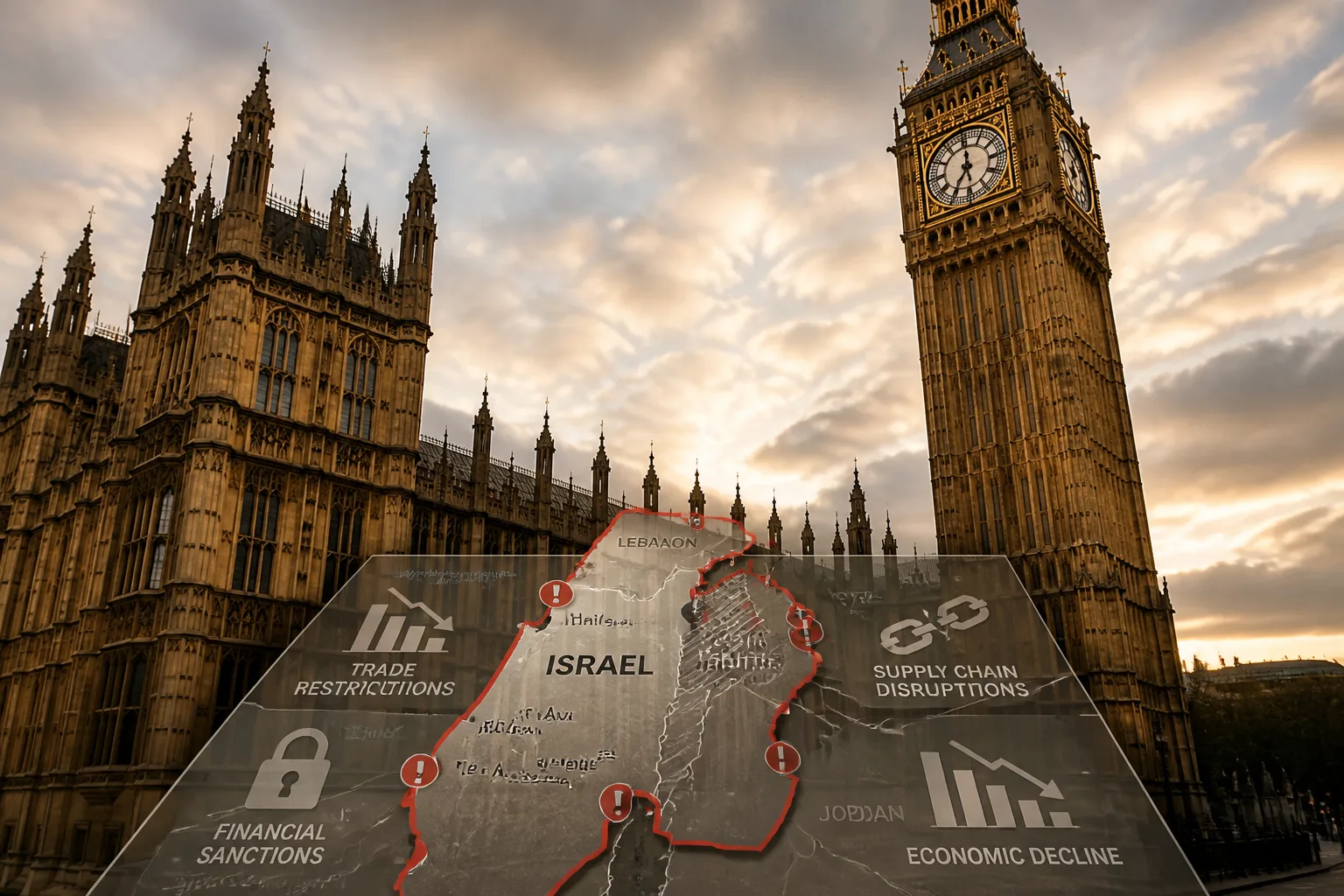
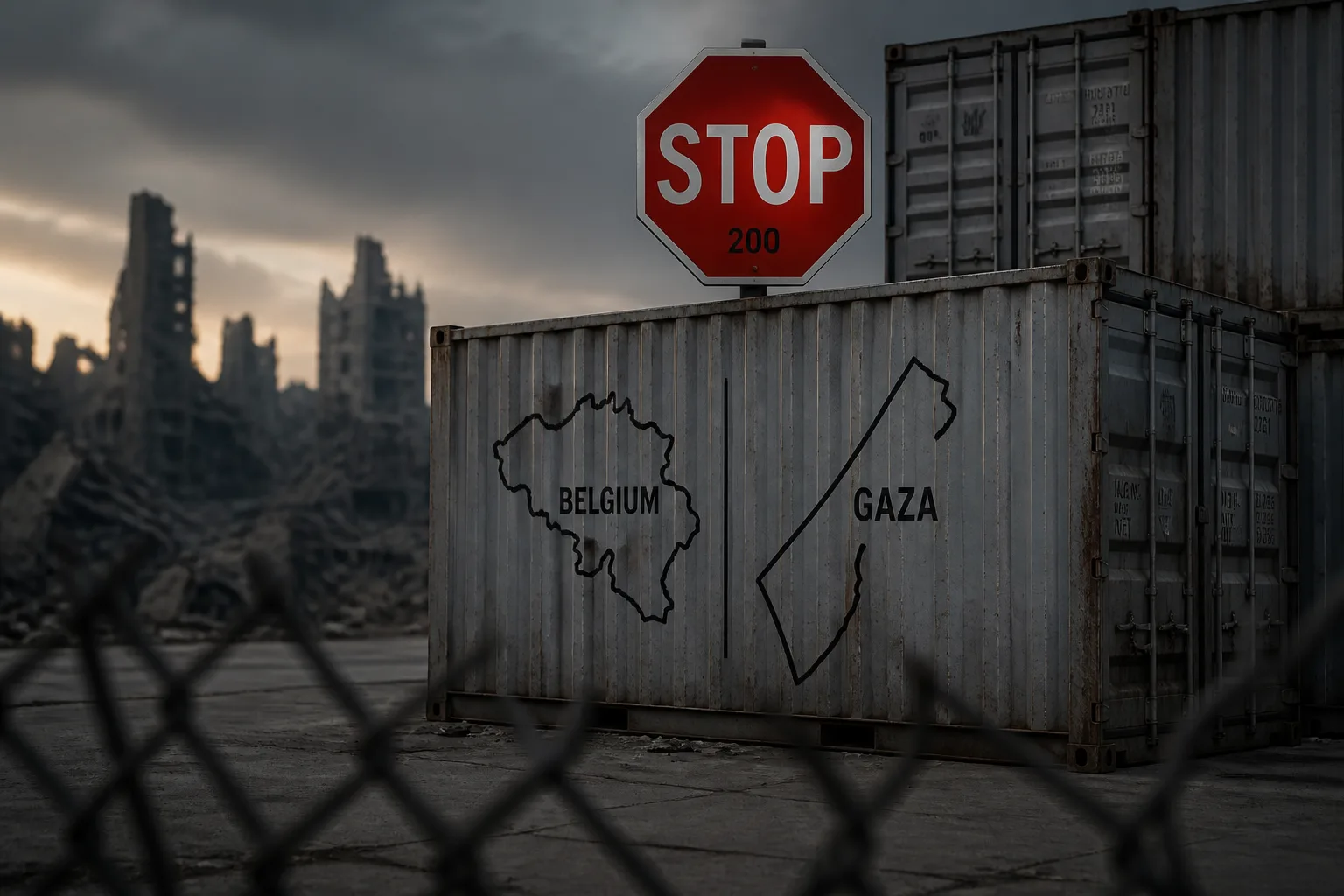
On 18 July 2026, the Belgian federal government announced a sweeping import ban on goods originating from the occupied Palestinian territories, a decision taken in its final meeting before the summer recess. The ban, part of a broader sanctions package that also includes an arms embargo and a prohibition on imports from Israeli settlements, was adopted in response to Israel’s military offensive in Gaza and the escalating civilian toll.
Under the measure, any product produced in the occupied Palestinian territories—covering goods manufactured in Israeli settlements—will be barred from entering Belgium. The policy aligns with similar legislation pursued by the Netherlands and signals a growing European effort to pressure Israel over its conduct in Gaza.
According to the Gaza Health Ministry, Israeli cease‑fire violations that began on 10 October 2025 have already killed more than 1,100 Palestinians and injured over 3,600. The ministry also reports that since the start of the Israeli campaign in October 2023, more than 73,000 Palestinians have been killed and over 173,000 wounded, with roughly 90 % of the enclave’s civilian infrastructure destroyed.
Belga News Agency notes that the Belgian government has not yet finalized the details of how the ban will be implemented. Customs authorities are expected to enforce the prohibition, and penalties for non‑compliance are likely to be established once the regulatory framework is complete. The government has indicated that it will coordinate with European partners to ensure consistency with any EU‑wide sanctions that may be adopted.
The import ban will affect Belgian companies that source products from the occupied territories, including firms operating in Israeli settlements. It may also influence the trajectory of EU policy on sanctions against Israel, as Belgium seeks to align national measures with broader European action.
While the ban is a clear statement of Belgium’s stance on the conflict, the government has not issued a public statement outlining its specific motivations beyond compliance with international law and humanitarian concerns. The decision is expected to be welcomed by Palestinian authorities and opposition groups, and it may prompt a response from Israeli officials and pro‑Israel lobby groups.
Belgium’s next steps will involve finalizing enforcement mechanisms, monitoring compliance, and engaging with EU institutions to determine whether a coordinated sanctions regime will be adopted. The import ban reflects Belgium’s continued engagement in the diplomatic and humanitarian dimensions of the Gaza conflict and signals a willingness to use trade policy as a tool of international pressure.
In summary, Belgium’s import ban on goods from the occupied Palestinian territories represents a significant policy shift amid ongoing hostilities in Gaza. Implementation details remain to be finalized, and the measure will be monitored closely by Belgian authorities and international partners as part of the broader European response to the conflict.