Cairos Recycling Boom Fuels as Iran War Disrupts Global Plastic Supply
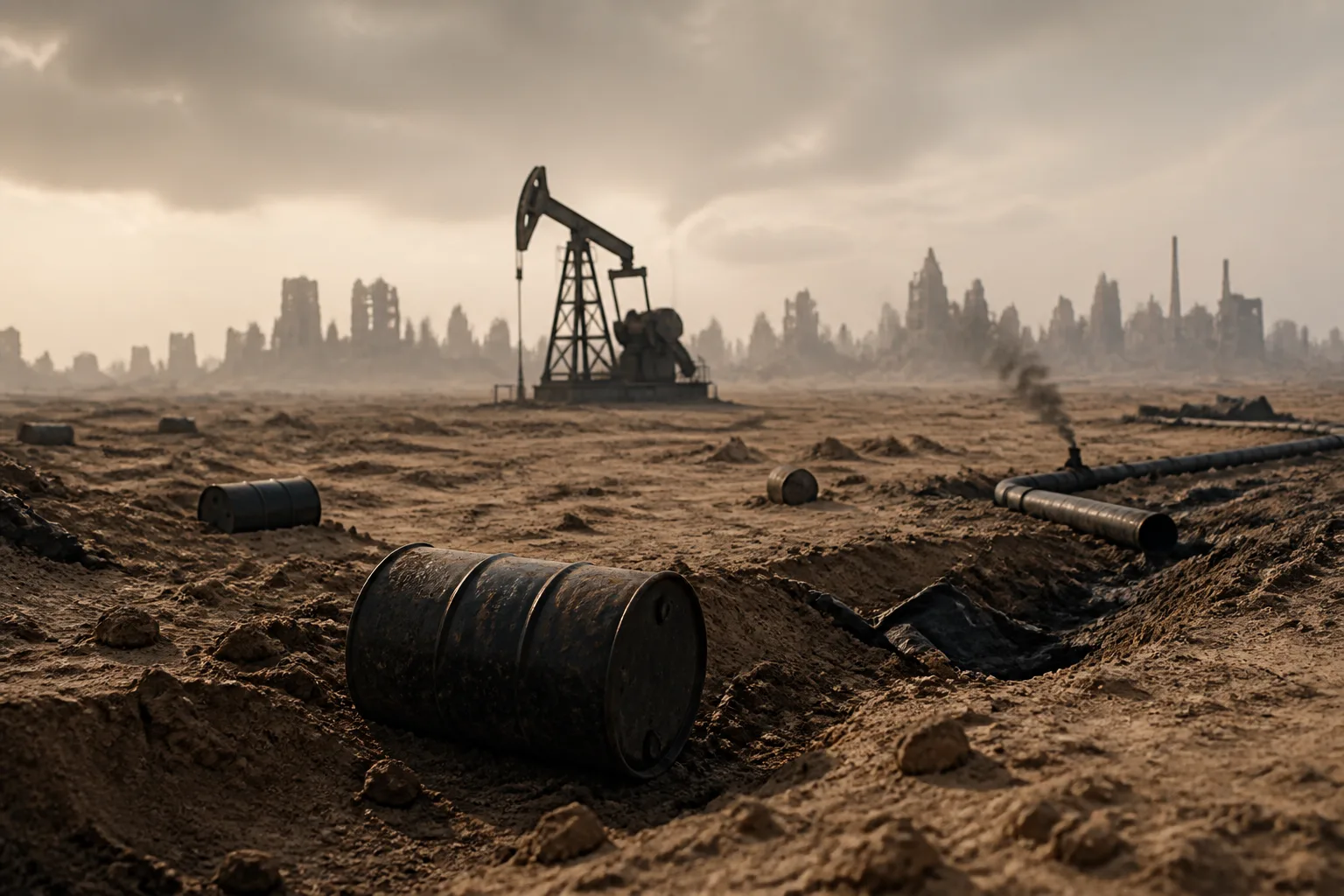
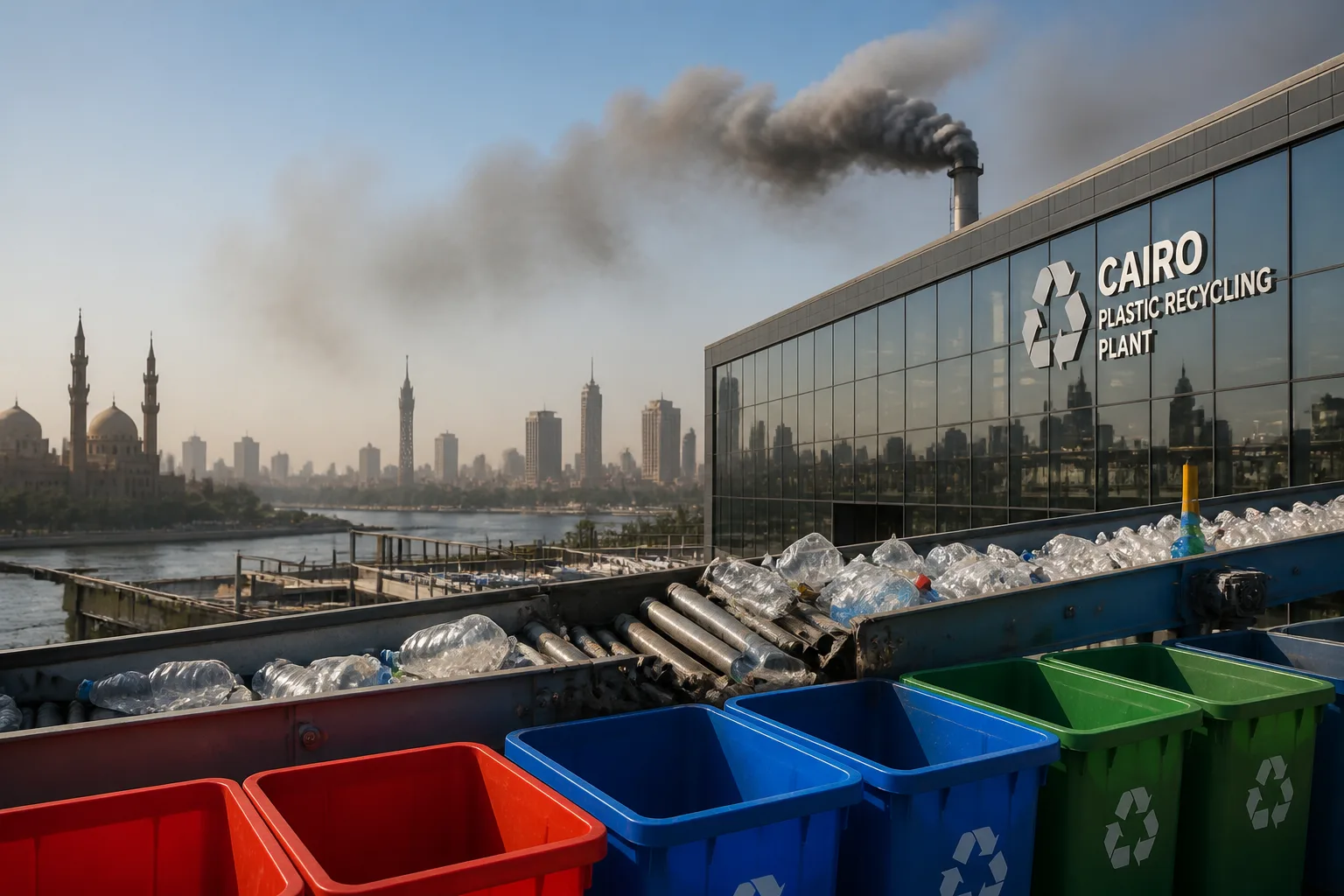
When the United States and Iran opened a blockade of the Strait of Hormuz in early 2026, the informal recycling sector in Cairo’s Manshiyet Nasser settlement surged into the spotlight. Recyclers who once sold their sorted waste to factories are now fielding frantic calls from manufacturers desperate for polyethylene and PET to replace raw materials that have become scarce.
The conflict’s impact was immediate. The Strait of Hormuz, through which roughly 85 % of the Middle East’s polyethylene exports pass, closed, and Egypt’s share of imported raw plastic—about 40 % of its total—fell from Gulf states, Europe, China and South Korea. Shipping lanes shut, prices doubled in some cases, and factories turned to local sources.
Manshiyet Nasser sits beneath Mokattam hill and houses more than 115,000 residents. According to government figures, it processes over a third of Cairo’s waste. The community’s informal recycling network, known as the Zabbaleen, has long handled up to 80 % of the city’s garbage. Families live in close proximity to waste piles, exposing them to odors, fumes and health risks, yet they operate a sophisticated system of handcarts, shredders and baling presses.
Recycling specialist Peter Romany, 25, noted the role reversal: "Before the war, we were the ones calling factories, trying to sell our material," he said. "But after the war broke out, the factories started calling us. They’d ask: How much do you have? Can you deliver today? That never used to happen."
Factories that normally delayed payment now offer cash upfront to secure material. Rizq Yousif, who recycles PET for beverage and food packaging, said demand for his product has tripled and prices for some recycled plastics have risen by up to 60 %. "We’re used to it by now," Yousif said. "Whenever there’s trouble there, the customers start calling us."
The boom rippled through the entire value chain. Fayrouz El‑Sayed, CEO of Sadat City Chemical Fiber Factory, which produces polyester fibers from recycled bottles, noted that the crisis opened new markets, including Brazil. Nesma El‑Areef, senior marketing and sales manager at Uflex Egypt, said orders for recycled packaging materials rose by up to 40 %.
Industry observers warn the surge may be temporary. Yousif said prices and demand eased after the United States announced last month that negotiations with Iran were progressing. "Just one post dropped the market. After the war, I am not sure this will last," he said.
However, the United States reinstated its blockade of Iranian ports and re‑asserted control of the Strait of Hormuz as fighting escalated again this week. Orders have already begun to pick up again, according to Romany and Yousif. The local recyclers have adapted to the new market conditions and are now a critical supplier for Cairo’s manufacturing sector.
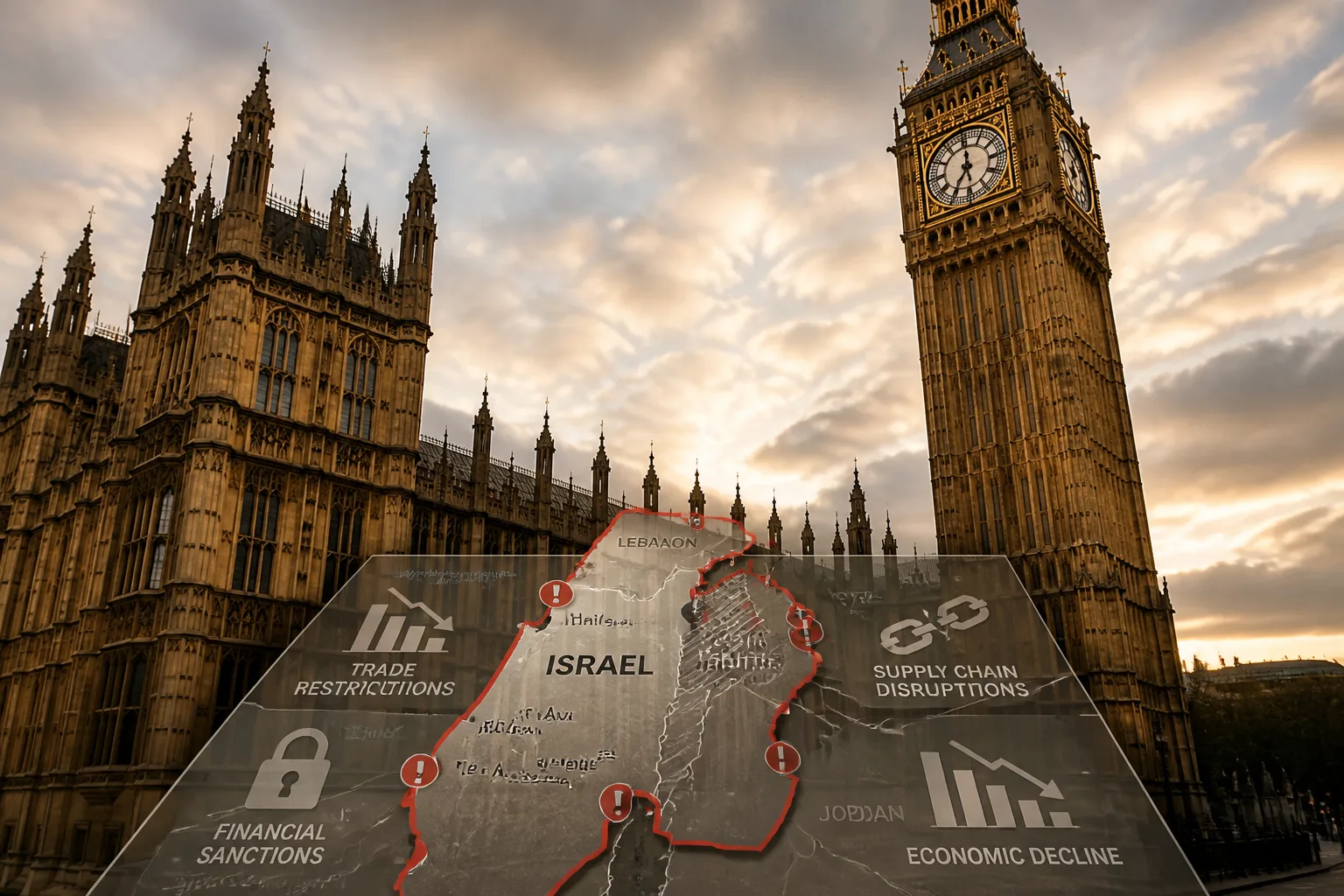
The situation underscores how regional conflicts can ripple through global supply chains, creating opportunities for informal economies while highlighting the vulnerability of industries that rely on imported raw materials. The Egyptian government has not yet issued policy changes to support the Zabbaleen, but the current demand may prompt a reassessment of the informal recycling sector’s role in national waste management.
At present, the recycling community in Manshiyet Nasser continues to operate under challenging conditions, balancing the health risks of living amid waste with the economic benefits of supplying plastic to factories. The next phase will depend on the duration of the Strait of Hormuz blockade and the broader trajectory of the US‑Iran conflict.