US Strikes on Iran Escalate as Gulf Nations Report Air-Defense Successes and Energy Plant Attacks
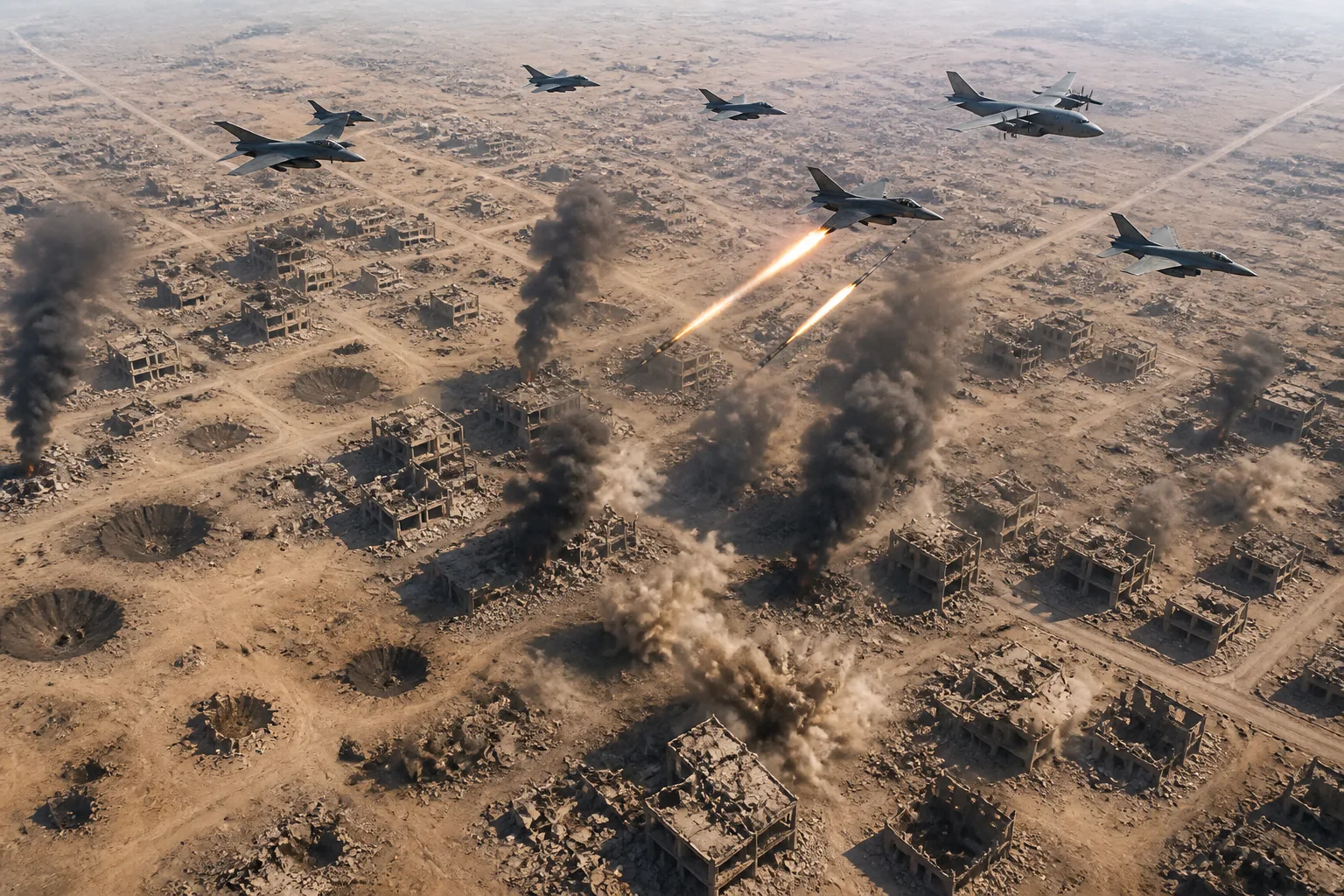
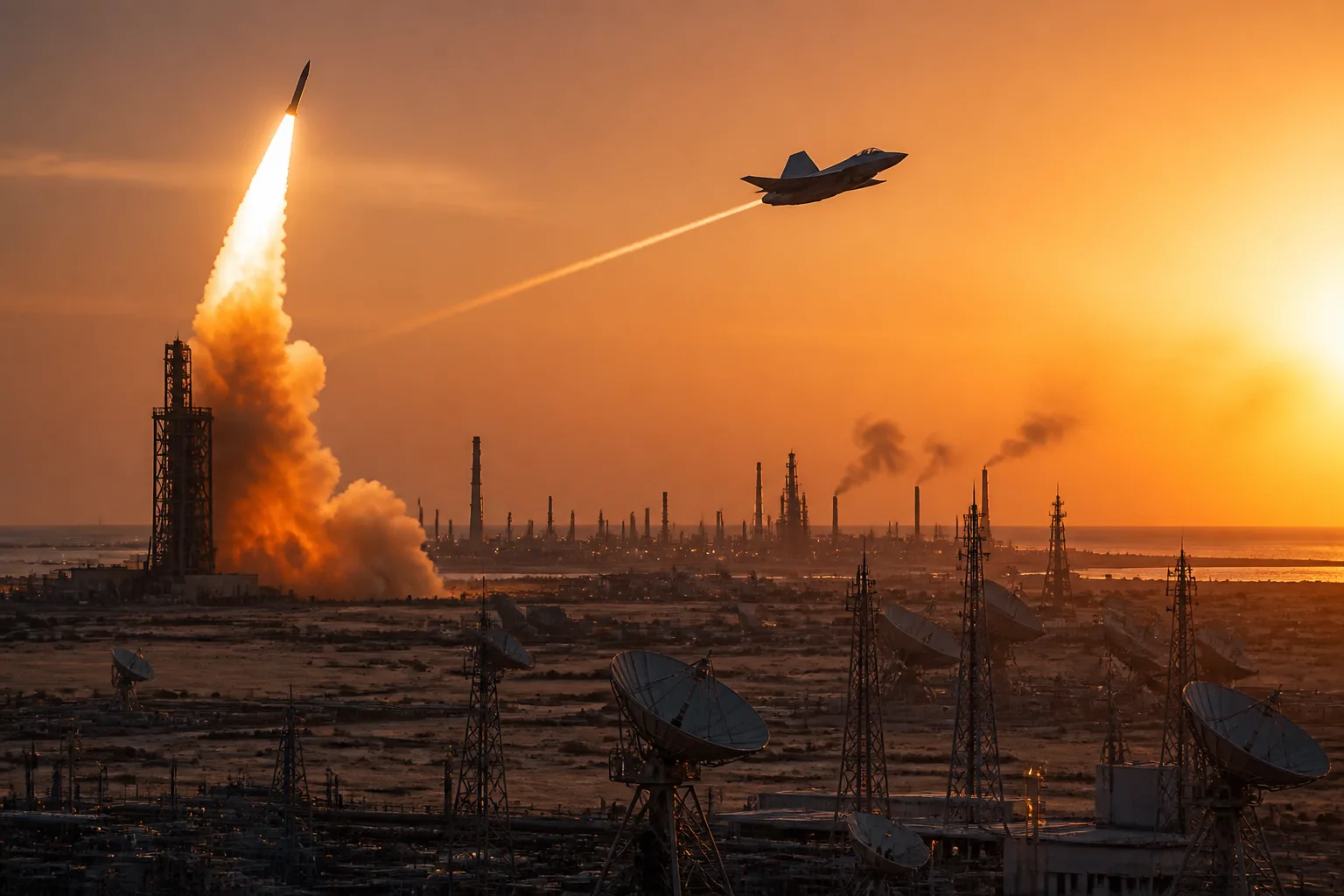
US forces carried out a seventh consecutive night of strikes on Iranian military targets on Saturday, intensifying a conflict that has already seen attacks on Gulf states and the strategic Strait of Hormuz. Bahrain’s army said its air‑defence systems intercepted a wave of Iranian attacks, while Kuwait reported a second strike on a power and water desalination plant that caused fires and the shutdown of several generation units. The United States Central Command (CENTCOM) confirmed the strikes on its social‑media channel, describing them as hits on surveillance sites, logistics infrastructure, underground weapons storage and maritime capabilities. Iran’s Revolutionary Guards (IRGC) claimed that two oil tankers passing through the Strait of Hormuz struck mines and caught fire, a statement denied by CENTCOM. The strait remains largely closed, limiting the movement of commercial vessels.
Bahrain’s army issued a statement saying its “air defence systems thwarted” the attacks and “intercepted and destroyed a number of treacherous Iranian aerial assaults.” An AFP journalist in Manama heard blasts after sirens sounded, and the Bahrain interior ministry reported that air‑raid sirens were sounded in the capital, which hosts a major U.S. naval base. The U.S. Fifth Fleet, based in Bahrain, has been a focal point of the U.S. presence in the Gulf.
Kuwait’s Ministry of Electricity and Water said that an Iranian hostile attack on a power and water desalination plant caused a fire in one of the plant’s components, leading to the deactivation of several power generation units. The Kuwait fire service posted on X that it was dealing with “two fires that erupted in two different locations” following the latest Iranian attacks, and that injuries were reported among firemen and a worker who were taken to receive care. The attack followed a similar strike the day before, marking the second consecutive day of Iranian attacks on Kuwaiti infrastructure.
According to CENTCOM’s statement on X, the U.S. forces “hit surveillance sites, military logistics infrastructure, underground weapons storage and maritime capabilities” as part of a wave of strikes that marked the seventh consecutive night of operations against Iran. The statement was accompanied by a brief video showing the aftermath of the strikes.
The IRGC said that the two tankers that hit mines were directed by “deceptive American intelligence agencies” and had caught fire. CENTCOM issued a brief denial of the claim. The IRGC also said that it had “stopped” four ships attempting to transit the Strait of Hormuz. The U.S. military has not confirmed any mines in the strait.
Iran’s army announced that it had struck U.S. military targets in Kuwait and Jordan in response to the American attacks. The targets in Kuwait were tied to the Al‑Adiri camp and the Ali Al‑Salem base, while the targets in Jordan were fuel tanks at the Al‑Azraq base. Kuwait’s army posted on X that explosions might be heard as a result of “air defense systems intercepting hostile targets.” Jordan’s army said it had shot down 10 Iranian missiles with no casualties or damage.
The Iranian army also said it had targeted an air base in Bahrain used by the United States, according to state television. Air raid sirens were sounded in Bahrain, which hosts a major U.S. naval base, according to the country’s interior ministry. Bahrain and Qatar earlier said they had intercepted missiles.
Iranian state‑controlled IRNA news agency reported that U.S. strikes had killed three people and wounded eight in Hormozgan, a province in the country’s south. In the central Iranian city of Yazd, five explosions were heard shortly after the U.S. strikes were announced, according to IRNA. Mehr, another state‑controlled agency, reported explosions “in several provinces in the south” of the country.
Tehran threatened to resume “full‑scale offensive operations” if U.S. strikes continue over the coming days, Major General Mohsen Rezaei said, according to state‑controlled news agency IRIB. “Iran will no longer limit itself to retaliatory, like‑for‑like responses… and no political border will be safe,” he said. Iran accused U.S. forces of targeting civilian infrastructure, including an airport, a railway station and two bridges, and said it had struck U.S. assets across the region. President Donald Trump has threatened to hit Iranian infrastructure, but there was no confirmation from the U.S. side.
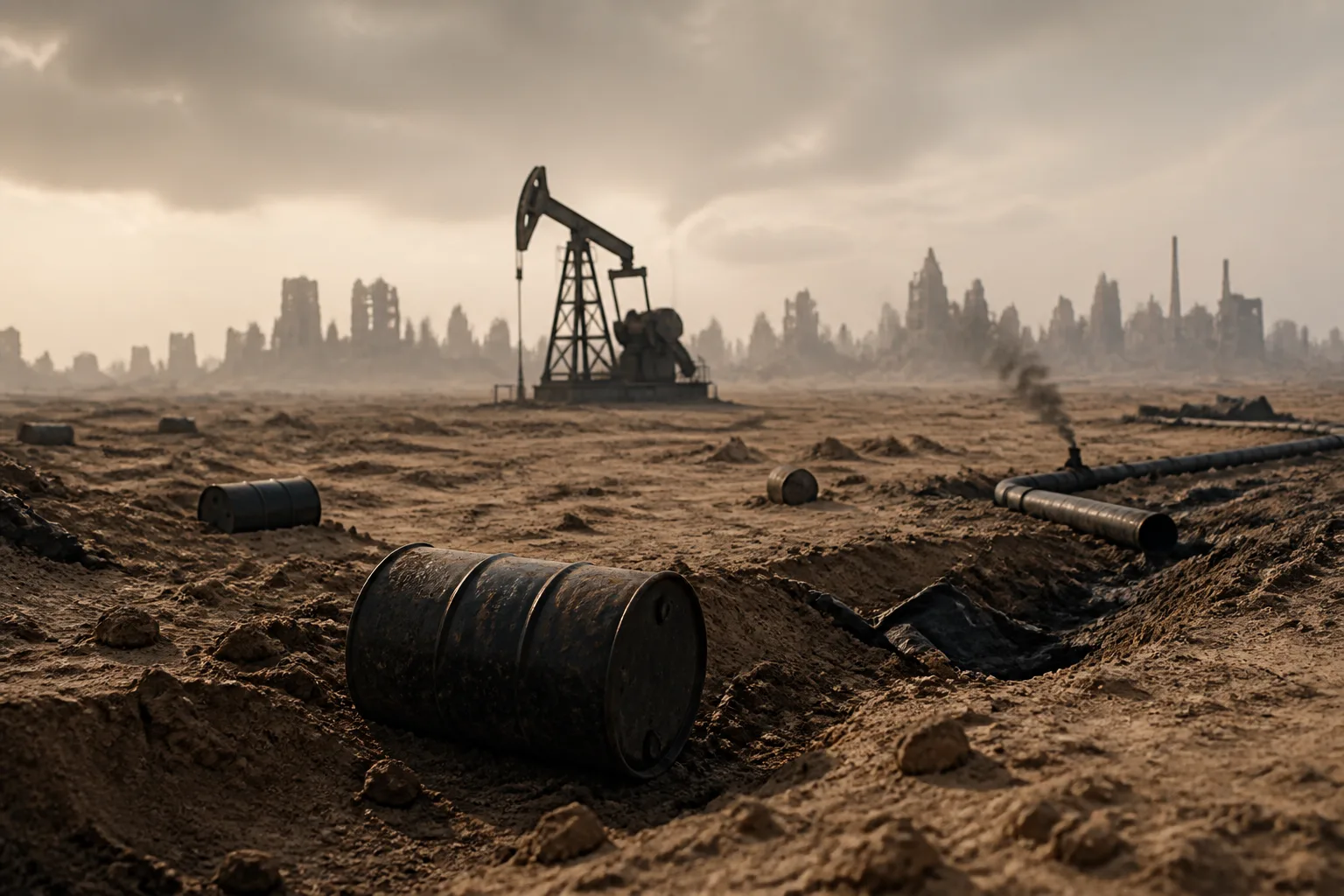
The conflict has already drawn attention to the vulnerability of energy infrastructure in the Gulf. Kuwait’s attack on its own power plant and the Iranian strike on the same facility highlight the risk to civilian utilities. The Strait of Hormuz, which provides the only maritime route from the Persian Gulf to the open ocean, remains largely closed, affecting the flow of oil and natural gas. The U.S. and its allies have repeatedly warned that any further escalation could disrupt global energy supplies.
The latest developments underscore a sharp escalation in hostilities between the United States and Iran, with Gulf states reporting air‑defence successes and Iranian attacks on critical infrastructure. The situation remains fluid, and further strikes or retaliatory actions are possible as both sides prepare for the next phase of the conflict.