Andy Burnhams Ascension Signals a Sharper UK Stance on Israel-Gaza Conflict
On 20 July 2026, Andy Burnham will assume the premiership of Britain, following his victory in the Labour Party leadership contest on 17 July. His ascent was sealed by a recent by‑election win in Makerfield, securing the Commons seat that legitimises his role as party leader. A former mayor of Greater Manchester and former health secretary, Burnham boasts an extensive domestic portfolio, yet his track record in foreign affairs remains limited.
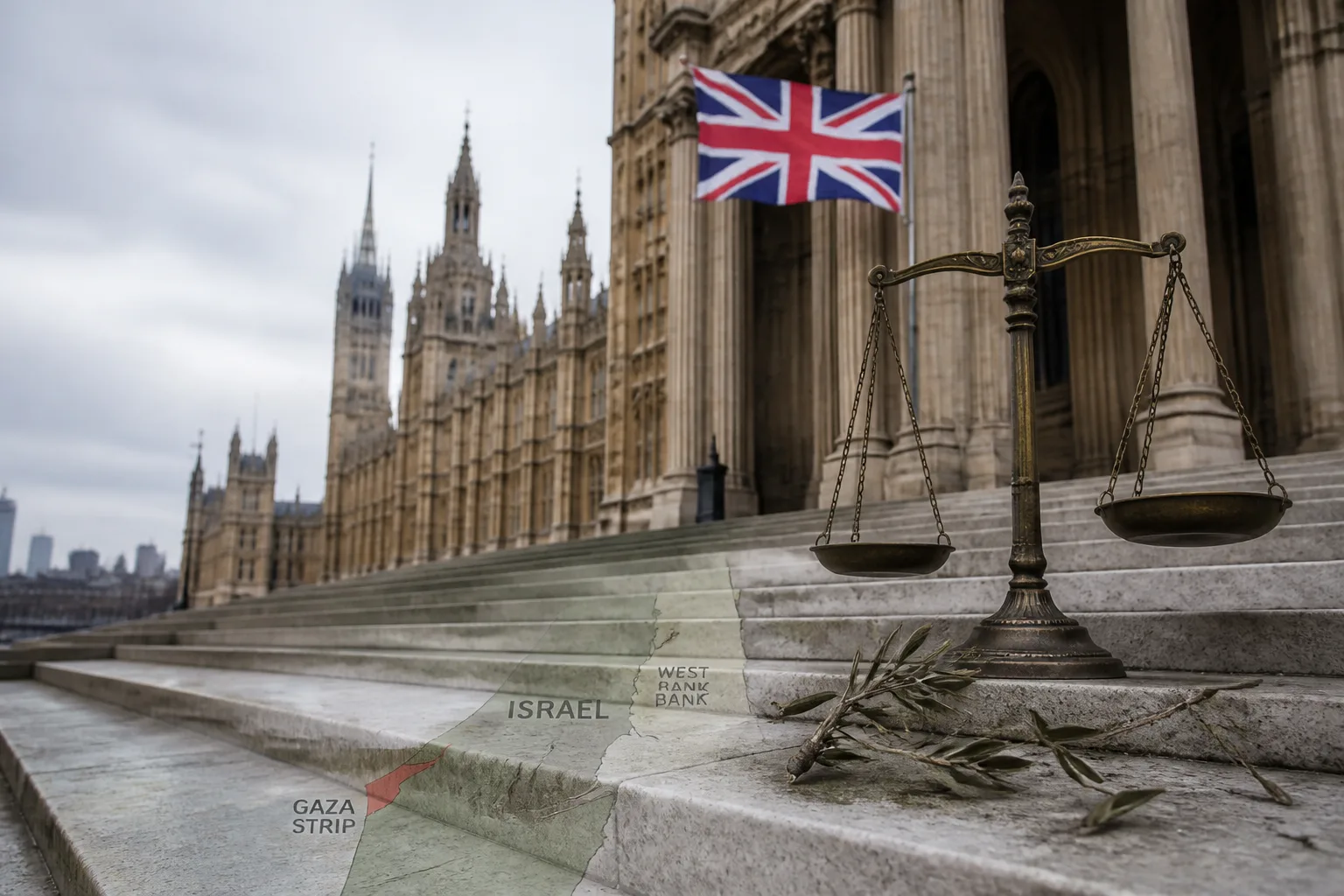
Immediately after taking office, Burnham turned his attention to the Gaza conflict that erupted on 7 October 2023. He denounced the Hamas assault, issued an apology for Labour’s delayed reaction, and admitted that the party had “not gotten it right” and that Britain had been too slow to demand a ceasefire. Emphasising the need for stronger pressure on Israel, he cited “increasing evidence” that war crimes may have occurred in Gaza, while reserving any genocide designation for the purview of international tribunals.
The remarks signal a clear departure from Sir Keir Starmer’s earlier stance, which underscored Israel’s right to self‑defence and opposed urgent ceasefire demands. While pro‑Palestinian organisations lauded Burnham’s candidness, British Jewish leaders cautioned that his comments could fuel antisemitism. Burnham counters that criticism of Prime Minister Benjamin Netanyahu’s administration is compatible with a zero‑tolerance policy on antisemitic behaviour.
Burnham’s engagement with Israel‑Palestine matters dates back before the Gaza war. In 2012, he joined a parliamentary delegation to the West Bank, where he later challenged the feasibility of a Palestinian state in the face of expanding settlements. His 2015 Labour leadership bid saw him champion Palestinian statehood, label settlements as illegal and immoral, and reject a sweeping boycott of Israel, instead advocating targeted sanctions against settlement‑produced goods.
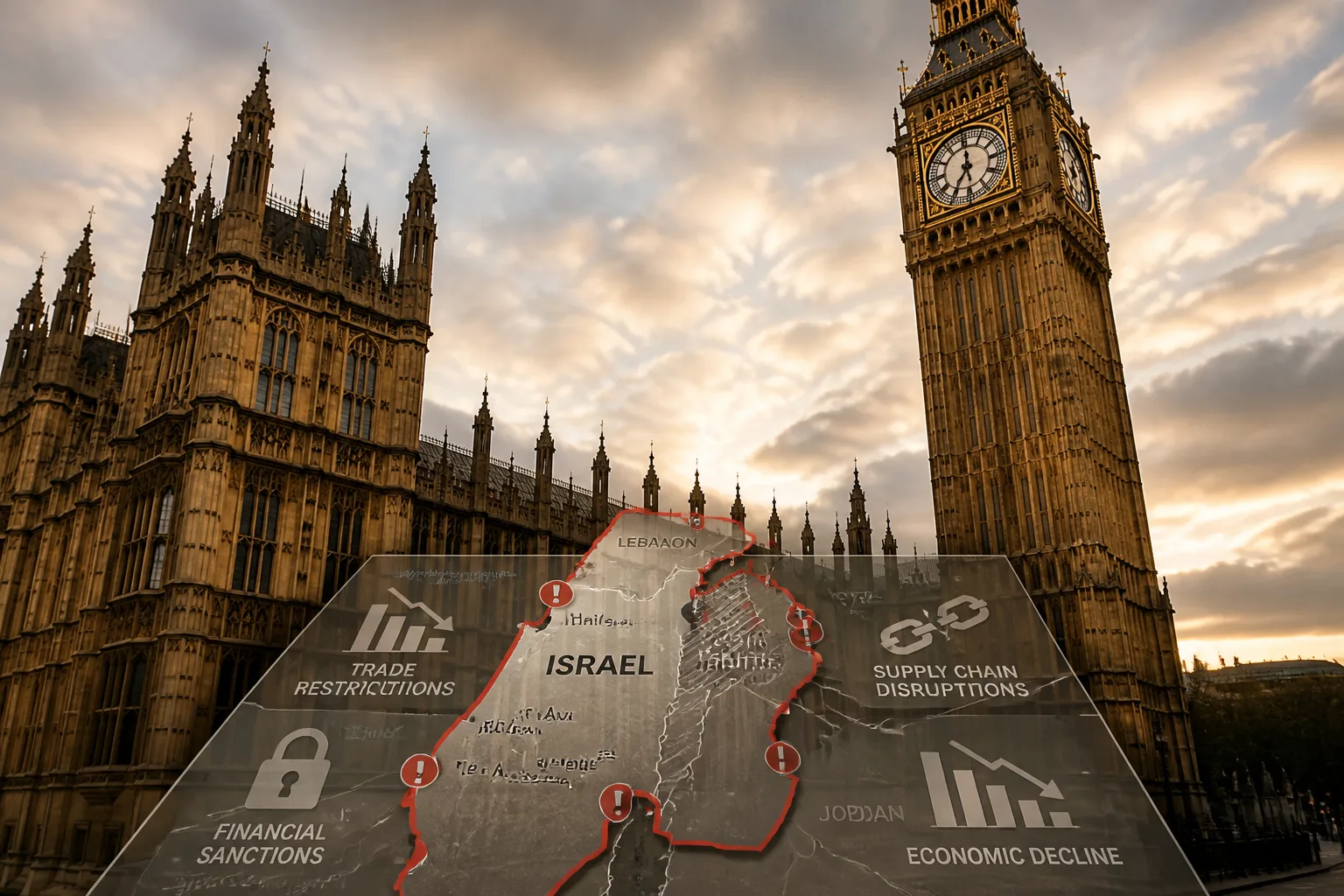
Regarding sanctions, Burnham has expressed openness to applying targeted economic pressure on individuals or entities implicated in violence and to contemplate banning trade in products manufactured in Israeli settlements. Nonetheless, he has yet to unveil a sweeping sanctions framework or a fresh trade accord with Israel.
Burnham’s foreign‑policy résumé features a 2003 vote endorsing Britain’s involvement in the Iraq war, followed by a vote against multiple inquiries into that decision. In 2013, he supported a more cautious stance on possible military intervention in Syria, insisting on additional UN deliberation before deploying British forces.
A clear policy on Iran remains absent. Burnham has cited Iran and the worsening global security climate to justify bolstering armed forces and domestic defence manufacturing, yet he has not articulated a position on Tehran’s nuclear programme, sanctions, or the prospect of military conflict. The intensifying US‑Iran standoff may compel him to clarify these matters sooner.
Likewise, Burnham has yet to outline a specific policy toward the Gulf states, Syria, or Lebanon. Britain’s current ties with Saudi Arabia, the United Arab Emirates, Qatar, Bahrain, Oman, and Kuwait rest on defence collaboration, intelligence sharing, trade, and energy, and are unlikely to shift dramatically under his leadership.
He has also signalled no intention to erode Britain’s strategic bond with Washington. Though he may diverge from President Trump on particular Middle‑East initiatives, NATO commitments, intelligence collaboration, nuclear policy, and the overarching US‑UK security framework constrain significant deviation.
In short, Burnham’s initial foreign‑policy cues suggest a government ready to scrutinise Israel’s actions in Gaza, elevate Palestinian rights in public discourse, and experiment with targeted economic pressure, all while preserving established diplomatic and defence ties with the United States and Gulf allies. How far these stances will shift remains to be seen as he assumes office and confronts the realities of governance.