Lebanese President Joseph Aoun Meets U.S. Secretary of State Marco Rubio in Washington Ahead of Trump Visit
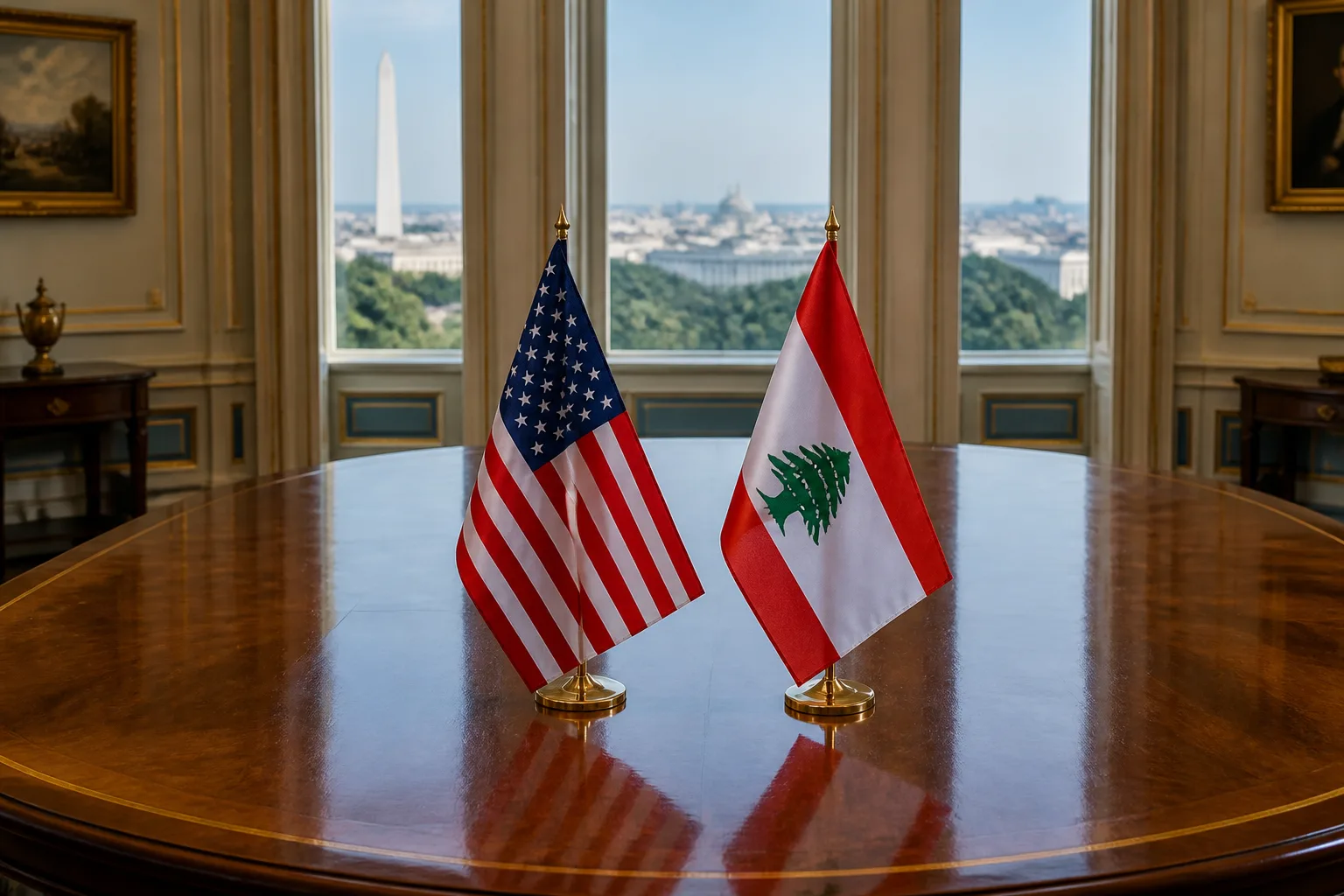
On Sunday, July 19 2026, Lebanese President Joseph Aoun landed in Washington, D.C., to meet U.S. Secretary of State Marco Rubio at the State Department. The encounter marked the first time a Lebanese head of state had travelled to the U.S. capital since former President Michel Sleiman was received by President Barack Obama in 2009.
Rubio praised Lebanon’s “determined effort to reclaim sovereignty, disarm Hezbollah and dismantle its terrorist infrastructure, and move toward peace,” according to a State Department readout. The comments followed the latest round of Lebanon‑Israel talks, which concluded in Rome on June 25. Those talks built on a framework agreement signed in Washington on June 26 that called for the Israeli military to withdraw from southern Lebanon and for the Lebanese army to deploy in two pilot zones. The agreement also requires Hezbollah to end hostilities and withdraw from the south, a condition that the group has rejected.
Aoun is scheduled to meet President Donald Trump on Tuesday, a meeting that follows the U.S. president’s invitation. The visit is part of a broader U.S. effort to support Lebanon’s political stability amid the ongoing 2026 Lebanon war, which began on March 2 when Hezbollah launched attacks on Israel in response to the U.S.–Israeli strike that killed Iranian leaders. Israel has maintained a presence in southern Lebanon and has conducted airstrikes that have caused significant civilian casualties.
The framework agreement is a key element of the U.S. strategy to end the conflict. It establishes a trilateral Military Coordination Group for Lebanon, facilitated by the United States, to oversee implementation. The U.S. has also pledged to improve the capabilities of the Lebanese Armed Forces and to provide financial and technical assistance. However, Hezbollah’s refusal to accept the terms means the agreement remains incomplete.
The U.S. has been actively involved in the region beyond Lebanon. On Sunday, Washington carried out airstrikes against Iranian targets, a response to the first U.S. military deaths in the broader Iran‑war that began in February 2026. Those strikes were part of a series of U.S. operations aimed at preventing Iran from developing nuclear weapons and at countering Iranian influence in the Middle East.
Aoun’s visit also highlights Lebanon’s diplomatic outreach. Lebanon has been negotiating with Israel under U.S. mediation since the ceasefire agreements of April and June, which have been extended multiple times. The latest talks in Rome focused on the structure and guidelines for the pilot zones and on strengthening the ceasefire. Lebanese officials have emphasized that the country seeks a permanent resolution that restores full sovereignty and ends the occupation of its southern territories.
The U.S. State Department’s statement underscored Washington’s commitment to supporting Lebanon’s “efforts to deliver peace, economic recovery, and a better future for the Lebanese people.” This aligns with the U.S. policy of promoting stability in the Arab world, especially in countries that are key to regional security and energy routes.
The meeting between Aoun and Rubio is expected to set the agenda for the subsequent discussion with President Trump. While the U.S. has not yet announced specific policy changes, officials have indicated that the administration will continue to back Lebanon’s sovereignty and the implementation of the trilateral framework.
In summary, President Aoun’s Washington visit represents a significant diplomatic engagement for Lebanon, reflecting both the challenges of the ongoing conflict with Hezbollah and the broader U.S. strategy to foster peace and stability in the Middle East. The outcomes of the meetings with Rubio and Trump will likely influence Lebanon’s next steps in pursuing a lasting resolution with Israel and addressing the security concerns that have dominated the region.