Michigan Senate Primary Highlights Deep Democratic Divide Over Israel and Progressivism
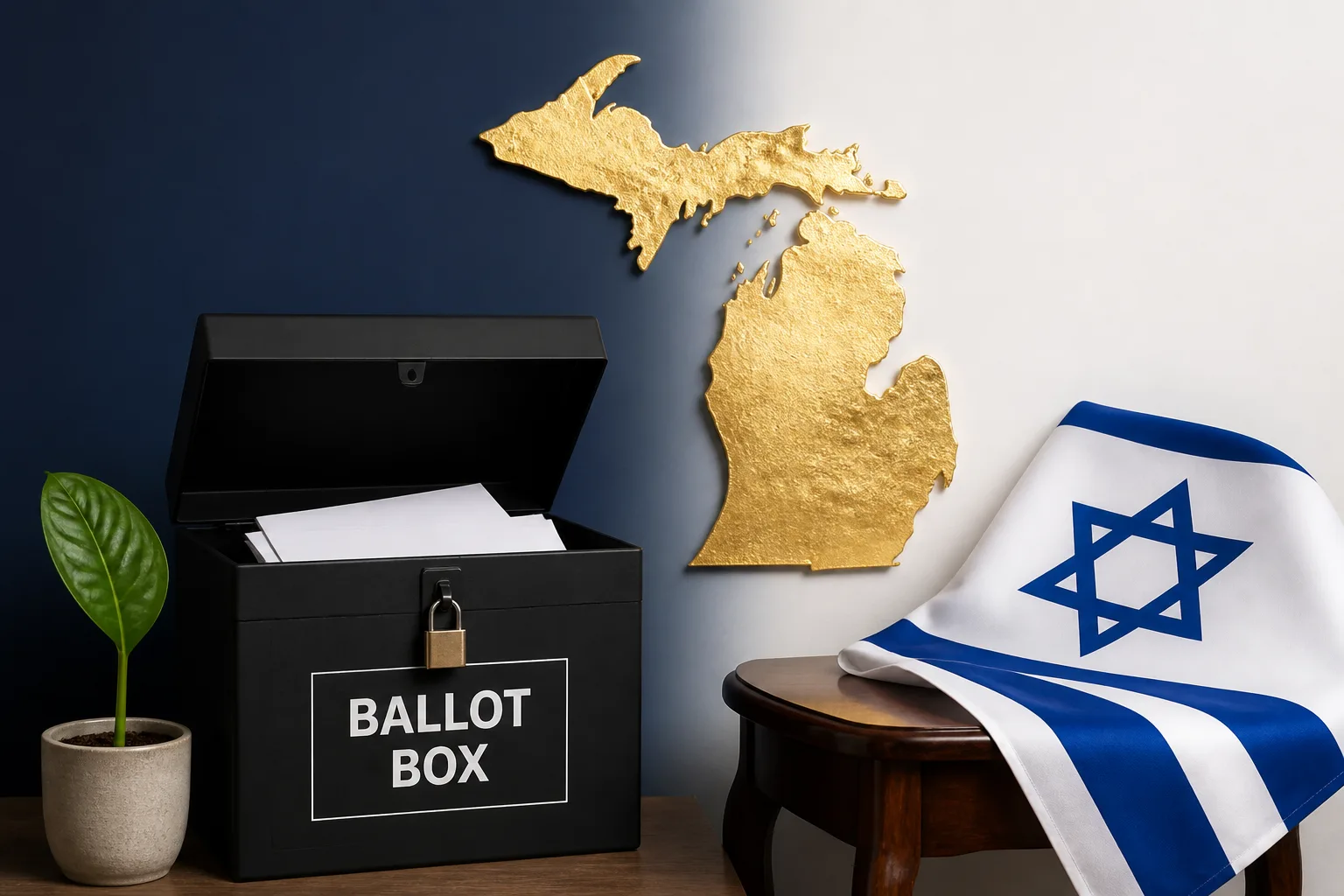
On August 4, Michigan voters will decide which Democrat will take on Republican Mike Rogers for the state’s open U.S. Senate seat. The race pits former Detroit health official Abdul El‑Sayed, a progressive who has labeled Israel’s Gaza offensive a genocide, against four‑term congresswoman Haley Stevens, a pro‑Israel Democrat backed by the party establishment and the American Israel Public Affairs Committee (AIPAC).
The seat is vacant because incumbent Senator Gary Peters announced he will not seek re‑election. Michigan is a key battleground for the 2026 mid‑term elections; Democrats need to win four Senate seats to regain control of the chamber. The primary therefore carries national significance.
El‑Sayed, an Egyptian‑American physician, has campaigned on universal health care, the abolition of ICE and a focus on domestic priorities. He has attracted endorsements from Senator Bernie Sanders, Representative Alexandria Ocasio‑Cortez and the United Auto Workers union. Stevens, who represents most of Oakland County, has emphasized lowering drug and consumer costs, expanding manufacturing jobs and supporting U.S. military aid to Israel.
AIPAC and affiliated groups have spent close to $30 million backing Stevens, the largest single investment the organization has made in a race. The spending has been described as a “battle between grassroots support and outside funding.” El‑Sayed has highlighted the disparity, noting that he is outspent 12 to 1.
The race reflects a broader rift within the Democratic Party over U.S. policy toward Israel. AIPAC’s support for Stevens has drawn criticism from El‑Sayed’s campaign, which frames the issue as a clash between “stupid wars” that AIPAC wants the U.S. to fight and the need to invest in domestic concerns.
Michigan’s demographic mix adds complexity. The state hosts a large Arab‑American population, particularly in Dearborn, many of whom lost relatives in Israeli strikes on Lebanon and Gaza. In the 2024 presidential election, some Arab Americans shifted toward third‑party candidates and Republicans, citing anger over U.S. support for Israel and cultural issues.
El‑Sayed’s campaign has relied on social‑media videos that appear authentic, avoiding traditional paid advertising. A Dearborn billboard owner, Hussein Dabajeh, noted that Stevens’ ads sometimes run twice in the same commercial break, calling the spending “counterproductive.”
Polling data shows a swing. An Emerson College poll in late July found El‑Sayed leading Stevens 54% to 39% among likely Democratic primary voters, with 6% undecided. Earlier in July, Stevens had a 48% lead over El‑Sayed’s 41%. The shift suggests growing support for the progressive candidate.
Stevens has the backing of Senate Democratic Leader Chuck Schumer, Michigan Governor Gretchen Whitmer and the party establishment. She presents herself as a pragmatic, experienced candidate who understands Michigan’s economic needs.
El‑Sayed counters that his identity—his name and Muslim faith—should not be viewed as an electoral liability. He frames his faith as part of the choices he makes daily.
The primary will also test how Democrats can appeal to white working‑class voters while reaching out to Arab and Muslim communities. Democratic strategist Jim Manley described Michigan as a “quintessential purple state” where the party must balance these constituencies.
The outcome will determine whether the Democratic nominee can unite the party’s progressive and moderate wings and whether the party can maintain its support for Israel while addressing domestic concerns. The race also signals how the party will navigate the 2026 mid‑term elections, where Republicans currently hold 22 Senate seats and Democrats 13.
The general election will be held on November 3, 2026, with the winner facing Republican Mike Rogers, who narrowly lost the 2024 Senate race to Democrat Elissa Slotkin.
The primary’s result will therefore shape Michigan’s representation in Washington and influence the broader national political landscape as the country heads into a pivotal mid‑term election.