Algeria Cuts Diplomatic Ties With UAE After Years of Tension
On 10 September 2026, Algeria announced that it would sever all diplomatic relations with the United Arab Emirates, a move that signals the end of a protracted standoff that has reverberated across North Africa and the Gulf. The decision, issued by the Algerian Ministry of Foreign Affairs, came after a series of escalating disputes that centered on the UAE’s perceived interference in Algeria’s neighbourhood and internal affairs.
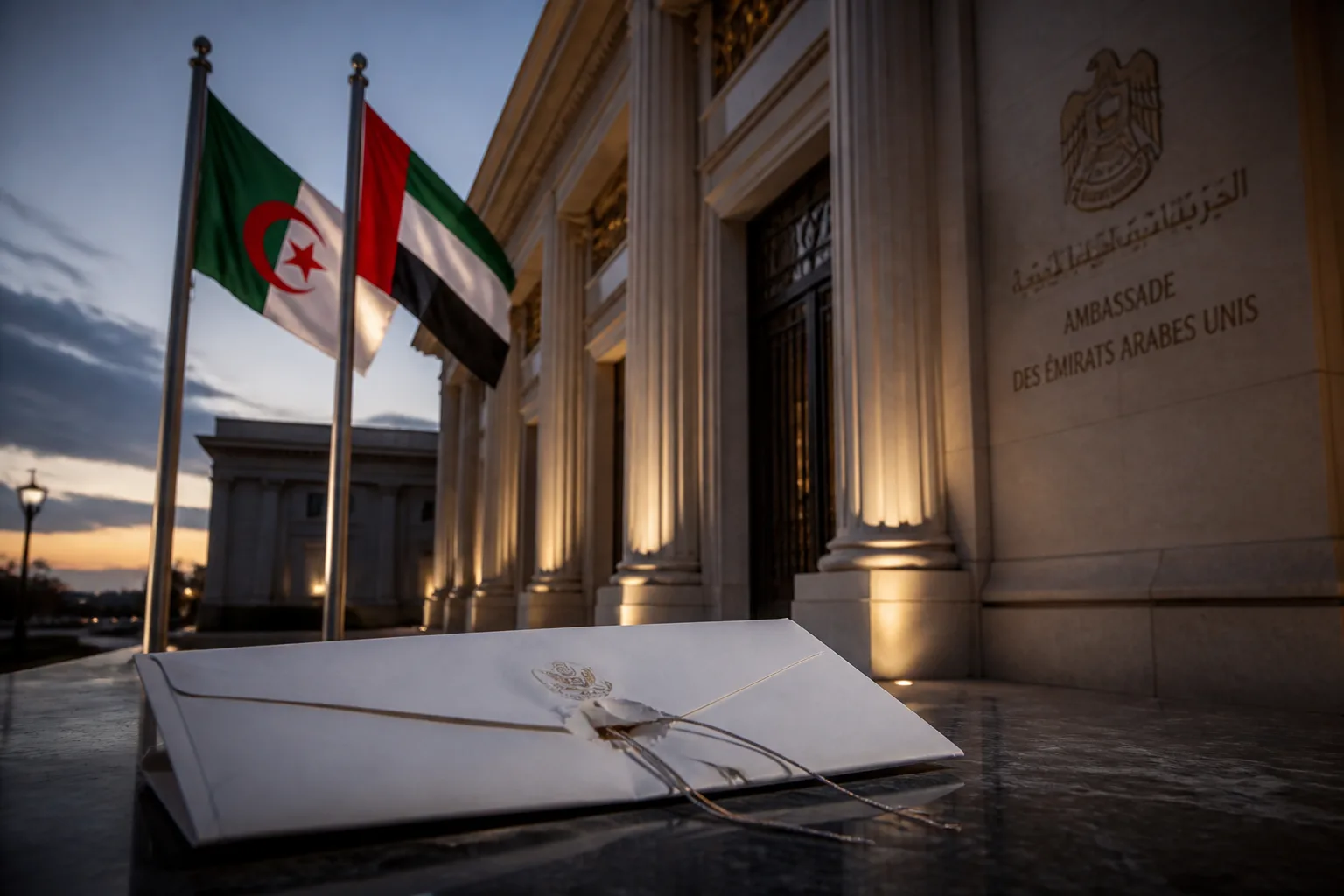
The ministry’s statement warned the UAE of the “grave consequences” of its “hostile actions” and declared that all attempts to preserve bilateral ties had been exhausted. The UAE ambassador in Algiers was given a 48‑hour window to leave the country, a formal notice that underscores the severity of the rupture.
The break follows a cascade of diplomatic steps that have strained relations for months. In February 2026, Algeria formally cancelled its 2013 air‑services agreement with the UAE, a move widely read as retaliation for the Gulf state’s expanding military footprint in Libya, Mali and Niger. The UAE’s earlier withdrawal from OPEC in 2026 was dismissed by President Abdelmadjid Tebboune as a “non‑event.” Algeria has also opposed the UAE‑led normalization of relations with Israel, a policy adopted by the UAE and Morocco but rejected by Algiers.
Algerian officials have repeatedly accused the UAE of backing separatist and authoritarian movements that threaten regional stability. The ministry cited the UAE’s support for Khalifa Haftar’s forces in eastern Libya, the Rapid Support Forces militia in Sudan, and the southern separatist movement in Yemen. It also warned of Emirati contact with the Movement for the Autonomy of Kabylie (MAK), which Algiers designates as a terrorist organisation. Analysts note that the UAE’s “axis of secessionists” – from Haftar to the RSF – is perceived by Algiers as a direct threat to its national unity and sovereignty.
President Tebboune’s remarks over the past year have underscored the depth of Algeria’s concerns. He has described the UAE as a “small state” that “stirs trouble” wherever conflict exists, citing Mali, Libya and Sudan as examples. In a televised address, he said, “Wherever there is conflict, the money of this state is there.” The ministry’s wording that the decision came after “exhausting all means” to preserve relations signals that Algeria viewed the UAE’s actions as a cumulative breach rather than a single incident.
The diplomatic break will have immediate practical effects. Algerian diplomatic staff in the UAE will be withdrawn, and the UAE’s embassy in Algiers will be closed. The cancellation of the air‑services agreement will affect passenger and cargo flights between the two countries, potentially disrupting trade and tourism links. On a broader scale, the move may influence Algeria’s stance in regional disputes, particularly the Western Sahara conflict, where the UAE has supported Morocco’s position. It also signals Algeria’s willingness to confront Gulf states that it perceives as destabilising actors in the Sahel and North Africa.
At present, the Algerian government has not announced any further diplomatic initiatives with the UAE. The decision is effective after the 48‑hour notice period, and the UAE has yet to respond publicly. The severance marks a significant shift in Algeria’s foreign policy, reflecting its long‑standing emphasis on sovereignty and non‑interference in the internal affairs of its neighbours.