Nestle CEO Says Price Hikes and Product Cuts Respond to Middle-East-Driven Inflation, While Adjusting Portfolio and Engaging on India Labeling
Nestlé’s chief executive, Philipp Navratil, told Reuters on Wednesday that the Swiss‑based food giant is raising prices, reformulating products and trimming its catalogue to cope with higher energy, freight and raw‑material costs that have risen since the February 2026 U.S.–Israeli strikes on Iran. The company’s strategy, he said, is aimed at mitigating supplier cost increases while keeping consumers on board.
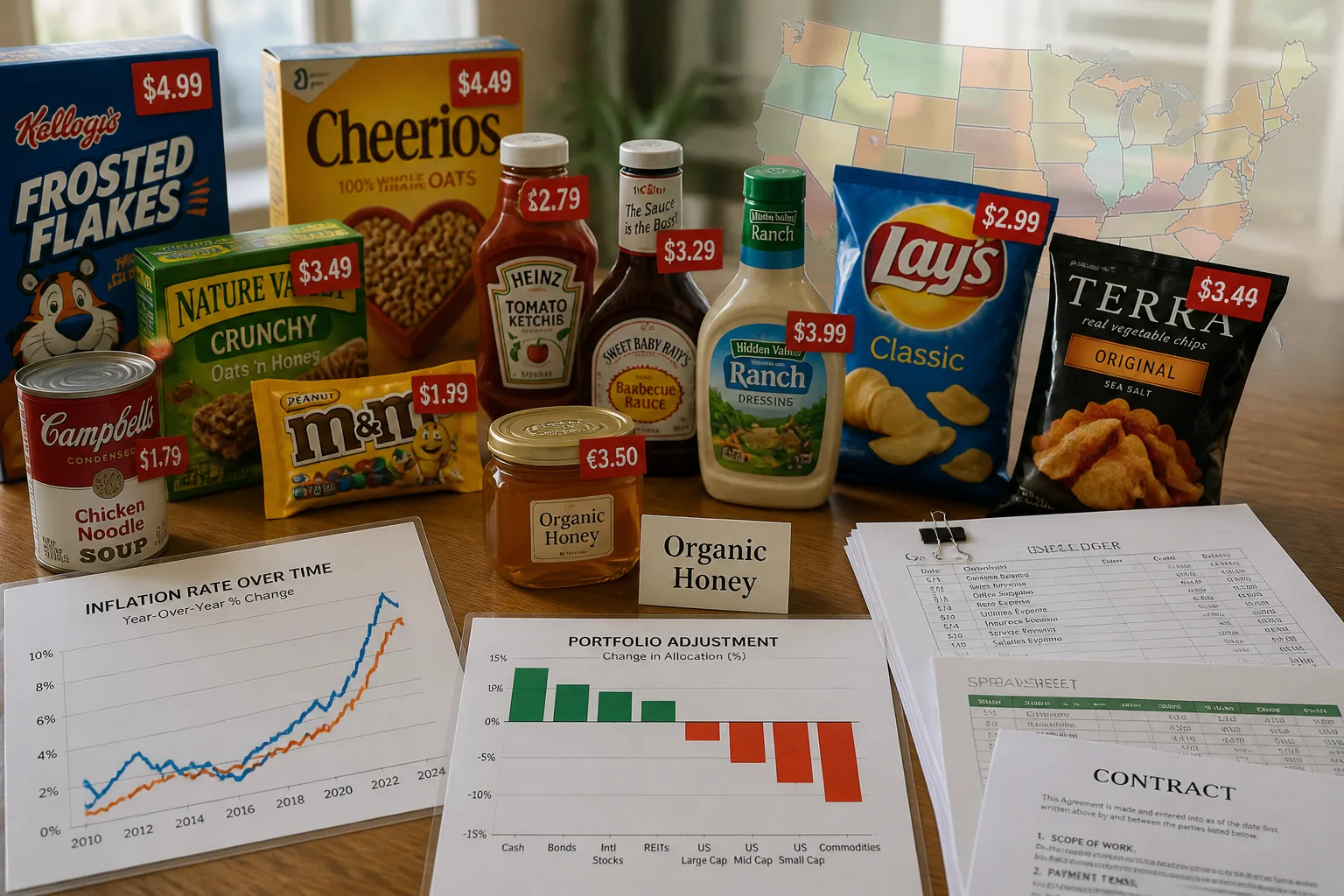
Navratil explained that every Nestlé supplier has reported a cost rise, and the company must absorb or pass on those costs. He said the firm is "relentlessly" pursuing efficiency savings, reformulating items and eliminating products that consumers are not ready to pay for. The Middle East, which accounts for about 2‑3 % of Nestlé’s roughly 90 billion Swiss‑franc ($111 billion) sales, has not directly hurt sales, but the inflationary pressure on inputs is significant.
The broader food‑price environment mirrors Nestlé’s concerns. The United Nations Food and Agriculture Organization (FAO) reported that its Food Price Index reached 131.1 points in July, the highest reading since January 2023, up from 130.3 in June. The index tracks monthly changes in a basket of internationally traded food commodities, signalling that global food inflation is tightening.
In line with a tighter focus on core brands, Nestlé recently sold a stake in its bottled‑water business and is exiting its vitamin line. Navratil said the company remains open to acquiring strategically important brands as it reviews its portfolio. "That doesn’t mean that Nestlé is just divesting things. We are also, as always, open to acquire things that are strategically important," he said.
Separately, Navratil addressed the proposed front‑of‑pack warning labels for sugar, salt and fat in India. He said food manufacturers should be involved in the discussions and that Nestlé has already removed thousands of tons of sugar, salt and fat from its products. He argued that labeling must reflect portion sizes and be done the "right way," noting that companies had lobbied against the warnings in August according to documents reviewed by Reuters.
The company’s product‑reformulation efforts are part of a broader industry trend. In 2026, several major brands, including Nestlé, announced plans to eliminate artificial colors and reduce free‑from and reduced‑ingredient lines in favour of full‑recipe overhauls that maintain taste and texture.
Nestlé’s approach reflects a balancing act between managing rising input costs, maintaining consumer price sensitivity, and sustaining its global brand portfolio. While the Middle‑East conflict has not directly hit sales volumes, the ripple effect on energy and freight costs is forcing the company to adjust pricing and product mix.
In the near term, Nestlé will continue to monitor supplier cost developments, implement efficiency measures, and adjust its product line. The company will also engage with Indian regulators on labeling standards, while keeping an eye on global food‑price trends that could influence consumer demand.
The company’s strategy underscores the interconnectedness of geopolitical events, supply‑chain dynamics and consumer pricing in the packaged‑food sector.