OPEC Production Falls in August as Middle-East Conflict and Iran Sanctions Stall Planned Increase
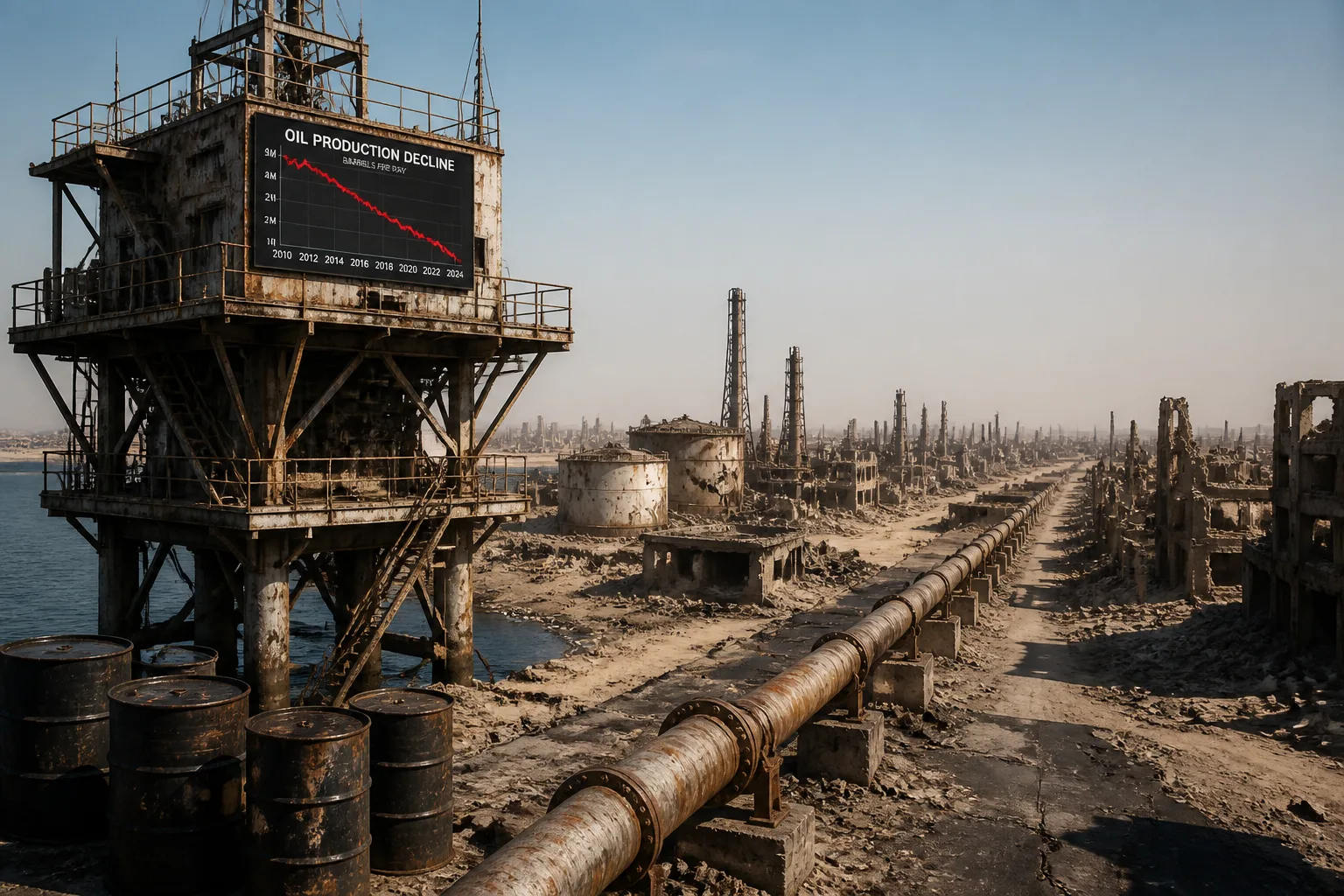
When OPEC released its August production figures, the numbers read like a warning bell. Output slipped to 19.71 million barrels per day (mbpd), a 640,000‑bpd drop from July, underscoring how war and sanctions can choke even the world’s biggest oil producers.
A Reuters survey of OPEC members confirmed the 19.71 mbpd figure. It revealed that seven OPEC+ members – Saudi Arabia, Russia, Iraq, Kuwait, Kazakhstan, Algeria and Oman – had intended to lift output in August. But the escalating security situation in the Middle East and problems with export flows kept them from following through.
OPEC+ had set a production target of 31.01 mbpd for September and October 2026. During its monthly meeting, the alliance’s seven members agreed to keep the October figure unchanged from September, after reviewing capacity amid continued disruptions to exports through the Strait of Hormuz.
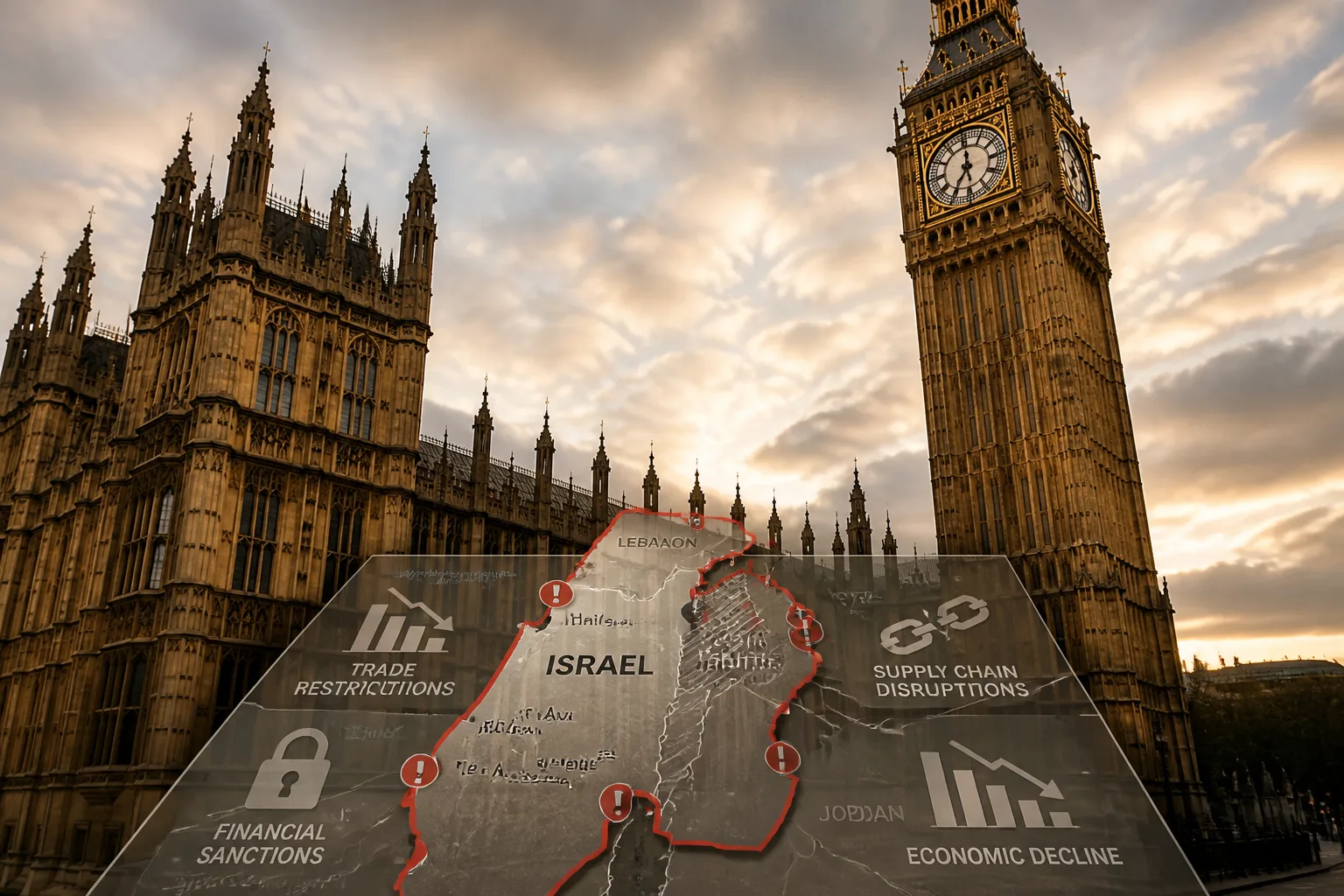
The 2026 Iran war began on 28 February when the United States and Israel launched coordinated strikes against Iranian military and nuclear sites. Iran responded by closing the Strait of Hormuz and launching missile strikes across the region. A ceasefire took effect on 8 April, and a 60‑day framework for ceasefire, sanctions relief and nuclear talks was agreed in Switzerland on 17 June. On 22 June, the U.S. Treasury issued a 60‑day waiver on sanctions on Iranian oil exports as part of the memorandum of understanding.
Despite the waiver, U.S. restrictions on Iranian oil continued to affect supply. The U.S. has maintained sanctions that prohibit Iranian oil from being sold to certain countries, including North Korea, Cuba and parts of occupied Ukraine. The sanctions also prevent the U.S. from buying Iranian oil.
The conflict and sanctions have had a measurable impact on global oil markets. Brent crude prices rose above $100 a barrel for the first time since July, reflecting fears of further supply disruptions. Oil prices fell when Donald Trump’s administration offered a diplomatic approach to Iran, but uncertainty over tanker traffic through the Strait of Hormuz keeps global energy supplies constrained.
Saudi Aramco, the world’s largest oil producer, cut its August official selling price to Asia by $11 per barrel – the largest monthly drop since 2003 – in an effort to recover market share amid regional competition and Strait of Hormuz uncertainty.
The U.S. seizure of the tanker MT Tifani highlighted the challenges of monitoring ship‑to‑ship transfers of Iranian oil. The incident revealed that the EOPL anchorage near Singapore has been used to facilitate such transfers, exposing gaps in maritime oversight.
OPEC’s 11 member countries – Algeria, Equatorial Guinea, Gabon, Iran, Iraq, Kuwait, Libya, Nigeria, the Republic of the Congo, Saudi Arabia and Venezuela – accounted for 38 % of global oil production in 2022. The Middle East alone holds 67.2 % of OPEC’s total reserves.
The August decline marks the end of two consecutive months of recovery seen in June and July. OPEC+ members have reversed their 1.65 mbpd production cuts that were in place from May 2023 to December 2026, but the current instability has limited the ability to implement planned increases.
In summary, OPEC’s August production fell to 19.71 mbpd, a decline driven by export disruptions from Saudi Arabia and U.S. sanctions on Iranian oil. Seven OPEC+ members were unable to increase output as planned, and the alliance has decided to keep the September and October 2026 production target unchanged at 31.01 mbpd.
The situation remains fluid, with the ongoing 2026 Iran war and U.S. sanctions continuing to shape global oil flows. Market participants will monitor OPEC+ meetings and U.S. policy decisions for further guidance on production levels and supply stability.