Venice Film Festival Documentary Exposes Israeli Targeting of Gaza Civilians
When the lights dimmed on the 83rd Venice International Film Festival’s opening night, a new film drew sharp eyes and stony silence: NAZA. Premiering on 10 September 2026, the documentary entered the festival’s main competition—one of 21 contenders for the Golden Lion—under a title that, according to its creators, is a chilling military shorthand for the expected collateral casualties in a strike.
Directed by Israeli journalists Yuval Abraham and Rachel Szor, best‑known for co‑directing the Oscar‑winning No Other Land, NAZA stitches together anonymous testimonies from former Israeli intelligence officers and soldiers who served in the Gaza campaign that erupted after the Hamas attack of 7 October 2023. The film alleges that the Israel Defense Forces (IDF) employed an artificial‑intelligence‑assisted targeting system capable of identifying civilians through data harvested from thousands of hacked mobile phones. One officer explained that a phrase such as “daddy’s home” on a child’s phone could trigger an airstrike.
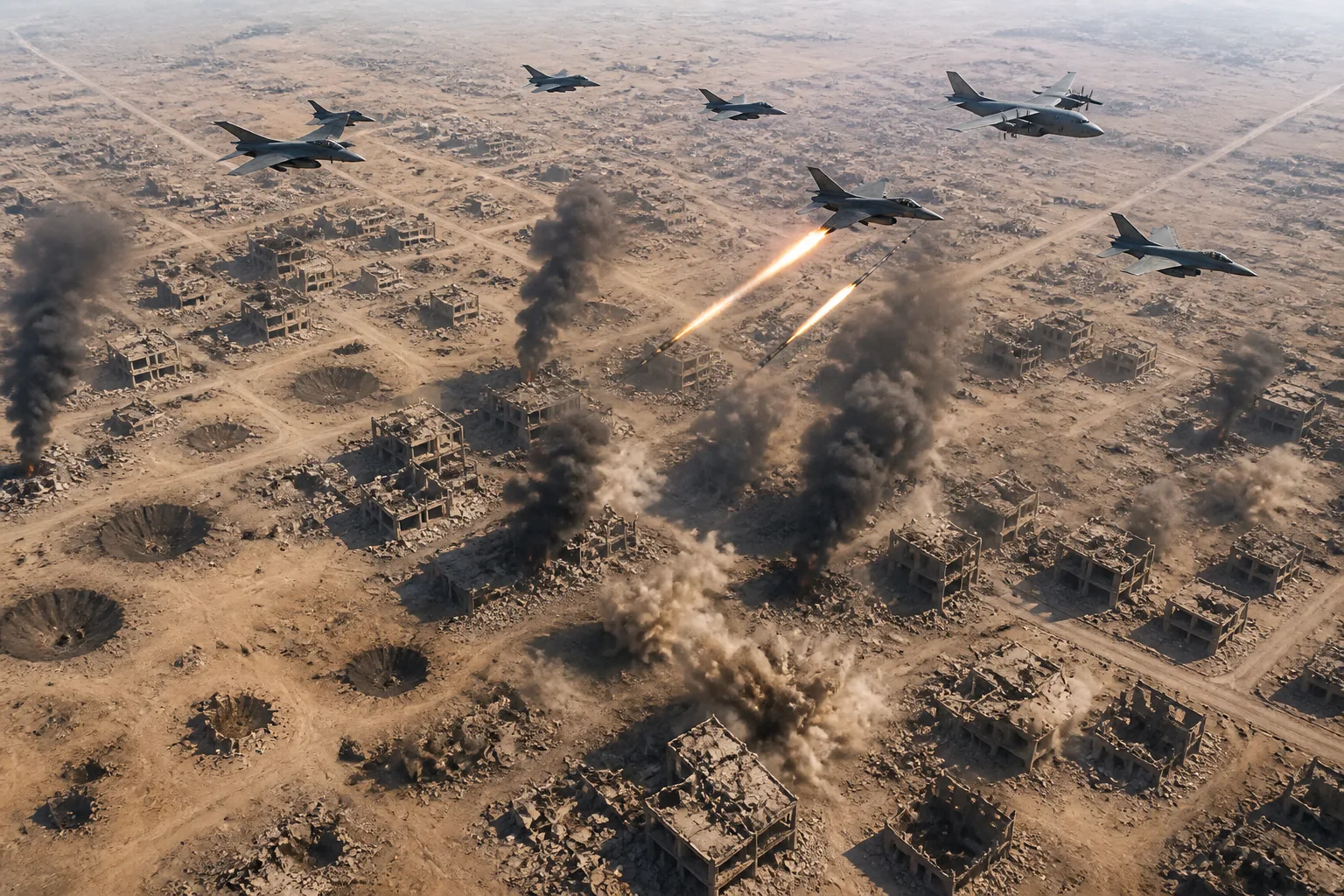
According to the interviewees, the system was not a precautionary tool but a deliberate means of targeting people in civilian spaces—including family homes. The officers described a “mass killing on an industrial scale,” noting that the system could be calibrated to cause up to 500 “NAZA” in a single strike. Entire villages or neighbourhoods, they warned, could be annihilated under this regime.
Beyond the targeting technology, NAZA claims that Israeli‑designated no‑go zones were strategically placed near aid distribution centres. The officers said that the locations of these zones were withheld from residents, forcing communities to discover them “with blood.” The United Nations reported that more than 400 Palestinians were killed while seeking aid in 2023, a figure that Israel acknowledged but defended by stating it had amended its rules of engagement.
The documentary also turns a mirror toward the psychological toll of the war. Several interviewees compared the de‑humanisation they witnessed to lessons drawn from the Holocaust, noting that the memory of that genocide is sometimes invoked to justify actions in Gaza. Abraham said that the film’s title, NAZA, is a euphemism used by the Israeli military to quantify expected civilian deaths.
The production team filmed the interviews on rooftops in Tel Aviv at night, interspersed with brief shots of Gaza’s destruction at the end. The directors said they wanted to highlight the stark contrast between daily life in Israel’s commercial capital and the devastation occurring roughly 60 km away.
NAZA also touches on broader Israeli public opinion. According to the interviewees, many Israelis feel no empathy for Palestinian civilians, and a significant portion of the officers interviewed identify as left‑wing. Abraham expressed doubt that Israel would bring anyone to justice for the civilian deaths without outside pressure, adding that accountability would depend on the political will of the United States and the European Union.
The Israel Defense Forces did not respond to a Reuters request for comment on the documentary. The film’s release at Venice coincides with the festival’s focus on political and humanitarian issues, and it has already sparked discussion among festival attendees and international observers.
The film’s premiere was announced on 24 August 2026, when the festival’s selection committee added NAZA to the main competition. The documentary will be screened again on Saturday, 12 September, as part of the festival’s final program.
In summary, NAZA presents testimony that Israeli military operations in Gaza were planned with civilian casualties in mind, using AI‑driven targeting and undisclosed no‑go zones. If verified, the film’s claims would raise serious questions about compliance with international humanitarian law and the conduct of the Israeli military during the Gaza conflict.