Iraq on the Eve of 9/11: Sanctions, Struggle, and a Boys Unseen World
On the morning that would reshape global politics, a 12‑year‑old boy named Hassan kicked a battered soccer ball in the courtyard of his family home in Baghdad. It was a quiet school‑year break, and the streets were teeming with children clutching the last of their parents’ food and medicine supplies. Unbeknownst to them, the United States was on the brink of launching a war that would forever alter Iraq’s trajectory.
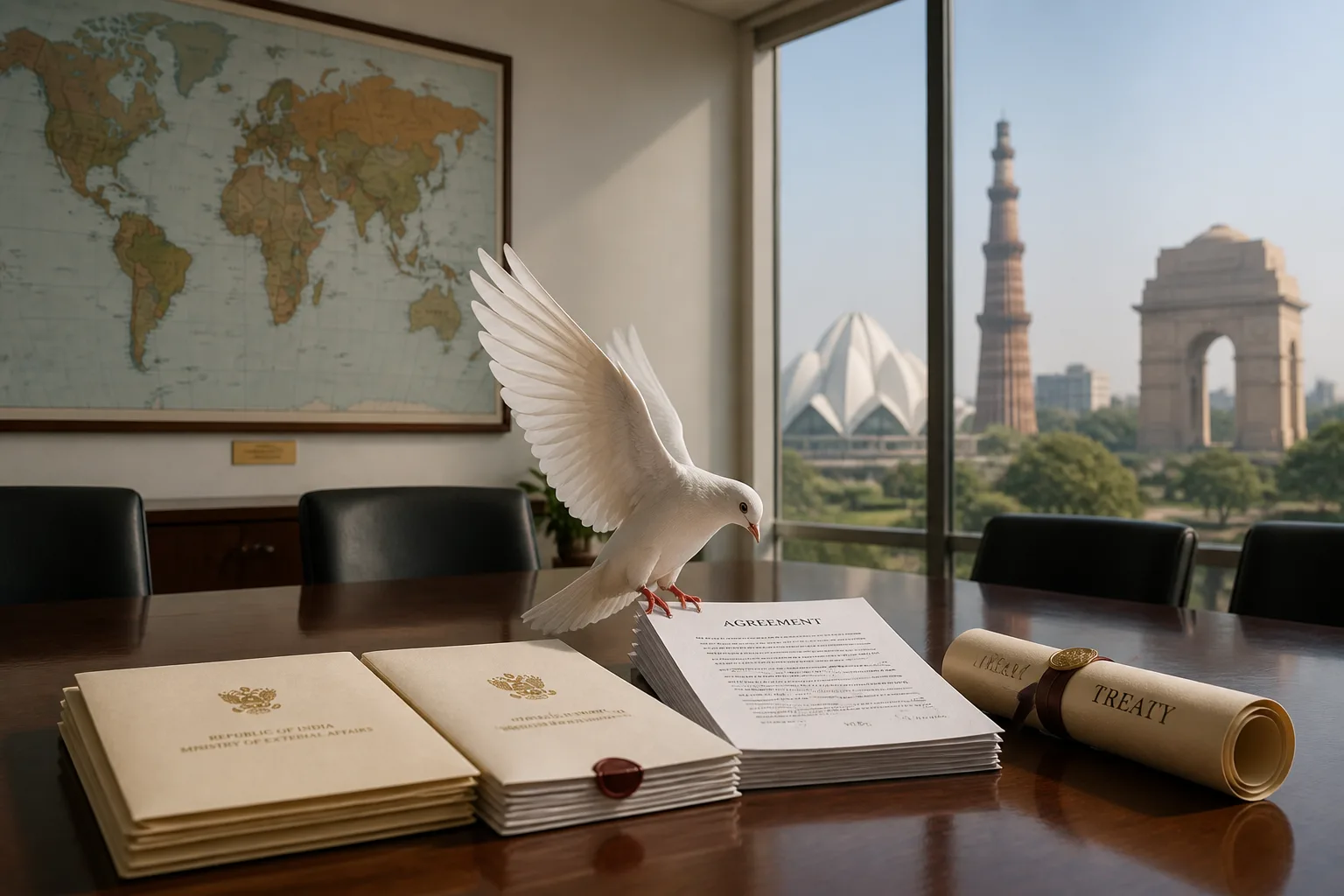
Hassan’s world was already shadowed by United Nations sanctions that had been in force since August 1990, when Iraq invaded Kuwait. Security Council Resolution 661 had cut off all trade with Iraq and Kuwait, sparing only medicine and food under humanitarian provisions. The embargo was designed to force Iraq’s withdrawal, secure reparations, and eliminate its weapons of mass destruction.
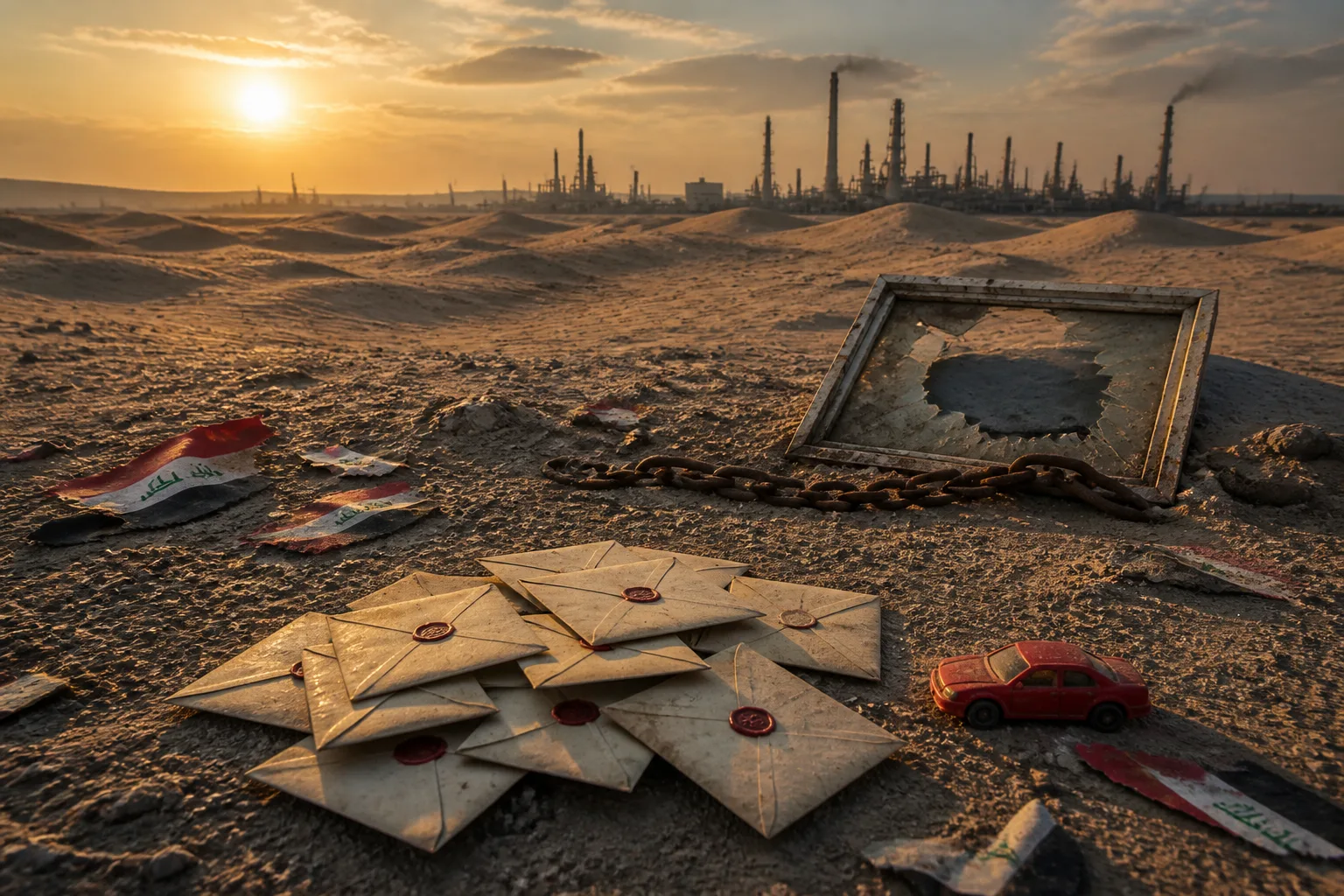
The consequences of those sanctions were felt in every street corner. UN reports, Iraqi government data, and independent surveys consistently highlighted shortages of medical supplies, clean water, and electricity. Per‑capita income fell sharply, malnutrition rose, and the education system teetered on collapse. While some studies claimed child mortality had doubled, later surveys by the Iraqi government and UNICEF recorded a rate of about 40 per 1,000 children between 1995 and 2000, underscoring a more nuanced reality.
In 1996 the UN introduced the Oil‑for‑Food Programme (OFFP) to ease humanitarian suffering. Iraq could export limited oil, with proceeds held in escrow and most purchases approved by the Iraq Sanctions Committee. Though the program provided some relief, it also allowed the regime to generate hard currency for illicit transactions, and neighboring countries frequently ignored the sanctions, limiting its effectiveness.
By 2001 the sanctions regime remained largely unchanged. Iraq’s economy was still stifled, and its people endured frequent power outages and shortages of basic goods. The U.S. Office of Foreign Assets Control maintained comprehensive sanctions, reinforcing the UN embargo.
When the 9/11 attacks unfolded, Hassan’s family was forced to return home early. Television anchors described the collapse of the World Trade Center towers, the chaos in New York, and the swift U.S. military response. For a boy who had never seen a city beyond Baghdad’s borders, images of smoke and destruction were alien.
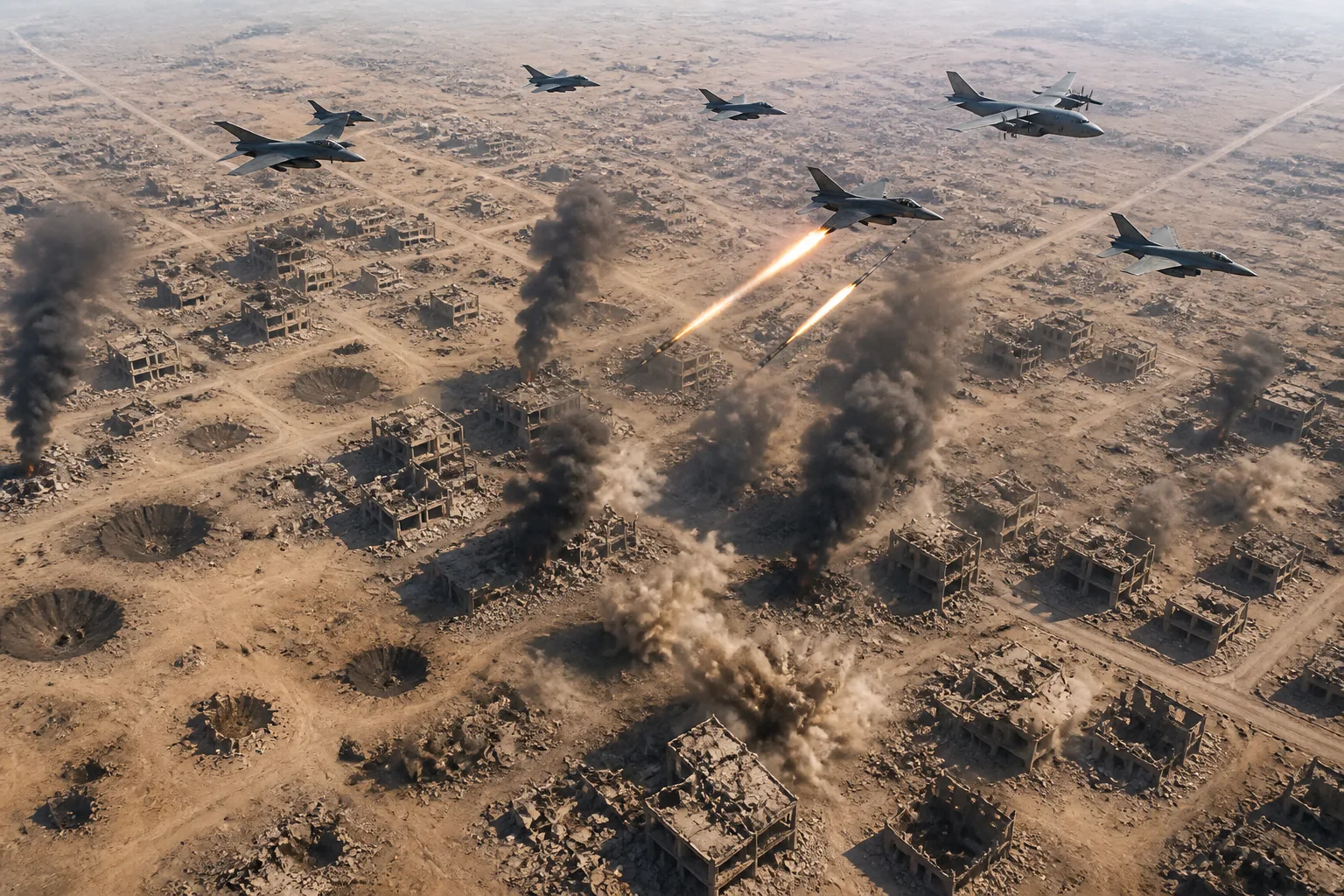
The Bush administration, already citing Iraq’s alleged weapons of mass destruction, leveraged the 9/11 attacks to justify a broader campaign against Iraq. The narrative that Iraq possessed WMDs and had ties to terrorism was later proven unsupported by evidence. Nevertheless, the sanctions that had already crippled Iraq’s economy were tightened, and in March 2003 a U.S.-led coalition invaded the country.
Hassan’s experience that day illustrates how global events can ripple through local lives. While the world watched towers fall, a boy in Baghdad lived under a regime that had imposed severe economic restrictions on his country for over a decade. The sanctions, intended as a diplomatic tool, had become a daily reality for families like Hassan’s.
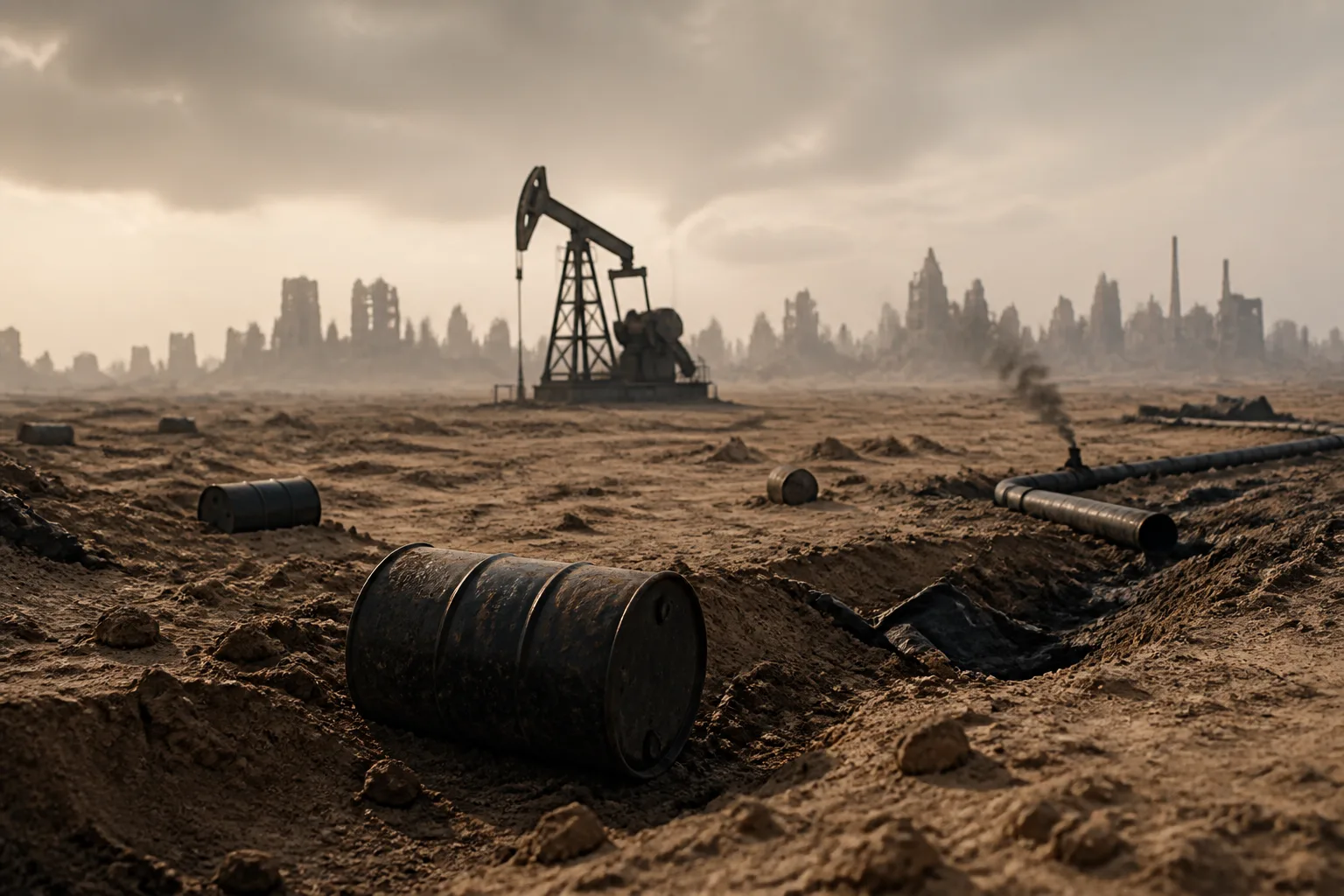
Today, Iraq continues to rebuild its economy and infrastructure. The legacy of the sanctions era remains visible in ongoing challenges with food security, healthcare, and energy supply. The international community, including the United Nations, keeps a close eye on Iraq’s compliance with disarmament and reconstruction agreements.
The events of September 11, 2001, therefore marked a turning point in U.S. foreign policy and intersected with a prolonged period of hardship for Iraq’s citizens—a fact that remains essential to understanding the region’s contemporary dynamics.