Trump Administration Unleashes Operation Economic Outcast to Isolate Iran Amid Ongoing War
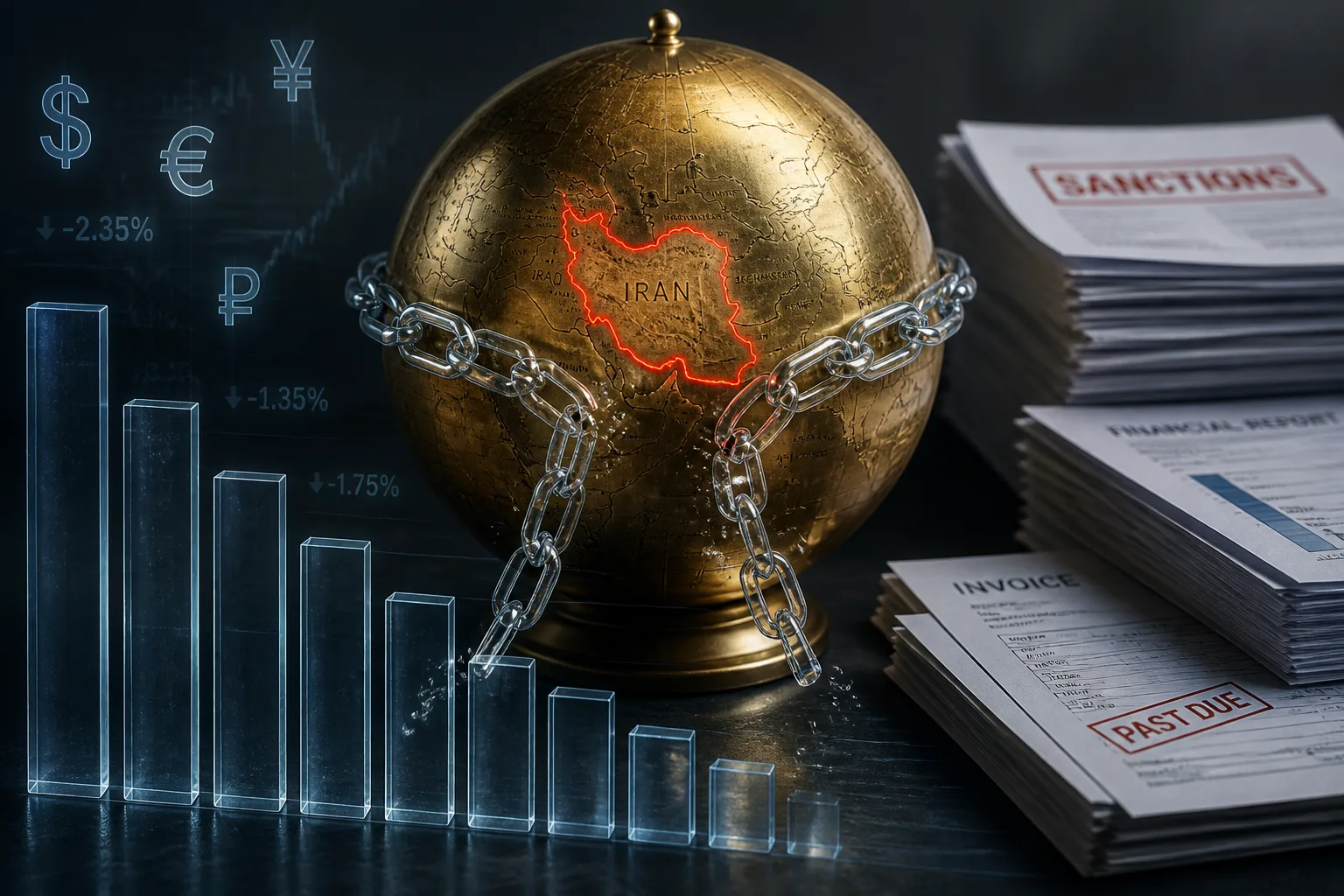
The United States, under President Donald Trump, announced on 24 August 2026 the launch of Operation Economic Outcast, a comprehensive secondary‑sanctions campaign aimed at isolating the Islamic Republic of Iran. The Treasury Department, led by Secretary Scott Bessent, described the measures as the “single greatest financial offensive ever marshalled against an adversary.” The operation targets Iranian oil, finance, and shipping networks, and extends sanctions to foreign entities that facilitate Iranian trade.
Operation Economic Outcast follows a shift in U.S. strategy from kinetic military strikes to maximum economic pressure. The change came as the 2026 Iran war, which began on 28 February 2026 with U.S.–Israeli airstrikes that killed Supreme Leader Ali Khamenei, entered a phase of intensified sanctions and diplomatic negotiations. The war has already disrupted global oil supplies, increased natural‑gas volatility, and strained regional security.
According to the Treasury’s press release, the new sanctions impose secondary penalties on any non‑U.S. entity that processes Iranian oil, provides financial services to Iranian banks, or participates in Iranian shipping. The measures specifically target banks in the United Arab Emirates, Saudi Arabia, and other Gulf states, as well as Chinese refineries and shipping companies that have historically handled Iranian crude.
U.S. officials warned that the sanctions would force a choice for foreign firms: comply with U.S. rules or forfeit access to the U.S. dollar system. The Treasury noted that entities already under primary sanctions would face amplified penalties, while those previously outside the scope of U.S. sanctions would now be exposed to secondary sanctions.
Chinese countermeasures have already begun. According to reports from the Chinese Ministry of Commerce, Beijing has increased support for Iranian oil exports through state‑owned shipping lines and has urged Chinese banks to maintain relationships with Iranian financial institutions. Analysts say that China’s involvement could mitigate some of the economic impact on Iran but may also raise tensions with Washington.
The operation also targets the UAE’s Banque Misr and other financial intermediaries that have historically facilitated Iranian transactions. Treasury officials said that the sanctions would “force a reevaluation of the risk profile” for firms that continue to do business with Iran.
In the broader context, the U.S. has pursued a “maximum pressure” campaign since 2018, which included over 1,500 sanctions on Iranian oil, finance, and shipping sectors. The 2026 war intensified the need for new tools, as Iran had begun to expand its oil output in response to earlier sanctions.
The U.S. Treasury’s strategy is part of a larger effort to prevent Iran from acquiring nuclear weapons. The International Atomic Energy Agency reported in May 2026 that Iran had amassed a record amount of military‑grade enriched uranium. The sanctions aim to curtail Iran’s ability to finance nuclear development.
The operation also reflects a shift in U.S. policy toward a more comprehensive economic warfare approach. Treasury Secretary Bessent said that the sanctions would “cut off every remaining economic lifeline sustaining the Islamic Republic.” The statement underscores the administration’s belief that economic isolation can achieve strategic objectives without further military escalation.
The impact on global markets has already been felt. Oil prices rose by 3 % in the week following the announcement, and several shipping companies reported disruptions in their routes through the Strait of Hormuz. The U.S. Department of Commerce has warned that U.S. firms may face penalties if they do not comply with the new sanctions.
The operation also signals to Iran that the U.S. is willing to use financial tools as a primary weapon. Iranian officials have repeatedly denied that sanctions are the main cause of their economic difficulties, but the Treasury’s announcement suggests that Washington is prepared to intensify pressure until Iran concedes to U.S. demands.
The U.S. and Iran have been in a state of intermittent conflict since the 2026 war began. While a memorandum of understanding signed in June 2026 temporarily halted hostilities, the ceasefire collapsed in July after Iran launched attacks on commercial vessels in the Strait of Hormuz. The new sanctions are therefore part of a broader strategy to prevent a recurrence of large‑scale military engagement.
The Operation Economic Outcast represents a significant escalation in U.S. economic policy toward Iran. Its success will depend on the cooperation of global financial institutions and the ability of the U.S. to enforce secondary sanctions against a wide range of foreign entities.
The operation is expected to reshape the economic landscape of the Middle East, potentially altering trade patterns, shipping routes, and the balance of power among regional actors. The U.S. Treasury will monitor compliance and adjust the sanctions list as the situation evolves.
The next steps involve enforcement of the sanctions, monitoring of compliance by foreign banks, and continued diplomatic efforts to negotiate a lasting resolution to the Iran war. The U.S. government has indicated that the sanctions will remain in place until Iran meets specific conditions related to its nuclear program and regional behavior.