U.S. Coast Guard Shifts Patrol Forces Southwest Asia to Western Pacific, Expanding Indo-Pacific Presence
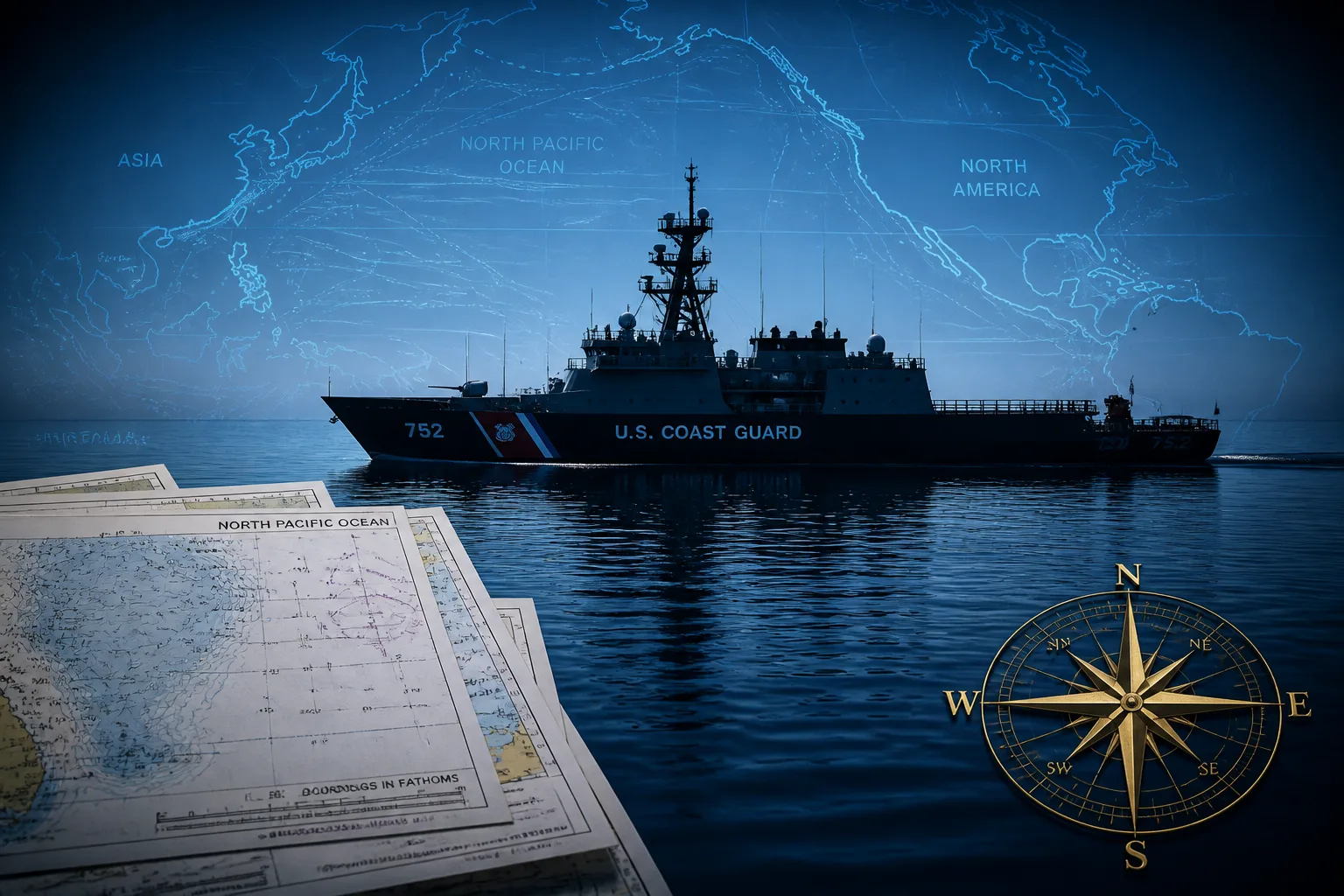
After more than 20 years of forward‑deployed patrols in the Persian Gulf, the U.S. Coast Guard announced Wednesday that its Patrol Forces Southwest Asia (PATFORSWA) will relocate from Bahrain to the Western Pacific.
The six‑ship squadron – Sentinel‑class cutters USCGC Charles Moulthrope, USCGC Robert Goldman, USCGC Glen Harris, USCGC Emlen Tunnell, USCGC John Scheuerman and USCGC Clarence Sutphin Jr. – will now home at Guam and other Pacific islands. The move, the Coast Guard said, reflects a shift in national security priorities following the announced withdrawal of U.S. troops from Iraq by September.
During its time in the Persian Gulf, PATFORSWA protected Iraqi oil terminals and conducted maritime security operations. According to a Coast Guard news release, the cutters will continue similar missions from the Indo‑Pacific, working closely with U.S. combatant commands.
The cutters were last sighted in Singapore in late March and have already begun integrating with U.S. forces. In late June, Charles Moulthrope and Emlen Tunnell joined a Maritime Cooperative Activity (MCA) with the Armed Forces of the Philippines in the Philippine Exclusive Economic Zone. The exercise, held on 27–28 June, included search‑and‑rescue drills, maritime domain awareness, and tactical coordination with Philippine Coast Guard vessels BRP Melchora Aquino, BRP Capones, and the Philippine Navy frigate BRP Antonio Luna.
Following the MCA, the two cutters sailed to Sattahip, Thailand, for the 32nd CARAT Thailand exercise that began on 6 July. The deployment featured a P‑8A Poseidon maritime patrol aircraft from VP‑26, U.S. Marines from the Fleet Anti‑Terrorism Security Team Pacific, and Royal Thai Navy frigates HTMS Taksin and HTMS Saiburi, as well as the Royal Canadian Navy’s Advanced Naval Capabilities Unit. The at‑sea phase focused on anti‑submarine warfare, air defense, surface action group coordination, mine countermeasures, and search‑and‑rescue training.
Robert Goldman and John Scheuerman arrived in Puerto Princesa, Palawan, for a port visit, according to a Pentagon imagery release; the current locations of Glen Harris and Clarence Sutphin Jr. remain unknown.
The Guam‑based cutters – USCGC Myrtle Hazard, USCGC Oliver Henry and USCGC Frederick Hatch – will be joined by the newly commissioned USCGC Vincent Danz and the forthcoming USCGC Jeffrey Palazzo. These vessels focus on securing U.S. islands in the western Pacific and supporting maritime enforcement for South Pacific nations that lack sufficient naval assets.
By bringing PATFORSWA to the Indo‑Pacific, the Coast Guard will be able to conduct more engagements in the region. Historically, only one or two National Security Cutters were deployed to the western Pacific each year; the new arrangement aligns the Service’s maritime security mission with U.S. combatant commands such as the U.S. 7th Fleet.
PATFORSWA was established in 2002 as a contingency operation to support U.S. Navy patrol boats and became a permanent duty station in 2004. Its mission has included training, equipping, deploying and supporting Coast Guard forces in support of CENTCOM and national security objectives. The transition to the Western Pacific reflects a shift in U.S. strategic priorities following the drawdown of forces in Iraq and the evolving security environment in the Indo‑Pacific.
The Coast Guard’s statement emphasized that the expeditionary cutter squadron enhances the Service’s ability to deploy forces in support of combatant commanders and national security objectives. The cutters will continue to conduct maritime security operations and cooperative maritime activities from their new bases, thereby strengthening interoperability and strategic partnerships across the region.
In short, the U.S. Coast Guard’s relocation of PATFORSWA from Bahrain to the Western Pacific ends a two‑decade presence in the Middle East and marks a new focus on maritime security and cooperation in the Indo‑Pacific. The six Sentinel‑class cutters will operate from Guam and the Pacific Islands, integrating with U.S. combatant commands and regional partners to conduct exercises and maritime activities that support U.S. national security objectives.